
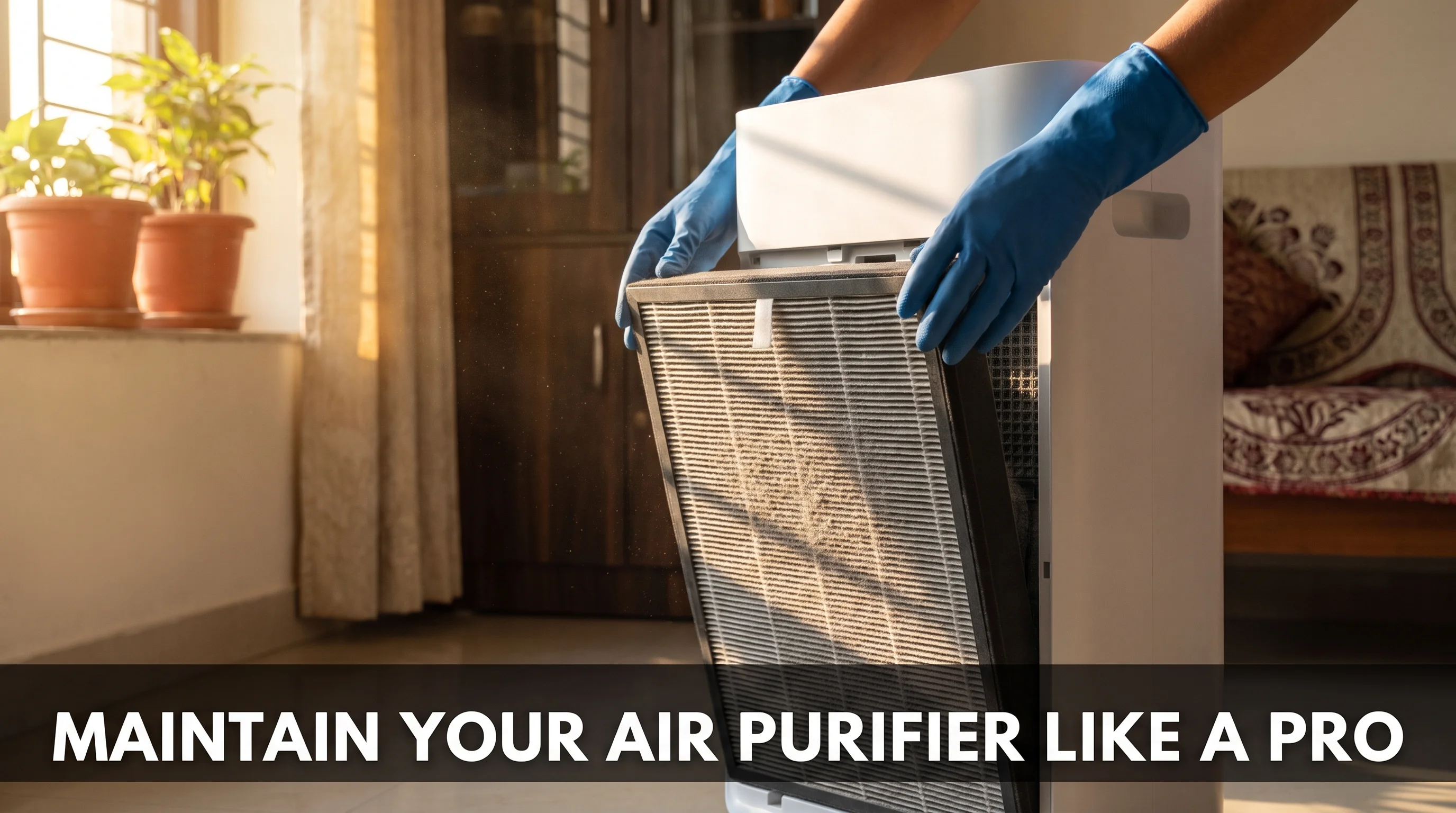
Air Purifier Maintenance Tips for Better Air Quality
Walking into your home after a long day should feel like breathing in fresh mountain air, but that only happens when your air purifier is working at its best. Many Indian households invest thousands of rupees in quality air purification systems, yet fail to maintain them properly. The result? Reduced efficiency, higher electricity bills, and air quality that is barely better than outdoor pollution levels. Regular air purifier maintenance is not just about keeping your device running; it is about protecting your family's health and ensuring every breath they take indoors is genuinely clean.
Indoor air quality has become a pressing concern across Indian cities, with pollution levels in Delhi, Mumbai, Bengalpur, and other metros frequently crossing hazardous thresholds. Your air purifier works tirelessly to filter out dust, allergens, bacteria, and harmful particles, but this constant battle takes a toll on the device. Without proper air purifier care, filters get clogged, motors strain, and the very machine meant to protect you becomes ineffective. Think of it like maintaining a car—regular servicing ensures optimal performance and longevity.
The good news is that maintaining your air purifier does not require technical expertise or expensive professional help for routine tasks. Simple habits like cleaning exterior surfaces, checking filters, and monitoring performance indicators can significantly extend your device's lifespan while maintaining superior air quality. However, knowing when to call an air purifier technician for deeper issues is equally important. This balance between DIY care and professional intervention keeps your investment protected and your indoor environment healthy.
Understanding the seasonal variations in Indian climate also plays a crucial role in air purifier maintenance. During Diwali, when firecracker smoke infiltrates homes, or in summer months when dust storms are common, your purifier works overtime. These peak usage periods demand more frequent maintenance checks. Similarly, homes with pets, smokers, or family members with respiratory conditions need enhanced attention to filter replacement schedules and overall device hygiene.
This comprehensive guide will walk you through essential indoor air quality tips focusing specifically on proper maintenance routines. Whether you own a HEPA filter unit, activated carbon purifier, or ionizer, these practices will help you maximize performance, reduce operating costs, and ensure your family breathes the cleanest possible air. From daily quick checks to monthly deep cleans, from understanding filter lifecycles to recognizing when professional air purifier service is necessary, we will cover everything you need to know for optimal air purifier care.
Understanding Your Air Purifier Components
Before diving into maintenance routines, understanding what makes your air purifier function is essential. Most modern air purifiers sold in India contain multiple filtration stages working in harmony. The pre-filter catches large particles like hair and visible dust, acting as the first line of defense. This washable mesh layer protects the more delicate filters behind it and typically needs cleaning every two weeks depending on your environment.
The HEPA filter is the heart of most air purification systems, capable of trapping 99.97 percent of particles as small as 0.3 microns. This includes pollen, mold spores, dust mites, and fine particulate matter that causes respiratory issues. HEPA filters are not washable and require complete replacement every six to twelve months based on usage intensity and air quality levels in your area. Ignoring timely HEPA filter replacement drastically reduces your purifier's effectiveness.
Activated carbon filters target odors, gases, and volatile organic compounds that HEPA filters cannot capture. These are particularly important in Indian homes where cooking odors from spices and oil can permeate living spaces. Carbon filters typically last three to six months and lose effectiveness gradually rather than suddenly, making regular replacement schedules crucial for maintaining fresh-smelling indoor air.
Some advanced models include UV-C lights for killing bacteria and viruses, ionizers that charge particles for easier capture, or photocatalytic oxidation layers. Each component has specific maintenance needs. UV lamps lose intensity over time and need annual replacement even if still glowing. Ionizer plates accumulate residue and require monthly wiping. Knowing your specific model's technology helps you create a targeted air purifier maintenance plan.
The fan and motor assembly circulates air through these filtration stages. Over months of operation, dust can settle on fan blades and motor housing, reducing airflow efficiency. This is why even with new filters, a poorly maintained purifier might seem to underperform. Regular exterior cleaning and periodic professional servicing keep these mechanical components functioning smoothly, ensuring maximum air circulation and purification capacity.
Daily and Weekly Maintenance Routines
Establishing simple daily habits forms the foundation of effective air purifier care. Each morning or evening, take thirty seconds to check your purifier's indicator lights. Most modern units have filter replacement alerts, air quality sensors, and operational status displays. These visual cues provide early warnings about potential issues before they become serious problems. A blinking filter light ignored for weeks can mean breathing compromised air without realizing it.
Keep the area around your air purifier clear of obstructions. Furniture, curtains, or storage boxes placed too close restrict airflow, forcing the device to work harder while delivering less purification. Maintain at least one to two feet of clearance on all sides, particularly around air intake vents. This simple spacing ensures optimal circulation and prevents the motor from straining, which extends the device's operational life significantly.
Weekly exterior cleaning prevents dust buildup on the purifier's surface and vents. Use a soft, dry microfiber cloth to wipe down the outer casing, paying special attention to air intake and outlet grilles where dust accumulates fastest. For stubborn grime, slightly dampen the cloth with water—never spray water directly on the unit as moisture can damage electronic components. This five-minute weekly routine keeps your purifier looking new while preventing surface dust from recirculating.
Check the pre-filter weekly, especially during high-pollution seasons or if you have pets. Most pre-filters are washable and reusable. Remove it according to your model's instructions, vacuum off loose dust using a brush attachment, then rinse under running water if very dirty. Allow it to dry completely before reinstalling—placing a wet filter back creates the perfect environment for mold growth, which defeats the entire purpose of air purification.
Monitor your purifier's performance by observing the time it takes to clean the air after cooking or when you return home. If rooms that once felt fresh within thirty minutes now take an hour, this indicates declining filter efficiency or airflow restrictions. Early detection through these informal observations allows you to address issues before they require emergency Air purifier repair service, saving both money and your family's health.
Monthly Deep Cleaning and Filter Maintenance
Monthly deep cleaning sessions ensure components beyond daily reach remain in optimal condition. Start by unplugging the device completely—safety always comes first when performing any maintenance. Remove all accessible filters according to the manufacturer's instructions. Some models have tool-free filter access panels while others require screwdriver operation. Keep your user manual handy or download the digital version if you have misplaced the physical copy.
Vacuum the interior chamber where filters sit using a brush attachment on low suction. Dust and debris often accumulate in corners and crevices that filters do not directly cover. This buildup can restrict airflow and create musty odors over time. A small handheld vacuum or crevice tool works perfectly for reaching tight spaces. Be gentle around sensor windows and electronic components—these delicate parts require care during cleaning.
Inspect each filter carefully under good lighting. HEPA filters showing visible dirt accumulation, tears, or deformation need immediate replacement regardless of the time since last change. A compromised HEPA filter allows unfiltered air to bypass the filtration system entirely. Activated carbon filters that emit odors when sniffed closely have reached saturation and cannot absorb more pollutants. These tactile and olfactory checks provide insights beyond simple timer-based replacement schedules.
Clean the air quality sensors if your model includes them. These tiny windows detect particle levels to adjust fan speed automatically. Dust covering sensors causes false readings, making the purifier run on low speed even when air quality is poor. Use a cotton swab barely moistened with water to gently clean sensor surfaces. This simple action restores accurate automatic operation, improving both performance and energy efficiency.
Wipe down the fan blades if your model allows access without voiding warranty. Fan blade dust creates imbalance, leading to unusual noises and reduced efficiency. A soft brush or cloth removes this buildup. For models with sealed fan assemblies, this becomes a task for annual professional air purifier maintenance by a qualified air purifier technician who has the tools and expertise to safely access and clean internal mechanical components.
Understanding Filter Replacement Schedules
Filter replacement represents the most critical aspect of air purifier care, yet confusion around timing leads many users to either replace too early, wasting money, or too late, compromising air quality. Most manufacturers provide estimated lifespans like six months or twelve months, but these are baseline figures assuming average conditions. Indian households face variables that significantly affect these timelines.
Air quality in your specific location dramatically impacts filter life. Living near a construction site, major road, or industrial area means your purifier processes far more pollutants than one in a residential suburb. Homes in Delhi during winter months or any city during Diwali season experience extreme pollution spikes. During such periods, filters may need replacement at half the normal interval. Monitor your purifier's filter indicator rather than blindly following calendar dates.
Usage hours matter more than calendar time. A purifier running twenty-four hours daily exhausts filters faster than one operating only during sleep hours. Some advanced models have hour counters showing actual runtime. If your device lacks this feature, estimate based on your usage pattern. A filter rated for six months at eight hours daily use will need replacement in three months if run continuously. Calculate replacement needs based on actual exposure rather than purchase date.
Room size and purifier capacity matching affects longevity. An underpowered purifier in a large room runs at maximum speed constantly, processing more air volume than intended. This overwork shortens filter life significantly. Conversely, an oversized purifier in a small room cycles less frequently, extending filter duration. Understanding this relationship helps set realistic replacement expectations and budget accordingly.
Budget-conscious families can extend filter life safely through proper pre-filter maintenance. Since pre-filters are washable and protect main filters, keeping them scrupulously clean prevents premature HEPA and carbon filter clogging. However, never attempt to wash or vacuum HEPA filters despite what some online videos suggest. This damages the delicate fiber structure, creating gaps that allow pollutants through while giving false reassurance of continued protection.
| Filter Type | Average Lifespan in Normal Conditions | High Pollution Areas | Washable/Replaceable |
|---|---|---|---|
| Pre-filter | 6-12 months | Clean every 2 weeks | Washable |
| HEPA Filter | 6-12 months | 4-8 months | Replaceable only |
| Activated Carbon | 3-6 months | 2-4 months | Replaceable only |
| UV-C Lamp | 12 months | 12 months | Replaceable |
| Ionizer Plate | Permanent | Clean monthly | Cleanable |
Troubleshooting Common Air Purifier Issues
Even with diligent maintenance, air purifiers occasionally exhibit issues that concern users. Recognizing which problems you can solve independently versus those requiring professional Air Purifier repair saves time and prevents potentially costly mistakes. Unusual noises like rattling or grinding often indicate loose components or foreign objects inside the unit. Before calling for air purifier service, power off the device and check for loose panels, unsecured filters, or items that might have fallen into vents.
Reduced airflow despite new filters suggests mechanical issues or sensor malfunctions. First, verify all filters are installed correctly—reversed filters restrict airflow dramatically. Check that protective plastic wrap was removed from new filters, as forgetting this common step completely blocks air passage. If filters are correctly installed and unwrapped, the fan motor might be struggling due to dust accumulation or mechanical wear, warranting professional inspection.
Persistent odors despite activated carbon filter replacement can stem from mold growth inside the unit. This happens when pre-filters are reinstalled damp or if the purifier operates in very humid conditions without adequate ventilation. Run the unit on maximum speed in a well-ventilated area for several hours to dry out internal moisture. If odors persist, a thorough professional cleaning may be necessary to eliminate mold colonies from inaccessible areas.
Error codes or blinking indicator patterns indicate specific issues that your user manual decodes. These built-in diagnostics help identify problems ranging from simple filter seating issues to more complex electronic malfunctions. Never ignore persistent error codes hoping they will resolve independently. What starts as a minor sensor issue can escalate to motor damage if the purifier continues operating incorrectly. Consult the manual or contact the manufacturer's customer service for guidance.
Devices that frequently trip circuit breakers or show electrical issues require immediate professional attention. Disconnect the purifier and contact an authorized air purifier technician rather than attempting electrical repairs yourself. Modern air purifiers contain sophisticated electronics that household electricians unfamiliar with these specific devices might inadvertently damage. Authorized service centers have model-specific training and genuine replacement parts ensuring safe, effective repairs.
Seasonal Maintenance Strategies
Indian seasons bring distinct challenges requiring adjusted air purifier maintenance approaches. Summer months with dust storms and high temperatures demand more frequent pre-filter cleaning as fine dust particles infiltrate homes despite closed windows. Increase cleaning frequency from bi-weekly to weekly during peak summer. The intense heat also affects carbon filter efficiency as higher temperatures can release trapped pollutants back into the air, suggesting more frequent carbon filter replacement during extended summer periods.
Monsoon season introduces humidity-related challenges. Excess moisture promotes mold and bacterial growth on filters and inside the purifier chamber. During monsoons, ensure your purifier runs in rooms with adequate ventilation and avoid operating in bathrooms or extremely damp spaces without proper air circulation. Consider supplementing air purifier use with a dehumidifier if you live in coastal cities like Mumbai or Chennai where humidity remains consistently high.
Winter months, particularly October through February in northern India, see the worst air quality of the year. Pollution from crop burning, firecracker celebrations, and increased vehicle emissions during festival season forces purifiers to work at maximum capacity. Plan major filter replacements for early October before the pollution season peaks. Keep spare filters on hand during this period as waiting for deliveries while breathing polluted air defeats the purifier's purpose.
Post-monsoon and pre-winter is the ideal time for comprehensive professional air purifier maintenance. Schedule annual servicing during this transition period, typically September, when service centers are less busy than during peak pollution months. Technicians can thoroughly inspect, clean internal components, replace worn parts, and prepare your purifier for the demanding winter ahead. This proactive approach prevents mid-winter breakdowns when you need the purifier most.
Festival seasons require special attention. Before Diwali, clean all filters and components thoroughly as the smoke and particulate matter from firecrackers will heavily tax your purifier. Consider running the device on maximum setting throughout festival nights and expect to clean or replace filters shortly after. Similar preparation helps before Holi when colored powders can infiltrate homes, or during wedding seasons when incense and cooking create indoor air quality challenges.
Professional Service and When to Seek Help
While routine air purifier care can be handled independently, certain situations demand professional expertise. Annual professional servicing by a trained air purifier technician ensures components beyond user access receive proper attention. These specialists have tools to safely open sealed sections, test electrical components, calibrate sensors, and identify wear patterns that predict future failures. This preventive approach typically costs between 500 to 1500 rupees depending on the model and service center, far less than emergency repairs or premature replacement.
Performance degradation despite new filters and proper maintenance signals internal issues requiring diagnosis. Professional air purifier service includes airflow testing, filter seal inspection, motor performance evaluation, and electronic circuit checks. These comprehensive assessments identify problems like failing motors, degraded components, or manufacturing defects that routine maintenance cannot address.
Regular air purifier maintenance isn't complicated, but it makes all the difference between clean air and wasted investment. Learn more about simple weekly checks like cleaning pre-filters, monthly filter inspections, and knowing when to replace HEPA filters based on your city's AQI levels. Discover how proper placement away from walls, routine sensor cleaning, and understanding your purifier's indicator lights can extend your device's lifespan while ensuring your family breathes truly purified air every single day.