
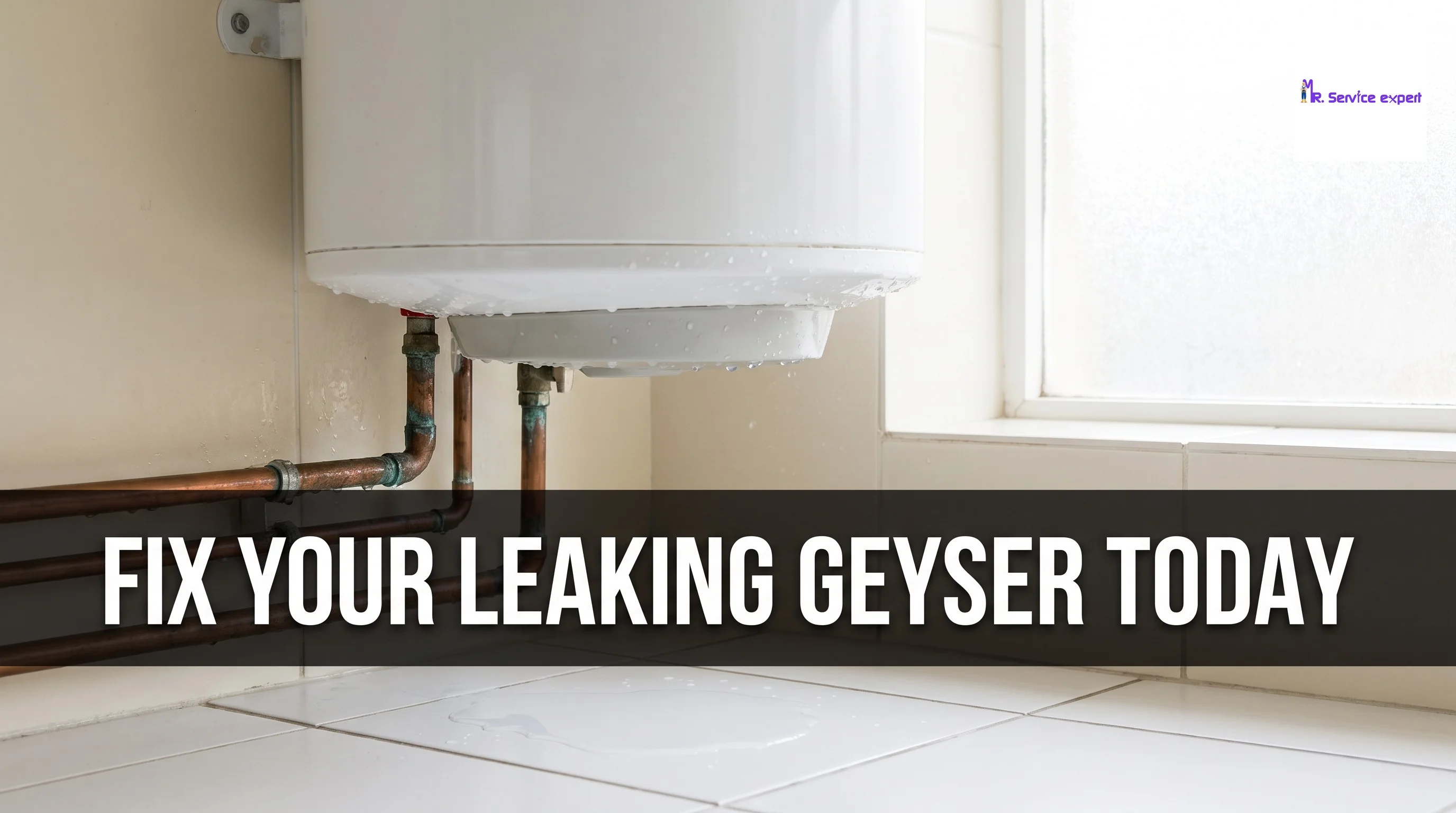
Geyser Leaking Water? Common Causes and Fixes
Nothing disrupts your morning routine quite like discovering a pool of water beneath your geyser. If you have noticed your geyser leaking from the bottom, top, or even from the pipe connections, you are not alone. Geyser leakage is one of the most common problems faced by Indian households, especially during the winter months when these appliances work overtime to provide hot water. Understanding why your geyser leaking issue occurs and knowing how to address it can save you hundreds of rupees in repair costs and prevent potential water damage to your home.
Water heater problems can range from minor drips that seem harmless to major leaks that demand immediate attention. The good news is that many geyser leakage repair tasks can be handled without calling a professional, provided you understand the root cause. However, some situations definitely require expert intervention to avoid safety hazards like electrical shocks or scalding water injuries. In this comprehensive guide, we will walk you through everything you need to know about geyser troubleshooting, from identifying where the leak originates to implementing effective solutions.
Whether you own a storage geyser, instant geyser, or solar water heater, leakage issues can affect any type of unit. The causes vary significantly based on the age of your appliance, water quality in your area, usage patterns, and maintenance history. Hard water, which is prevalent in many Indian cities like Delhi, Pune, and Bangalore, accelerates corrosion and sediment buildup, making leakage problems more common. Regular maintenance becomes even more critical in such regions.
Before you panic and start searching for geyser repair services near you, take a moment to assess the situation. Is the leak constant or intermittent? Is it coming from the tank body, valves, or pipe connections? Does your geyser still heat water properly, or is it showing signs of geyser not heating issues as well? These observations will help you determine whether you need immediate professional assistance or can attempt a DIY fix.
This article covers all aspects of geyser leaking problems, including common causes, step-by-step repair solutions, preventive maintenance tips, and guidance on when to call for professional geyser service. By the end, you will have the knowledge to tackle most water heater leakage issues confidently and keep your geyser functioning efficiently for years to come.
Understanding Where Your Geyser Is Leaking From
The first step in geyser troubleshooting is accurately identifying the leak source. Different leak locations indicate different underlying problems, and knowing this helps you apply the right solution. Geysers can leak from several points, and each requires a specific approach for effective geyser leakage repair.
When examining your geyser leaking situation, check the tank body first. Leaks from the tank itself usually appear as water dripping from the bottom or seeping from the sides. This type of leak often indicates internal corrosion or a failed heating element seal. Tank body leaks are among the most serious issues because they typically mean the inner tank has developed cracks or holes due to rust and corrosion, especially in areas with hard water.
Inlet and outlet pipe connections are another common leak point. These connections can loosen over time due to thermal expansion and contraction, or the rubber washers and seals may deteriorate. If you notice water dripping from where pipes connect to your geyser, this is usually an easier fix compared to tank body leaks. Tightening connections or replacing worn washers often resolves the issue.
The temperature and pressure relief valve, commonly called the TPR valve, is designed to release water when pressure or temperature exceeds safe levels. If this valve leaks, it might be doing its job by preventing dangerous pressure buildup, or the valve itself could be faulty. A TPR valve leak appears as water dripping from the valve body or the discharge pipe connected to it.
Drain valve leakage occurs at the bottom of the geyser where the maintenance drain is located. This valve allows you to empty the tank for cleaning or repairs. If it develops a leak, you will see water pooling directly beneath the geyser. Drain valve issues typically stem from loose connections or worn internal washers.
Finally, check the heating element area if you have an electric storage geyser. The heating element passes through the tank wall with a gasket seal. Over time, this gasket can deteriorate, causing water to seep out around the element. This type of leak requires immediate attention to prevent electrical hazards.
Common Causes Behind Geyser Leaking Problems
Understanding why geyser leaking happens helps prevent future occurrences and guides your repair approach. Several factors contribute to water heater leakage, with some being more common in Indian households than others.
Corrosion and rust formation top the list of causes. The inner tank of most geysers features a glass lining or enamel coating designed to prevent rust. However, this protective layer can crack or chip over time, exposing the metal underneath to water. Indian water, particularly in cities like Jaipur, Lucknow, and Indore, contains high levels of minerals that accelerate corrosion. Once rust starts, it gradually eats through the tank wall, creating pinhole leaks that eventually expand into larger failures.
Excessive water pressure puts tremendous strain on your geyser tank and its components. Municipal water supply pressure in Indian cities can fluctuate significantly, sometimes reaching levels above 80 PSI, which exceeds the safe operating pressure for most residential geysers. High pressure causes seals to fail, joints to loosen, and can even crack the tank. This is why the TPR valve sometimes releases water as it attempts to regulate internal pressure.
Sediment accumulation at the tank bottom is a widespread issue, especially in hard water areas. Minerals like calcium and magnesium precipitate out of heated water and settle at the bottom, forming a thick layer. This sediment layer causes multiple problems: it reduces heating efficiency, makes the geyser work harder, creates hot spots that damage the tank lining, and eventually leads to corrosion and leaks. Many homeowners never flush their geysers, allowing years of sediment to build up.
Worn out or damaged gaskets and seals naturally deteriorate with age and temperature cycling. The rubber or silicone materials used in these components become brittle and lose their flexibility after years of exposure to hot water. When seals fail at pipe connections, heating elements, or flanges, water finds its way out.
Thermal expansion creates pressure inside the tank every time water heats up. In closed plumbing systems without proper expansion tanks, this pressure has nowhere to go, stressing the geyser tank and potentially causing leaks. This phenomenon explains why some geysers only leak when actively heating water.
Manufacturing defects, though less common, do occur. Faulty welds, substandard materials, or improper assembly can lead to premature failures. Budget geyser models sometimes cut corners on quality, resulting in leaks within the first few years. However, even premium brands occasionally have defective units that develop problems despite proper use.
Poor installation practices contribute significantly to leakage issues. Incorrect pipe sizing, over-tightened connections that crack fittings, missing or improper use of thread seal tape, and inadequate support for the geyser weight all create conditions for leaks to develop. Always ensure qualified technicians handle your geyser installation.
Effective Solutions for Geyser Leakage Repair
Once you have identified where and why your geyser leaking problem exists, you can proceed with appropriate repairs. Some fixes are straightforward DIY projects, while others absolutely require professional geyser service to ensure safety and proper repair.
For leaking pipe connections, start by turning off the water supply and power to the geyser. Use an adjustable wrench to carefully tighten the connection where the leak appears. Do not over-tighten, as this can crack fittings or damage threads. If tightening does not stop the leak, shut off the water, drain some water from the tank to relieve pressure, then disconnect the fitting. Clean the threads thoroughly, apply fresh thread seal tape or pipe compound, and reconnect. Replace the connection altogether if threads are damaged or the fitting shows cracks.
TPR valve repairs depend on whether the valve is functioning correctly or has failed. If the valve releases water occasionally but stops, it might be doing its job by relieving excess pressure. Consider installing a thermal expansion tank to prevent pressure buildup. If the valve constantly drips or leaks from the valve body itself, replacement is necessary. TPR valves are safety devices that cost between 300 to 800 rupees and should be replaced rather than repaired. Ensure you install the correct pressure rating for your geyser.
Drain valve leaks often respond to simple tightening. Use a wrench to snug the valve body against the tank. If this fails, you will need to drain the tank completely and replace the drain valve. Replacement drain valves cost around 200 to 500 rupees and are relatively easy to install with basic plumbing skills.
Heating element gasket leaks require more involved repair. After shutting off power and water, and draining the tank, you must remove the heating element. Clean the element pocket thoroughly, replace the gasket with a new one specific to your geyser model, and reinstall the element. Gaskets cost between 100 to 300 rupees. This repair requires careful work to avoid damaging the element or tank threads.
Tank body leaks present the most challenging situation. Small pinhole leaks might seem repairable with epoxy or sealants, but these are temporary fixes at best. The reality is that a leaking tank indicates the unit has reached the end of its serviceable life. Continuing to use a corroded tank risks catastrophic failure, flooding, and potential safety hazards. Replacement becomes the only viable long-term solution. A new geyser costs anywhere from 4,000 rupees for basic 15-liter instant models to 25,000 rupees or more for premium 25-liter storage geysers with advanced features.
When attempting geyser leakage repair, always prioritize safety. Turn off electrical power at the circuit breaker, not just the geyser switch. Ensure the water supply is completely shut off. Allow hot water to cool before working on the unit. If you feel uncomfortable with any repair, especially those involving electrical components, contact professional geyser repair services. The cost of professional repair typically ranges from 500 to 3,000 rupees depending on the issue, which is far less than hospital bills from accidents.
Preventive Maintenance to Avoid Future Leaks
Preventing geyser leaking problems is far easier and more cost-effective than dealing with repairs. Regular maintenance extends your geyser lifespan, improves efficiency, and catches potential issues before they become major failures.
Annual flushing ranks as the single most important maintenance task. This process removes sediment buildup that causes corrosion and inefficiency. To flush your geyser, turn off power and water supply, attach a garden hose to the drain valve, direct the other end to a drain or outdoors, open the drain valve, and let water flow until it runs clear. For heavily sedimented units, you might need to open the inlet valve briefly to stir up settled material. Flush your geyser at least once yearly, or twice annually if you have hard water.
Anode rod inspection and replacement prevents tank corrosion. The sacrificial anode rod, made of magnesium or aluminum, attracts corrosive elements, protecting the tank. Most Indian geyser owners never check this component, yet it typically needs replacement every three to five years. If your geyser does not have an easily accessible anode rod, consider this when purchasing your next unit.
TPR valve testing should happen every six months. Lift the test lever briefly to ensure water flows freely, then release it. If water does not flow or the valve fails to seal after testing, replace it immediately. A malfunctioning TPR valve poses serious safety risks.
Pressure regulation protects your entire plumbing system, not just the geyser. Install a pressure-reducing valve if your home water pressure exceeds 60 PSI. These devices cost between 1,500 to 4,000 rupees installed and prevent numerous plumbing problems beyond just geyser leaking.
Water softener installation makes sense in hard water areas. While representing a significant investment of 10,000 to 40,000 rupees depending on capacity and type, water softeners eliminate the minerals that cause scaling and corrosion. Your geyser, along with all other appliances and plumbing fixtures, will last significantly longer.
Regular visual inspections catch problems early. Every few months, examine your geyser for signs of moisture, rust stains, or corrosion. Check all visible connections for drips. Listen for unusual sounds like hissing or rumbling that indicate sediment buildup or pressure issues. Early detection of geyser not working properly allows for minor repairs rather than major failures.
Professional geyser service every two to three years provides thorough inspection and maintenance beyond what most homeowners can perform. Technicians check electrical components, test thermostats, verify proper grounding, inspect internal conditions via the heating element port, and ensure all safety systems function correctly. This service typically costs 800 to 2,000 rupees but prevents expensive repairs and replacements.
When to Call Professional Help
While many geyser troubleshooting tasks fall within DIY capabilities, certain situations absolutely require professional intervention. Knowing when to call experts prevents safety hazards and ensures quality repairs.
Any geyser leaking from the tank body demands professional assessment. Technicians can definitively determine whether repair is possible or replacement is necessary. They will evaluate the extent of corrosion, check for other hidden damage, and provide honest recommendations based on the unit's age and condition.
Electrical issues accompanying water leaks create dangerous situations. If you notice sparking, tripped circuit breakers, burning smells, or signs of electrical shorts, shut off power immediately and call an electrician familiar with water heaters. Water and electricity combine lethally, making professional help non-negotiable in these scenarios.
Gas geyser leaks require immediate professional attention. If you smell gas, hear hissing from gas lines, or suspect any gas leak, turn off the gas supply, ventilate the area, evacuate if necessary, and call a qualified gas technician. Never attempt DIY repairs on gas systems.
Complex repairs like thermostat replacement, complete heating element and gasket replacement on large units, internal tank component repairs, or control board issues benefit from professional expertise. While these repairs are theoretically DIY-able, the tools required, safety considerations, and technical knowledge make professional service worthwhile. Botched repairs often cost more to fix than hiring experts initially.
Warranty considerations also matter. If your geyser remains under warranty, DIY repairs might void coverage. Check your warranty terms before attempting repairs. Many manufacturers require authorized service centers to perform warranty work, and attempting self-repair gives them grounds to deny claims.
Recurring problems indicate underlying issues beyond simple component failure. If your geyser repeatedly develops leaks despite repairs, water quality problems, installation issues, or systemic plumbing problems might be responsible. Professional diagnostics identify these root causes.
When selecting professional help, verify credentials and experience. Ask about training, licensing, and insurance. Request estimates before authorizing work. Check online reviews and ask for references. A qualified technician explains problems clearly, offers multiple solutions with honest pricing, and stands behind their work with guarantees. Expect to pay 500 to 1,500 rupees for service calls, plus parts and labor for actual repairs.
Understanding Different Geyser Types
Learn more about geyser maintenance and troubleshooting to protect your home from water damage and costly repairs. Explore further into the technical aspects of pressure relief valves, thermostat malfunctions, and corrosion issues that commonly affect water heaters. Discover how regular inspections and timely interventions can extend your geyser's lifespan significantly.