
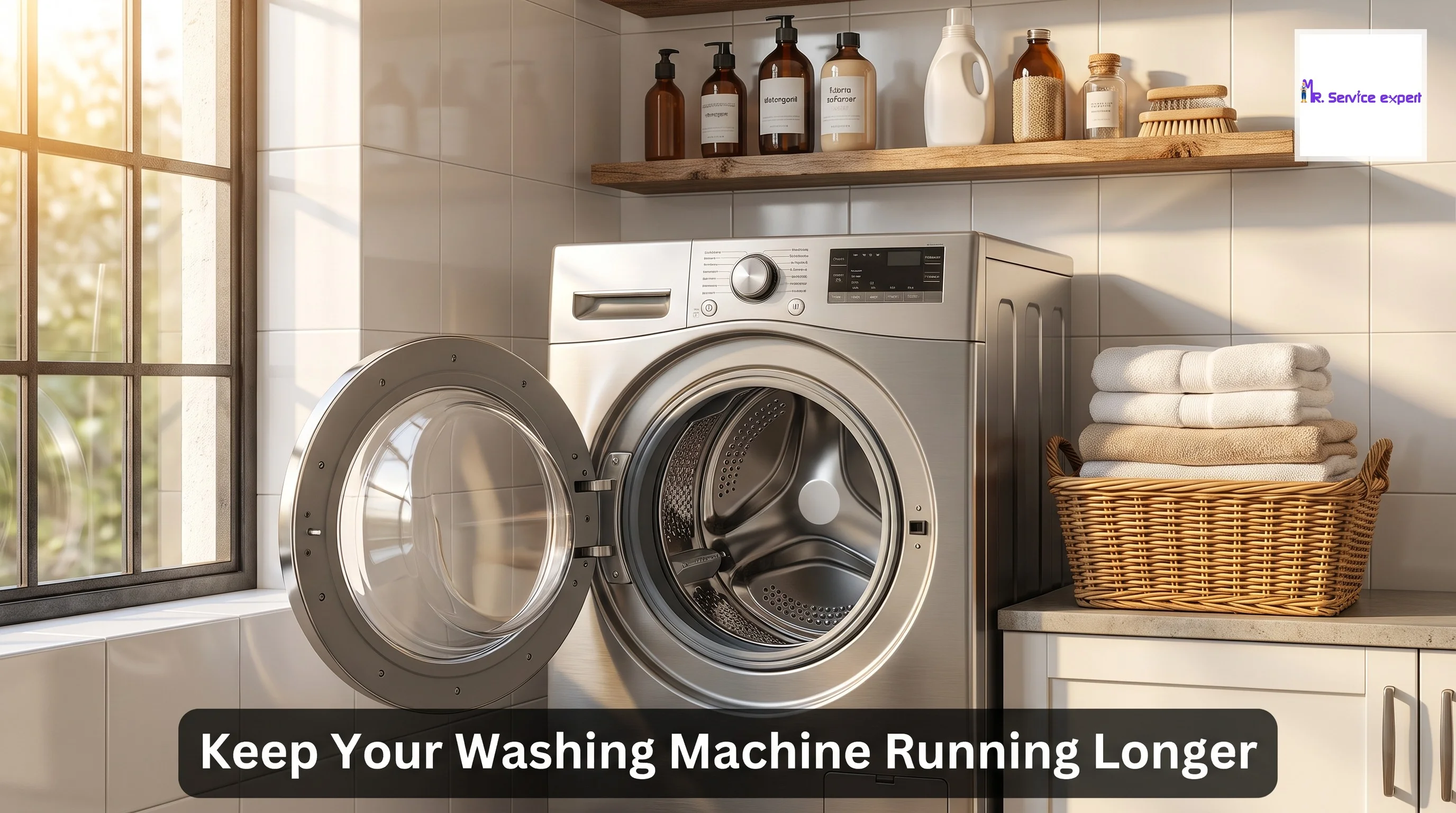
How to Maintain Your Washing Machine for Long Life
Your washing machine is one of the hardest-working appliances in your home, handling loads of laundry day after day. Like any machine that sees constant use, it needs proper care and attention to keep running smoothly for years to come. Many Indian households rely heavily on their washing machines, especially in cities where time is precious and manual washing just isn't practical anymore. Yet, most people never think about washing machine maintenance until something goes wrong and they're facing an expensive repair bill or worse, having to replace the entire unit.
The good news is that with some simple washing machine care tips and regular attention, you can significantly extend the life of your washing machine and keep it performing like new. Most washing machine common problems can be prevented with basic maintenance routines that take just a few minutes of your time. Whether you have a top-load or front-load model, a semi-automatic or fully automatic machine, the principles of proper care remain largely the same.
In this comprehensive guide, we'll walk you through everything you need to know about keeping your washing machine in top condition. From daily habits that prevent damage to monthly cleaning routines and annual servicing needs, you'll learn practical steps that any homeowner can follow. These aren't complicated technical procedures requiring professional help, though we'll also discuss when it's time to call a washing machine technician for expert assistance.
Understanding how to maintain your washing machine properly doesn't just save you money on repairs and replacements. It also ensures your clothes get cleaned effectively, your machine operates efficiently without wasting water or electricity, and you avoid the inconvenience of breakdowns at the worst possible times. With washing machines typically costing anywhere from 10,000 to 50,000 rupees or more in the Indian market, protecting this investment makes perfect financial sense.
Let's dive into the essential washing machine maintenance practices that will help your appliance serve you faithfully for ten years or more, instead of breaking down after just three or four years as many poorly maintained machines do.
Daily Care Habits for Washing Machine Longevity
The foundation of good washing machine maintenance starts with what you do every single day. These simple habits take minimal effort but make a massive difference in preventing long-term damage and keeping your machine fresh and functional.
After every wash cycle, leave the washing machine door or lid open for at least a few hours. This allows moisture to evaporate completely from the drum and rubber seals, preventing mold, mildew, and unpleasant odors from developing. In India's humid climate, especially during monsoon season, this step becomes even more critical. Front-load machines are particularly prone to mold growth in the rubber gasket if you close the door immediately after washing.
Always check pockets before loading clothes into the machine. Coins, keys, tissues, and other small items can damage the drum, clog the drain pump, or get stuck in the filter. Remove any loose buttons or decorative items that might come off during washing. This five-second habit prevents many common mechanical problems that require washing machine repair down the line.
Sort your laundry properly before washing. Overloading is one of the biggest mistakes people make, putting excessive strain on the motor, drum bearings, and suspension system. Most machines have a maximum load capacity marked in kilograms, follow this guidance strictly. Underloading is also inefficient, wasting water and electricity. Aim for a balanced load that allows clothes to move freely during the wash cycle.
Use the right amount of detergent as specified by the manufacturer. Excess detergent creates too many suds, which can overflow, leave residue on clothes, and build up inside the machine causing drainage issues and unpleasant smells. In areas with hard water, consider using slightly less detergent or switching to detergents specifically formulated for hard water conditions common across many Indian cities.
Weekly Cleaning and Inspection Routines
Setting aside just fifteen to twenty minutes each week for basic cleaning and inspection can prevent most washing machine common problems before they escalate into serious issues requiring professional washing machine repair service.
Clean the detergent dispenser drawer thoroughly every week. Remove it completely from the machine and rinse it under running water, scrubbing away any detergent residue or fabric softener buildup with an old toothbrush. These dispensers can harbor mold and bacteria, which then transfer to your clothes during washing. Some models have dispensers that can be difficult to remove, consult your user manual for the correct method.
Wipe down the rubber door seal or gasket on front-load machines. This rubber fold traps water, lint, hair, and detergent residue, creating a perfect environment for mold and mildew. Use a damp cloth with a mild solution of water and vinegar to clean all the folds and crevices thoroughly. Check for any visible damage to the rubber, as tears or cracks can lead to leaks.
Inspect the drain filter at least once a week if you use your machine frequently. Most washing machines have a small filter near the bottom front that catches lint, coins, buttons, and other debris before they reach the drain pump. A clogged filter causes drainage problems, error messages, and can damage the pump. Place a shallow container underneath before opening the filter cap to catch any water that spills out, then remove accumulated debris and rinse the filter before replacing it.
Check the inlet hose screens where water pipes connect to the machine. These small mesh screens filter incoming water but can get clogged with sediment, especially in areas with hard water or poor municipal water quality. Turn off the water supply, disconnect the hoses, and clean these screens to ensure proper water flow. Reduced water flow can extend wash times and affect cleaning performance.
Run an empty hot water cycle or cleaning cycle once a week. Many modern machines have a dedicated drum clean or tub clean cycle. If yours doesn't, simply run the hottest, longest cycle without any clothes, adding two cups of white vinegar or a specialized washing machine cleaner. This removes detergent buildup, eliminates odors, and sanitizes the drum interior.
Monthly Deep Cleaning Procedures
Beyond weekly maintenance, your washing machine benefits from more thorough monthly attention to areas that don't need constant cleaning but do accumulate grime over time.
Clean the exterior surfaces of your machine with a soft cloth and appropriate cleaner. Wipe down the control panel, top surface, and sides, being careful not to let water seep into electronic components. For stubborn stains on plastic or enamel surfaces, use a paste of baking soda and water. Keeping the exterior clean isn't just about appearances; it prevents dust and grime from working its way into internal mechanisms.
Descale your washing machine monthly if you live in a hard water area, which includes most Indian cities. Hard water deposits calcium and magnesium salts inside the machine, on heating elements, pipes, and the drum. Over time, this scale reduces efficiency, increases energy consumption, and can cause permanent damage. Use a commercial descaling product designed for washing machines, or run a hot cycle with two cups of white vinegar and half a cup of baking soda.
Clean behind and underneath the machine if possible. Pull it away from the wall carefully and vacuum or sweep away dust, lint, and debris that accumulates around the machine. Check that drainage hoses aren't kinked or damaged, and that water inlet hoses show no signs of wear or bulging. Ensure adequate ventilation space around the machine as recommended in your user manual.
Inspect and clean the detergent dispensers' inlet jets. These small water jets that rinse detergent from the dispenser into the drum can get clogged with detergent residue and mineral deposits. Use a thin brush or pipe cleaner to clear these jets, ensuring proper detergent distribution during wash cycles.
Check the machine's balance and leveling. Over time, vibration can cause machines to shift slightly, especially on smooth floors. An unbalanced machine vibrates excessively during the spin cycle, causing noise, potential damage to internal components, and even walking across the floor. Use a spirit level to check that the machine sits perfectly level, and adjust the leveling feet as needed.
Essential Washing Machine Care Tips for Specific Types
Different washing machine types require slightly different maintenance approaches. Understanding your specific machine type helps you provide targeted care that addresses its unique vulnerabilities.
Top-load washing machines need special attention to the agitator or pulsator mechanism. These moving parts can accumulate lint and debris around their base. Remove the agitator if your model allows it, and clean underneath thoroughly. Top-loaders are generally less prone to mold issues since they drain more completely, but they still need regular cleaning to prevent odors and maintain performance.
Front-load washing machines require diligent attention to the rubber door gasket. This is the most common problem area for front-loaders. After every few uses, wipe it dry and check for trapped items, buildup, or developing mold. Run regular cleaning cycles with the door seal cleaner or vinegar solution specifically targeting this area. Front-loaders also benefit from occasionally running with the door open between uses to allow complete drying.
Semi-automatic washing machines have two separate tubs that both need maintenance. Clean both the washer and spinner tubs regularly, and pay attention to the lint filter that's typically located in the wash tub. The spinner tub's drain pipe should be checked for clogs. Since these machines require manual water filling, ensure the inlet hose remains clean and free from damage.
Fully automatic machines with multiple sensors and complex programming need stable electrical supply. Use a voltage stabilizer in areas with fluctuating power supply to protect sensitive electronic components. These machines also have more sophisticated drainage systems with pumps and filters that need regular cleaning as per manufacturer recommendations.
Common Mistakes That Reduce Washing Machine Lifespan
Avoiding these common errors is just as important as following good washing machine care tips. Many people unknowingly damage their machines through practices they think are harmless.
Using too much detergent is perhaps the most widespread mistake. More detergent doesn't mean cleaner clothes; it means more residue left behind in your machine and on your clothing. Modern washing machines, especially high-efficiency models, are designed to work with smaller amounts of detergent than older machines. Follow the manufacturer's guidelines and adjust for your water hardness.
Ignoring unusual sounds or vibrations is a costly mistake. Strange noises often indicate problems with bearings, suspension, or objects caught in the drum or pump. What starts as a minor issue requiring simple washing machine repair can escalate into major damage if ignored. If your machine develops new sounds or excessive vibration, investigate immediately or call a qualified washing machine technician.
Washing items that shouldn't go in the machine causes various problems. Heavy items like blankets that exceed the capacity, rubber-backed mats that can break apart, or clothes with excessive pet hair that clogs filters can damage your machine. Always check the care labels and consider hand-washing or professional cleaning for delicate or unsuitable items.
Leaving wet clothes in the drum for hours after the cycle completes promotes mold and mildew growth. It also puts strain on the drum if you have to run additional spin cycles because clothes became wrinkled. Remove clothes promptly after washing completes, and if you must delay, at least leave the door open for air circulation.
Not using the right wash settings for your load wastes resources and may damage clothes or the machine. Hot water for everything wastes energy and can damage heat-sensitive fabrics. Cold water for heavily soiled items may not clean effectively, requiring rewashing. Learn what each cycle does and match it to your actual needs.
When to Call Professional Washing Machine Repair Service
Despite your best maintenance efforts, washing machines sometimes develop problems requiring professional expertise. Knowing when to call for washing machine repair service saves you from making problems worse through amateur repair attempts.
Persistent drainage issues that cleaning the filter doesn't resolve indicate problems with the drain pump or drainage hose. Water remaining in the drum after the spin cycle, error codes related to drainage, or slow draining all warrant professional attention. A washing machine technician can diagnose whether the pump needs replacement or if there's a blockage deeper in the system.
Unusual noises like grinding, scraping, or loud banging during the spin cycle suggest problems with bearings, the drum spider assembly, or suspension components. These are complex repairs requiring disassembly of the machine and should only be attempted by experienced professionals. Continuing to use a machine with these symptoms will cause exponentially more damage.
Leaking water from anywhere except a clearly loose connection needs professional diagnosis. Leaks can come from damaged hoses, worn seals, cracks in the tub, or faulty pumps. Water damage to your floor and the machine's internal components makes this an urgent repair need.
Electronic or control panel malfunctions including machines that won't start, respond erratically to button presses, display error codes, or behave inconsistently require electrical expertise. Modern machines have circuit boards that need proper testing equipment and knowledge to repair or replace safely.
Machines that won't spin, agitate, or complete cycles properly despite being clean and properly loaded have motor, belt, or transmission issues. These mechanical problems require tools and parts that most homeowners don't have access to.
A good washing machine repair service will diagnose the problem accurately, provide a realistic cost estimate, and repair efficiently. Regular servicing by a qualified washing machine technician once a year can also catch developing problems before they cause breakdowns, similar to how you service your car annually.
Maximizing Energy Efficiency Through Proper Maintenance
Proper washing machine maintenance doesn't just extend the machine's life; it also keeps it running efficiently, saving money on your electricity and water bills.
Clean machines work more efficiently than dirty ones. When heating elements are covered in scale, they take longer to heat water, using more electricity. When drainage is partially blocked, spin cycles may run longer trying to remove water. When detergent residue coats the drum, clothes don't move freely, reducing cleaning effectiveness and requiring rewashing.
Use cold water whenever possible for washing. Modern detergents work effectively in cold water for most loads, and heating water accounts for the majority of a washing machine's energy consumption. Reserve hot water for heavily soiled items, whites, or when sanitization is necessary. This simple habit can reduce your washing machine's energy consumption by up to sixty percent.
Wash full loads rather than multiple small loads. Running your machine at or near capacity is more efficient than several partial loads. However, don't overload beyond the recommended capacity, as this reduces cleaning effectiveness and strains the motor. Find the sweet spot where the machine is full but items still have room to move during washing.
Choose the appropriate cycle length for your needs. Not every load requires the longest, most intensive cycle. Quick wash cycles use less water and energy while still effectively cleaning lightly soiled clothes. Save longer cycles for genuinely dirty items.
Keep your machine well-maintained and level. A balanced, clean machine operates more efficiently with less vibration and strain on components. This reduces wear and tear while also reducing operating noise.
Creating a Maintenance Schedule That Works
Consistency is key to effective washing machine maintenance. Create a simple schedule that fits your household's washing frequency and stick to it.
After every wash, leave the door open, check for items left in the drum, and wipe down obvious spills. This takes less than a minute and prevents major problems.
Once weekly, clean the detergent drawer, check and clean the drain filter, wipe the door seal, and run an empty cleaning cycle. Schedule this on the same day each week, perhaps Sunday evening or whenever you do your last load for the week. These tasks take fifteen to twenty minutes total.
Monthly, perform deep cleaning including descaling, checking hoses and connections, cleaning behind the machine, and inspecting for any developing issues. This might take thirty to forty minutes but is time well invested.
Annually, schedule professional servicing with a qualified washing machine repair service. They can perform internal cleaning, check components that aren't user-accessible, and catch problems before they become serious.
Want to extend your washing machine's lifespan and avoid costly repairs? Learn more about essential maintenance practices that keep your appliance running efficiently for years. Discover how simple monthly cleaning routines, proper detergent usage, and load management can prevent common issues like mold, drainage problems, and drum damage. Stay informed about warning signs that indicate your machine needs attention before minor issues become major breakdowns.