
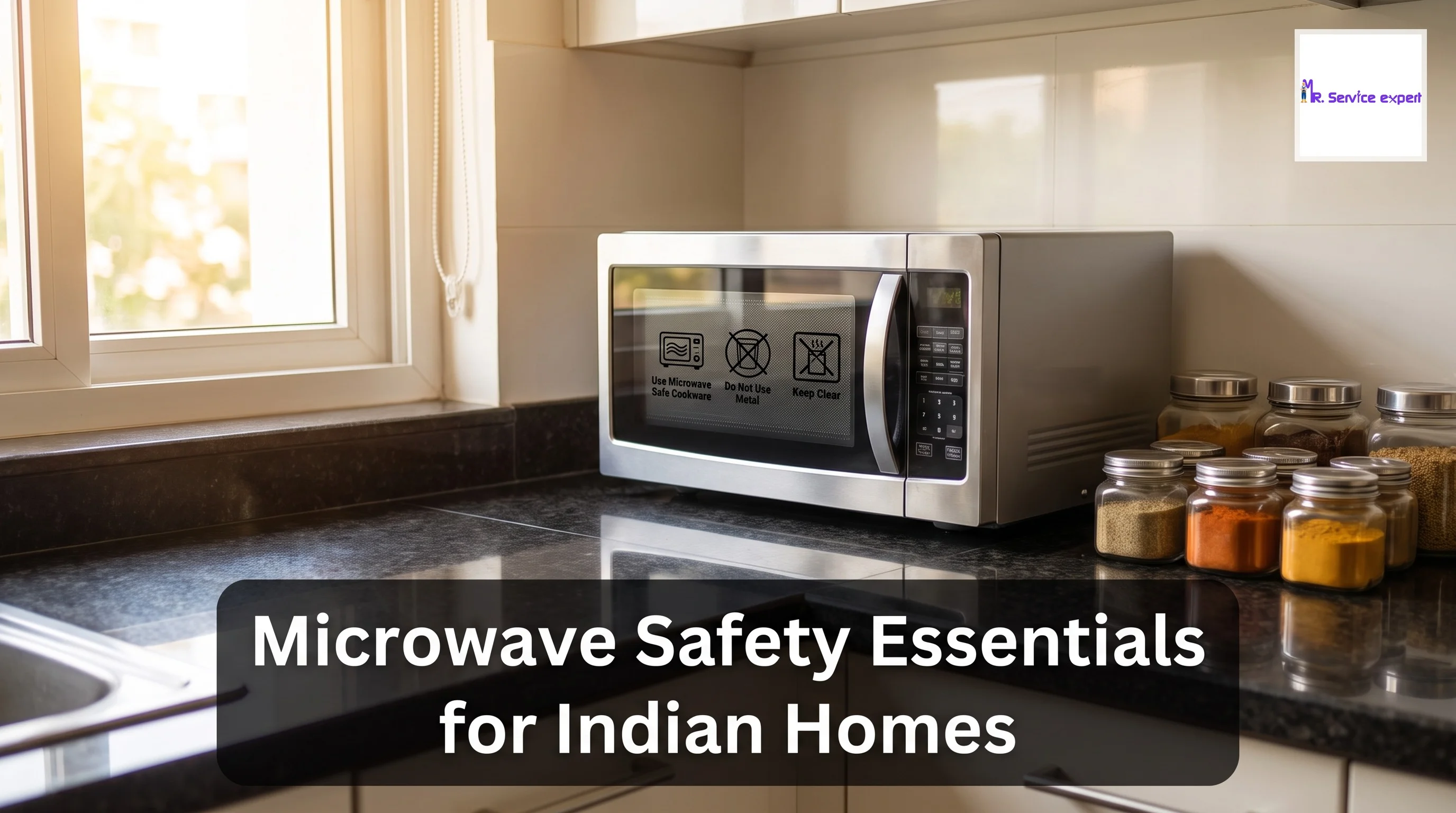
Microwave Oven Safety Tips: Avoiding Common Hazards at Home
Microwave ovens have become an indispensable part of modern Indian kitchens, offering unmatched convenience for heating, cooking, and defrosting food within minutes. However, this everyday appliance can pose serious safety risks if not used properly. Understanding microwave oven safety is crucial for every household to prevent accidents, injuries, and costly damage. From electrical hazards to improper food heating, the potential dangers lurking behind that convenient glass door are more common than most people realize.
Many Indian families use their microwave ovens multiple times daily without giving much thought to the microwave oven hazards that could arise from improper usage. Statistics show that thousands of household accidents involving microwave ovens occur each year, ranging from minor burns to serious fires and electrical shocks. These incidents are largely preventable with proper knowledge and adherence to basic safety guidelines. Whether you are reheating last night's biryani or defrosting chicken for dinner, following essential microwave care tips can make the difference between a safe cooking experience and a potential disaster.
The good news is that microwave ovens are generally safe appliances when operated correctly and maintained properly. Most problems arise from user error, lack of awareness, or neglect of basic maintenance protocols. Simple practices like using microwave-safe containers, keeping the interior clean, and checking the door seal regularly can significantly reduce risks. Additionally, knowing when to seek professional Microwave oven repair services instead of attempting DIY fixes can prevent more serious complications down the line.
Indian households face unique challenges when it comes to microwave oven safety, particularly in smaller kitchens where ventilation might be limited and space constraints force appliances into less-than-ideal locations. Power fluctuations common in many Indian cities can also affect microwave performance and longevity, making surge protection an important consideration. Understanding these specific contextual factors helps tailor safety practices to real-world conditions faced by millions of families across the country.
This comprehensive guide covers everything you need to know about preventing microwave oven hazards, implementing proper microwave care tips, and ensuring your appliance serves you safely for years to come. From selecting the right cookware to recognizing warning signs that require Microwave oven Repair Service, we will explore practical, actionable advice that keeps your family protected while maximizing the benefits of this modern convenience.
Understanding Common Microwave Oven Hazards
Microwave ovens present several potential hazards that every user should be aware of to maintain a safe kitchen environment. One of the most serious microwave oven hazards is the risk of fire, which can occur when metal objects are placed inside the microwave or when food items with high fat or sugar content are overheated. Metal reflects microwaves rather than absorbing them, causing electrical arcing that produces sparks and can ignite flammable materials. Even small amounts of metal like the foil edges on takeout containers or metallic paint on ceramics can trigger dangerous sparks.
Superheated liquids represent another significant danger that catches many users off guard. When water or other liquids are heated in a microwave without anything to disturb the surface, they can reach temperatures above boiling point without actually bubbling. The slightest disturbance when removing the container can cause the liquid to erupt violently, resulting in severe burns. This phenomenon is particularly common with smooth containers and distilled water, making it a hidden microwave oven safety concern that requires attention.
Electrical hazards pose serious risks, especially in homes with older wiring or inadequate grounding. A malfunctioning microwave can cause electric shocks through damaged door switches, faulty wiring, or compromised insulation. Power surges during operation can also damage internal components, creating fire risks or causing Microwave malfuntioning that might not be immediately obvious. Regular inspection of the power cord for fraying, proper grounding of outlets, and immediate attention to any unusual sounds or smells are critical safety measures.
Chemical hazards emerge when inappropriate containers are used for microwave heating. Many plastics not designed for microwave use can leach harmful chemicals into food when heated, particularly those containing BPA or phthalates. Styrofoam containers may melt and release toxic fumes, while certain types of paper products treated with chemicals can also pose health risks. Brown paper bags, newspapers, and recycled paper products should never be used in microwaves as they can release toxins and potentially ignite.
Radiation leakage concerns, while less common in modern appliances with proper safety mechanisms, remain a valid consideration for microwave oven safety. A damaged door seal, bent door frame, or malfunctioning interlock system can allow microwave radiation to escape during operation. While the levels are typically low, prolonged exposure should be avoided. Never operating a microwave with a damaged door and ensuring the door closes properly each time are essential precautions against this hazard.
Essential Microwave Care Tips for Safe Operation
Implementing proper microwave care tips begins with choosing the right location for your appliance. Position your microwave on a stable, level surface away from heat sources like gas stoves or direct sunlight. Ensure adequate ventilation by maintaining at least three inches of clearance on all sides to prevent overheating. Never place your microwave in enclosed cabinets without proper ventilation, as trapped heat can damage internal components and create fire hazards. In Indian kitchens where space is premium, resist the temptation to stack items on top of the microwave, as this blocks ventilation vents.
Regular cleaning is among the most important microwave care tips for both safety and longevity. Food splatters and grease buildup not only harbor bacteria but can also ignite during operation, creating fire hazards. Clean the interior weekly using a mild solution of water and vinegar or lemon juice. For stubborn stains, heat a bowl of water with lemon slices for three minutes, then wipe down surfaces with a soft cloth. Never use abrasive cleaners or steel wool that can damage the interior coating. Pay special attention to the door seal, removing any food particles that could compromise the seal's integrity.
The door seal and hinges require particular attention as they are critical safety components. Inspect the door seal regularly for cracks, warping, or food buildup that could prevent proper closure. Test the door by placing a piece of paper between the door and the frame, closing it, and gently pulling the paper. If it slides out easily, the seal may be compromised and requires professional microwave repair. Listen for unusual sounds when opening and closing the door, as these might indicate hinge problems that need addressing.
Using appropriate cookware is fundamental to microwave oven safety. Always verify that containers are labeled microwave-safe before use. Glass and ceramic dishes without metallic paint or trim are generally safe choices. For Indian cooking, use microwave-safe containers specifically designed for reheating curries, dals, and rice dishes. When covering food, use microwave-safe lids or covers rather than plastic wrap, and always leave a small vent for steam to escape. Never use aluminum foil, metal containers, or dishes with gold or silver trim.
Power management and electrical safety cannot be overlooked in microwave care tips. Install a surge protector to shield your microwave from voltage fluctuations common in many Indian cities. Avoid using extension cords, as they may not handle the microwave's power requirements safely. If you notice the microwave tripping circuit breakers, dimming lights during operation, or producing burning smells, immediately stop using it and contact a microwave oven repair service. These symptoms indicate serious electrical issues requiring professional attention.
Safe Food Heating and Cooking Practices
Proper food preparation is central to microwave oven safety and prevents many common accidents. Always use microwave-safe covers when heating food to prevent splattering and promote even heating. Ensure covers have ventilation holes or are positioned to allow steam escape. When heating liquids, place a wooden spoon or microwave-safe stirrer in the container to prevent superheating. For Indian dishes with thick gravies like butter chicken or chole, stir halfway through heating to distribute heat evenly and prevent hot spots that can cause burns.
Understanding appropriate heating times and power levels helps avoid microwave oven hazards related to overheating. Start with shorter cooking times and add more time as needed rather than beginning with extended periods. Use lower power settings for delicate foods and items that require gentle heating. When reheating rice, roti, or bread, use medium power and short intervals to prevent drying or toughening. For defrosting, always use the defrost setting rather than full power to ensure even thawing without cooking the outer portions.
Particular foods require special attention due to their microwave oven hazards potential. Eggs in shells should never be microwaved as internal pressure buildup can cause explosive ruptures. When heating whole potatoes, pierce the skin several times to allow steam escape. Foods with skins or membranes like tomatoes, sausages, and certain types of squash should be pierced or scored before heating. Hot peppers and chili-based dishes require extra caution as capsaicin-containing steam can irritate eyes and respiratory passages when the container is opened.
Container selection extends beyond material safety to include size and shape considerations. Use containers large enough to prevent boil-overs, especially when heating milk-based preparations or liquids that expand during heating. Round or oval containers promote more even heating compared to square or rectangular ones where corners may receive excessive energy. For Indian sweets containing ghee or oil, use deep containers as these items can bubble vigorously when heated.
Post-heating safety measures are equally important in preventing burns and injuries. Always use oven mitts or heat-resistant gloves when removing containers from the microwave, as containers can become extremely hot even if the food inside seems only warm. Before removing covered dishes, partially lift the cover from the far side first, allowing steam to escape away from your face and hands. Let food stand for the recommended time after heating to allow temperature equalization and to complete the cooking process through residual heat.
Recognizing Warning Signs and When to Seek Microwave Repair
Being alert to warning signs of microwave malfunctioning helps prevent dangerous situations and costly breakdowns. Unusual sounds during operation signal potential problems requiring attention. Normal microwave operation produces a steady hum from the magnetron and fan noise from the cooling system. However, loud buzzing, grinding, rattling, or popping sounds indicate mechanical issues, loose components, or electrical problems. If you hear arcing sounds resembling crackling or snapping, immediately stop the microwave and inspect for metal objects inside or damaged interior coating.
Visual indicators often reveal developing problems before they become serious hazards. Sparking inside the microwave cavity, even without metal present, suggests deteriorating interior coating or waveguide cover damage requiring professional microwave repair. Smoke emanating from vents during normal operation indicates electrical component failure or severe food buildup burning. Inspect the interior light regularly; if it flickers or fails to illuminate, there may be electrical issues beyond just a burnt bulb. Check the exterior regularly for discoloration, melting, or warping of plastic components suggesting overheating problems.
Performance changes frequently indicate underlying issues affecting both safety and efficiency. If food takes significantly longer to heat than previously or heats unevenly despite proper container rotation, the magnetron may be failing. A microwave that continues running after the timer expires or door opens represents a serious safety hazard requiring immediate professional microwave oven repair service. Conversely, if the microwave stops mid-cycle repeatedly, thermal cutoffs may be triggering due to overheating, ventilation blockage, or component failure.
Door-related issues demand immediate attention due to their impact on microwave oven safety. A door that does not close securely, latches that feel loose or sticky, or visible gaps between the door and frame compromise radiation shielding. Never attempt to adjust or repair door mechanisms yourself, as proper alignment and interlock function are critical safety features. If you can see light escaping around the door edges during operation or feel warmth radiating from the door surface beyond normal levels, discontinue use and contact qualified microwave repair professionals.
Electrical symptoms require particularly urgent response to prevent fire hazards and electric shock risks. If the microwave trips circuit breakers, causes lights to flicker, produces burning odors, or shows any signs of scorching on the power cord or plug, immediately unplug it and arrange for professional inspection. Never ignore tingling sensations when touching the microwave exterior during operation, as this indicates dangerous electrical leakage. While some minor issues might seem manageable, electrical repairs should always be left to certified technicians familiar with high-voltage components.
Maintenance Schedule for Long-Term Safety
Establishing a regular maintenance routine based on comprehensive microwave care tips ensures consistent safe operation and extends appliance lifespan. Daily maintenance should include wiping down interior surfaces after use to prevent food buildup and checking that the turntable rotates freely. Before each use, visually inspect the door seal for debris and ensure the door closes properly with a firm click. These simple daily habits take less than a minute but significantly reduce microwave oven hazards associated with accumulated grime and mechanical issues.
Weekly cleaning sessions should be more thorough, addressing areas that accumulate grease and food particles. Remove and wash the turntable and support ring in warm soapy water. Clean the interior ceiling, walls, and floor using a microwave-safe cleaning solution, paying particular attention to the waveguide cover if your model has an exposed one. Wipe down the exterior surfaces, control panel, and door handle with a slightly damp cloth. Inspect ventilation openings and gently vacuum or brush away any dust accumulation that could impede airflow.
Monthly maintenance checks should include more detailed inspections of safety-critical components. Examine the power cord thoroughly for any signs of damage, including fraying, cuts, or exposed wiring. Test the door seal integrity using the paper test described earlier. Check that all control buttons respond properly without sticking or requiring excessive pressure. Run an empty microwave for 30 seconds and listen for any unusual sounds that might indicate developing problems. Verify that the interior light functions correctly and that the turntable motor operates smoothly without jerking or hesitation.
Quarterly deep maintenance helps identify issues before they become serious problems requiring microwave oven repair service. Clean behind and underneath the microwave if possible, removing accumulated dust and grease that could pose fire hazards. Inspect the outlet and plug for any signs of overheating, discoloration, or looseness. If your microwave has external filters, clean or replace them according to manufacturer guidelines. Consider having a qualified technician perform a professional inspection annually, particularly for microwaves more than five years old or those used heavily in commercial settings.
Documentation and record-keeping support effective long-term maintenance strategies. Maintain a simple log noting cleaning dates, any unusual observations, and repair history. Keep the original purchase receipt, warranty information, and user manual in an accessible location for reference. If you notice recurring issues or patterns in performance degradation, these records help repair technicians diagnose problems more efficiently. Knowing your microwave's age and usage history also helps make informed decisions about whether to invest in microwave repair or consider replacement.
Special Safety Considerations for Indian Households
Indian cooking patterns present unique challenges for microwave oven safety that require adapted practices. Heavy use for reheating curries, gravies, and rice multiple times daily subjects microwaves to more stress than typical Western usage patterns. Oil-based and masala-rich dishes tend to splatter more, creating greater cleaning demands and fire hazards if maintenance lapses. Use splatter guards religiously when heating Indian preparations, and increase cleaning frequency to match your usage intensity.
Voltage fluctuations common across Indian cities pose particular risks to microwave electronics. Power surges can damage sensitive components, while brownouts may cause incomplete cycles or unusual behavior. Invest in a good quality surge protector rated for your microwave's wattage, typically between 1000-1500 watts for standard models. This simple addition protects your investment and prevents electrical hazards that could compromise microwave oven safety in environments with unstable power supply.
Related Blogs
- How to Maintain Your Vacuum Cleaner for Long-Lasting Performance
- Front Load vs Top Load Washing Machine: Repair & Maintenance Differences
- Refrigerator Maintenance Checklist: Extend Your Fridge's Lifespan
- Air Purifier Filter Replacement: When and How Often?
- LED TV Screen Issues: Common Problems and Repair Solutions