
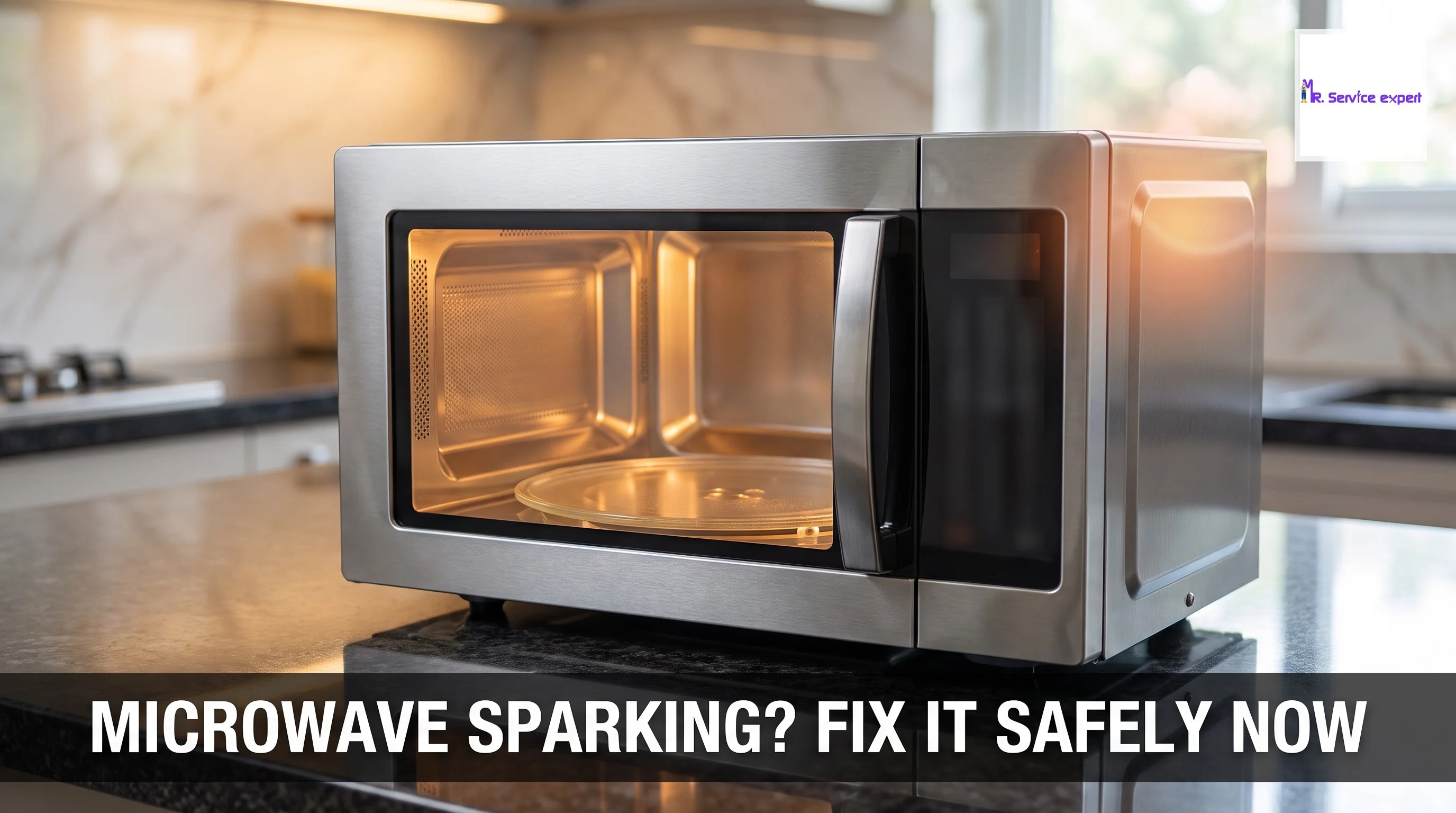
Microwave Oven Sparking? Here's What to Do
You open your microwave oven door, place your meal inside, press start, and suddenly you see flashes of light accompanied by crackling sounds. Your heart skips a beat as you witness what looks like miniature lightning bolts dancing inside your trusted kitchen appliance. Microwave oven sparking is not just alarming to witness, it can also be dangerous if left unaddressed. This unexpected electrical display inside your microwave is more common than you might think, affecting thousands of Indian households every year.
When your microwave starts producing sparks, it immediately raises concerns about safety and whether the appliance is still usable. The good news is that microwave oven sparking doesn't always mean your appliance is beyond repair or that you need to rush out and buy a new one immediately. Understanding the root causes of this issue can help you determine whether it is a simple fix you can handle yourself or if you need professional microwave oven troubleshooting assistance.
The phenomenon of sparking inside a microwave happens when electrical current arcs through the air, typically caused by metal objects, damaged components, or accumulated food particles. While it might look like your microwave is about to explode, in most cases, the sparking indicates a specific problem that can be identified and resolved with the right approach. Acting quickly when you notice sparks is crucial because continued use of a sparking microwave can lead to more serious damage, potential fire hazards, and complete appliance failure.
Before you panic or assume the worst, it is important to understand that microwave ovens are relatively simple appliances despite their sophisticated technology. The sparking you observe is often a warning sign rather than a death sentence for your appliance. With proper microwave oven troubleshooting techniques, many sparking issues can be resolved without expensive repairs or replacements. Whether you live in Mumbai, Delhi, Bangalore, or any other city across India, the causes of microwave sparking remain largely the same.
This comprehensive guide will walk you through everything you need to know about dealing with a sparking microwave oven. From identifying the common causes to understanding when you can fix the problem yourself and when to call for professional microwave oven repair services, we cover all aspects of this concerning kitchen issue. By the end of this article, you will have the knowledge to handle this situation safely and make informed decisions about your appliance's future.
Understanding Why Your Microwave Oven Starts Sparking
Microwave ovens work by generating electromagnetic waves that cause water molecules in food to vibrate rapidly, producing heat. When these microwaves encounter metal or other reflective surfaces in inappropriate ways, they can create electrical arcs that appear as sparks. The magnetron, which is the component that generates microwaves, produces powerful energy that needs to be contained and directed properly within the cooking cavity. Any disruption to this carefully engineered system can result in sparking.
The most fundamental reason behind microwave oven sparking involves the interaction between microwaves and metallic objects. Metal reflects microwaves rather than absorbing them like food does, creating concentrated energy at specific points. When this concentrated microwave energy builds up sufficiently, it ionizes the air molecules around the metal, creating a visible electrical discharge. This is the same principle behind lightning, just on a much smaller scale confined within your microwave cavity.
Beyond the obvious metal-related causes, sparking can also occur due to component deterioration over time. The interior coating of your microwave, typically made of special paint or enamel, can chip or wear away, exposing the metal underneath. When microwaves hit these exposed metal patches, sparking occurs. Similarly, the waveguide cover, a small panel that protects the magnetron opening, can become damaged or covered with food splatters, leading to arcing and sparks during operation.
Understanding the science behind microwave oven sparking helps demystify the problem and makes troubleshooting less intimidating. The sparks you see are essentially miniature electrical storms, and like real storms, they indicate specific atmospheric conditions. In the case of your microwave, these conditions relate to the presence of metal, damaged components, or food debris in places where they should not be. Recognizing this helps you approach the problem methodically rather than emotionally.
Common Causes of Microwave Oven Sparking
The most prevalent cause of microwave oven sparking is the accidental presence of metallic objects inside the cooking cavity. Many people unknowingly place dishes with metallic trim, aluminum foil, twist ties, or utensils inside their microwaves. Even seemingly harmless items like plates with gold or silver decorative patterns contain enough metal to cause dramatic sparking. In Indian kitchens, stainless steel containers, which are commonly used for food storage, frequently end up in microwaves by mistake, causing immediate sparking when the appliance starts.
Food debris and grease accumulation represent another major cause of sparking issues. When food splatters during cooking and is not cleaned promptly, it carbonizes over time, especially in high-use areas near the top and sides of the microwave cavity. These carbonized food particles can become conductive, creating hot spots where microwaves concentrate and spark. This problem is particularly common in households where the microwave gets heavy daily use for heating oily Indian foods like curries, parathas, and fried snacks.
The waveguide cover, a small rectangular or square panel usually located on the right side or top of the microwave interior, often becomes a trouble spot. This cover protects the magnetron antenna and can accumulate grease and food particles, eventually burning through or developing holes. Once damaged, the waveguide cover allows microwaves to enter the waveguide itself, causing sparking and potentially damaging the magnetron. Replacing this inexpensive component often resolves sparking issues completely.
Damaged interior paint or coating is another frequent culprit behind microwave oven sparking. The interior walls of microwaves are coated with special microwave-safe paint that prevents the metal underneath from interacting with microwave energy. Over years of use, this coating can chip, peel, or wear away due to repeated heating cycles, aggressive cleaning, or accidental scratches. Once the underlying metal is exposed, it becomes a prime location for electrical arcing and visible sparks during operation.
The rotating mechanism, including the turntable support and roller guide, can sometimes cause sparking if it becomes damaged or if metal parts wear through their protective coating. Additionally, the door latch mechanism and hinges contain metal components that, if misaligned or damaged, can create sparking issues. Rack supports, if your microwave has them, can also develop worn spots where the protective coating has deteriorated, leading to metal-on-metal contact that produces sparks.
Immediate Steps to Take When You Notice Sparking
The moment you observe microwave oven sparking, your first action should be to immediately stop the microwave. Do not open the door while sparks are actively occurring, as this could potentially cause the magnetron to continue operating briefly even after you stop the cycle. Instead, press the stop or cancel button and allow a few seconds for the magnetron to completely shut down. If the sparking is severe or continues after you press stop, unplug the microwave from the electrical outlet immediately to cut all power to the unit.
Once the microwave is safely stopped and unplugged, give it at least five to ten minutes to cool down before attempting any inspection. Microwave components can become extremely hot during operation, and the capacitor inside the unit can retain dangerous electrical charges even after unplugging. Never attempt to disassemble or deeply inspect a microwave unless you have proper training, as the capacitor can deliver a potentially lethal shock even when the appliance is unplugged. For basic inspection of the interior cavity, waiting for the unit to cool is sufficient.
After the cooling period, open the door and carefully inspect the interior for any obvious foreign objects. Remove any metallic items, dishes with metal trim, or utensils that might have accidentally been left inside. Check the turntable and ensure it is properly seated on its support mechanism. Look for any visible signs of damage to the interior walls, paying special attention to areas where the paint or coating appears chipped, peeled, or discolored. These damaged areas appear as darker spots or patches where the underlying metal shows through.
Examine the waveguide cover closely, as this component frequently causes sparking when damaged. The waveguide cover is typically a small rectangular piece of mica or heat-resistant plastic located on the side or ceiling of the microwave interior. Look for burn marks, holes, grease accumulation, or any visible damage to this cover. If you notice any of these issues, the cover needs replacement. This is a relatively inexpensive part that costs between 200 to 500 rupees in India and can often be replaced without professional help.
Clean the interior thoroughly using a damp cloth and mild detergent, removing any food debris, grease splatters, or carbonized particles. Pay particular attention to the ceiling area and the region around the waveguide cover, as these spots accumulate the most food residue. Avoid using abrasive cleaners or steel wool, as these can scratch the interior coating and create future sparking problems. After cleaning, dry the interior completely with a soft cloth before attempting to use the microwave again.
Types of Sparking and What They Indicate
Different sparking patterns in your microwave indicate different underlying problems. Continuous arcing that occurs throughout the cooking cycle typically points to a foreign metallic object inside the cavity or severely damaged interior coating. This type of sparking produces steady crackling sounds and visible arcs of electricity that persist as long as the microwave operates. If you observe this pattern, the problem usually requires immediate attention and the microwave should not be used until the issue is resolved.
Intermittent sparking that occurs sporadically during operation often indicates food debris or grease buildup that has carbonized in certain spots. This type of sparking appears as occasional flashes, particularly when microwaves concentrate on these contaminated areas. The sparking might start after the microwave has been running for a minute or two, once the carbonized particles heat up sufficiently to become conductive. This pattern suggests that thorough cleaning might resolve the issue without need for microwave oven repair services.
Sparking that occurs near the door or along the door seal area indicates potential problems with the door mechanism, seal deterioration, or metal components in the latch system. This type of arcing is particularly concerning because it suggests that microwaves might be escaping from the cooking cavity, which poses safety risks. If you notice sparks near the door area, discontinue use immediately and contact a professional technician, as door-related issues require expert microwave oven troubleshooting and should never be addressed through DIY methods.
Blue or white sparks that appear specifically from one area of the interior, especially near the waveguide cover location, strongly suggest a damaged waveguide cover or problems with the magnetron antenna area. These sparks often appear more intense and localized compared to general sparking throughout the cavity. The waveguide area is critical for proper microwave function, and damage here can quickly escalate to magnetron failure if not addressed promptly.
Small sparks accompanied by burning smell or smoke indicate carbonized food particles actively burning inside the microwave. This type of sparking typically resolves after thorough cleaning but should be taken seriously as continued operation could potentially lead to fire. If the burning smell persists even after cleaning, it might indicate burned wiring or internal component damage that requires professional evaluation.
DIY Troubleshooting and Repair Solutions
For minor sparking issues caused by food debris or light surface damage, several DIY solutions can effectively resolve the problem. Start with a comprehensive deep cleaning of the entire microwave interior. Mix a solution of equal parts water and white vinegar in a microwave-safe bowl, heat it for three to five minutes until it steams thoroughly, then let it sit for a few minutes before wiping down all interior surfaces. This steam-cleaning method loosens stubborn food particles and grease, making them easier to remove completely.
If you identify a damaged waveguide cover as the source of sparking, replacing it is a straightforward DIY task that most homeowners can handle. Purchase a replacement waveguide cover compatible with your microwave model, which you can find online or at appliance parts stores for approximately 200 to 600 rupees depending on your microwave brand. Remove the old cover by unscrewing or unclipping it, clean the area thoroughly, and install the new cover following the manufacturer's instructions. This simple replacement often completely eliminates microwave oven sparking issues.
For minor paint damage on interior walls, microwave-safe cavity paint provides an effective repair solution. These special paints are formulated to withstand microwave energy and are available at hardware stores or online for around 400 to 800 rupees per container. Clean and dry the damaged area thoroughly, lightly sand any loose paint or rust, and apply thin coats of the cavity paint according to package instructions. Allow proper drying time between coats and before using the microwave again, typically 24 to 48 hours for complete curing.
If sparking occurs due to a damaged or worn turntable support system, replacement parts are readily available and inexpensive. New turntable assemblies, including the glass plate, roller support, and rotating mechanism, cost between 300 to 1500 rupees depending on size and quality. Simply remove the old components and install the new ones, ensuring everything fits properly and rotates smoothly. This straightforward replacement requires no special tools or technical knowledge.
However, certain repairs should never be attempted as DIY projects. Any issue involving the magnetron, high-voltage capacitor, transformer, or door mechanism requires professional microwave oven repairing services. These components carry dangerous electrical charges and are critical safety elements that must be serviced by qualified technicians. Additionally, if you are uncertain about the cause of sparking or if simple cleaning and minor repairs do not resolve the issue, consulting a professional is always the safer choice.
When to Call for Professional Microwave Oven Repair
Despite the potential for DIY fixes, certain situations demand professional intervention. If sparking persists after thorough cleaning and inspection for obvious problems, the issue likely involves internal components that require technical expertise and specialized tools to diagnose and repair. Attempting to disassemble a microwave beyond basic user-accessible areas is dangerous and can void any existing warranty coverage. Professional technicians have the training to safely discharge capacitors and work with high-voltage components.
Repeated microwave oven sparking episodes even after attempting repairs indicate deeper systemic problems. When a microwave continues sparking despite replacing the waveguide cover, repairing paint damage, and maintaining cleanliness, the magnetron itself might be failing or other internal components could be deteriorating. The magnetron is the heart of the microwave, and its replacement requires professional service, typically costing between 2000 to 5000 rupees depending on the microwave model and local service rates.
If you notice any burning smell that does not originate from food residue, unusual sounds beyond normal operation noises, or if the microwave oven not working properly along with sparking issues, these symptoms suggest electrical or component failures requiring expert diagnosis. Electrical problems can worsen rapidly and pose fire risks, making professional assessment essential. Similarly, if sparking occurs near the control panel or any external areas of the microwave, immediate professional attention is necessary.
Age plays a significant factor in repair versus replacement decisions. For microwaves older than seven to eight years experiencing sparking issues, the cost of professional microwave oven repair might approach or exceed the price of a new unit. In India, basic microwave ovens start around 5000 to 7000 rupees, while repair costs for major components can range from 1500 to 5000 rupees. If your older microwave requires expensive repairs, investing in a new model with improved energy efficiency and features might be more economical.
Microwave sparking can indicate various issues, from metallic objects inside to damaged waveguide covers or worn paint. Learn more about identifying the root cause of these electrical arcs, understanding when it's safe to troubleshoot yourself versus calling a professional, and discovering preventive maintenance tips to keep your appliance operating safely for years to come.