
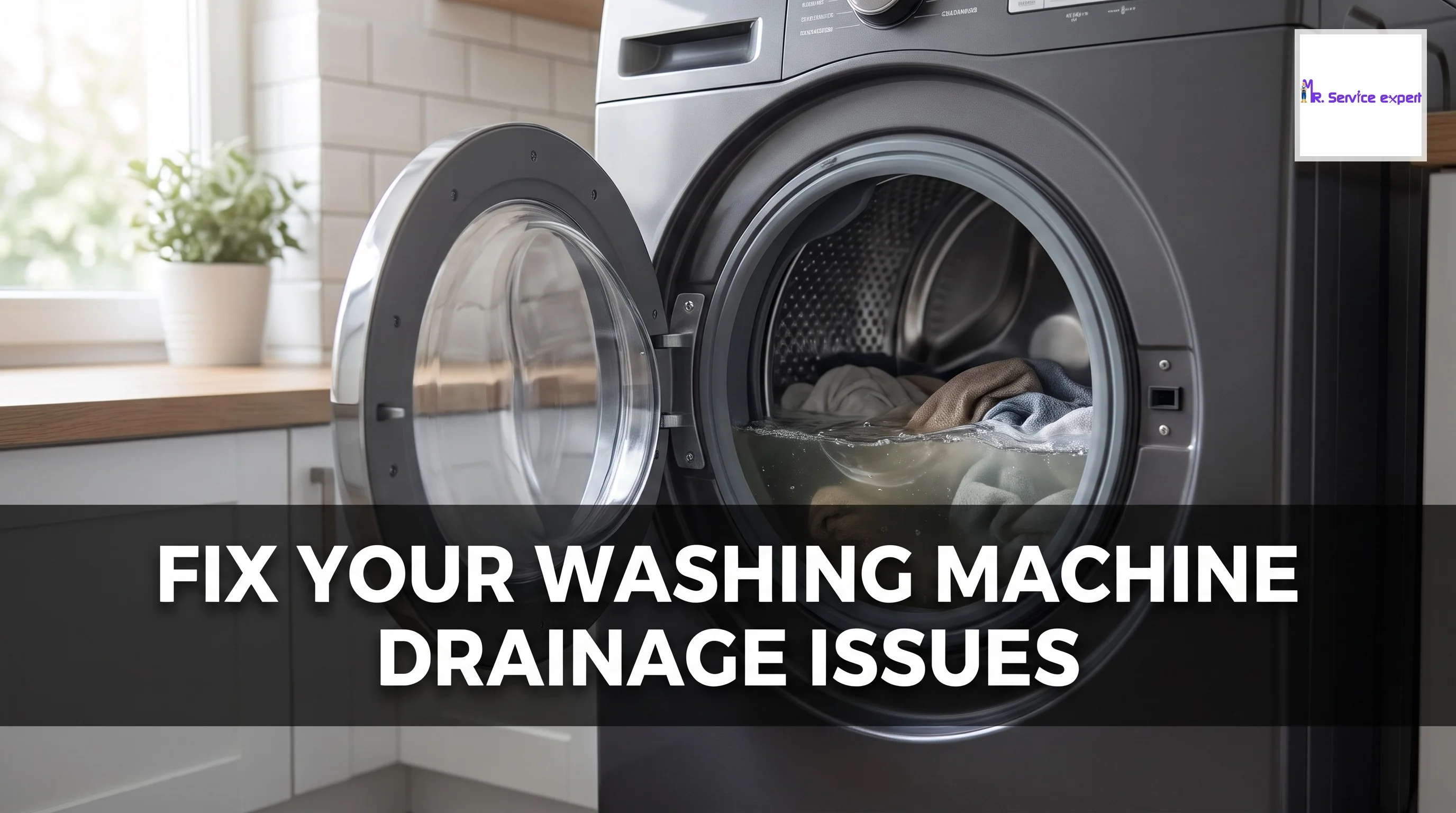
Washing machine not draining water: causes and fixes
Nothing disrupts your laundry routine quite like opening your washing machine to find clothes sitting in a pool of water. If your washing machine not working properly and refusing to drain, you're not alone in this frustrating experience. Thousands of Indian households face this common issue every day, leaving them with soaking wet clothes and a non-functional appliance. Understanding why your washing machine not draining water happens and knowing how to address it can save you time, money, and the hassle of dealing with waterlogged laundry.
The drainage system in your washing machine is a critical component that works tirelessly with every wash cycle. When this system fails, it typically signals an underlying problem that needs immediate attention. While some drainage issues stem from simple blockages that homeowners can fix themselves, others require professional washing machine service to resolve completely. The good news is that most drainage problems have straightforward solutions once you identify the root cause.
Indian households use washing machines extensively, with most families running multiple loads weekly. This heavy usage, combined with varying water quality across different regions, can contribute to drainage issues over time. Hard water deposits, lint accumulation, and debris from clothes all play their part in creating blockages. Additionally, the humid climate in many parts of India can accelerate the buildup of residue inside drainage components.
Recognizing the symptoms early can prevent minor drainage problems from escalating into major washing machine problems that require expensive repairs or even replacement. Whether you're dealing with slow drainage, complete water backup, or unusual noises during the drain cycle, each symptom points to specific issues within your machine's drainage system. This comprehensive guide will walk you through the most common causes behind drainage failures and provide practical fixes you can implement.
Before calling for washing machine repairing services and spending money unnecessarily, it's worth investigating whether you can resolve the issue yourself. Many drainage problems have simple solutions that don't require technical expertise or specialized tools. However, knowing when to seek professional washing machine repair help is equally important to avoid damaging your appliance further or putting yourself at risk.
Understanding Your Washing Machine's Drainage System
The drainage system in your washing machine consists of several interconnected components that work together to remove water after each wash and rinse cycle. At the heart of this system lies the drain pump, a motorized component that actively pushes water out of the drum through the drain hose and into your home's plumbing system. This pump typically activates during the spin cycle, though it may also run briefly at other points during the wash program.
Connected to the drain pump is the drain hose, a flexible tube that carries water from your machine to either a standpipe, sink, or direct drain connection. The positioning and condition of this hose significantly affect drainage performance. If the hose becomes kinked, crushed, or positioned too high, water cannot flow freely, causing drainage problems even when other components function normally.
Between the drum and the pump sits the drain filter, also called the pump filter or debris filter. This essential component catches lint, coins, buttons, small clothing items, and other debris before they reach the pump. While this filter protects your pump from damage, it requires regular cleaning to maintain optimal drainage. When clogged, it restricts water flow and prevents proper draining.
Modern washing machines also incorporate various sensors and switches that monitor water levels and drainage progress. If these sensors malfunction or give false readings, the machine may stop the drain cycle prematurely or fail to activate the pump altogether. Understanding how these components interact helps diagnose washing machine not working scenarios more effectively.
The drainage system's efficiency depends on proper installation and regular maintenance. Factors like incorrect hose height, inadequate venting, or improper plumbing connections can all impede drainage even in otherwise functional machines. Additionally, the type of detergent used, water hardness, and wash frequency all influence how quickly residue and debris accumulate in the drainage pathway.
Common Causes Why Your Washing Machine Not Draining Water
Clogged Drain Filter
The drain filter serves as the first line of defense against debris entering the pump, but this protective role makes it vulnerable to blockages. Over time, lint fibers, hair, small fabric pieces, forgotten coins, and accumulated detergent residue can completely obstruct the filter mesh. Indian households often find items like matchsticks, safety pins, or even small children's toys lodged in this filter. When severely clogged, the filter allows virtually no water to pass through, leaving your clothes submerged after the wash cycle completes.
Most washing machines position the drain filter behind a small door or panel at the front bottom of the machine. Regular cleaning every month prevents most clogging issues, yet many users remain unaware of this maintenance requirement. Hard water, common in cities like Delhi, Mumbai, and Bangalore, accelerates mineral deposit formation inside the filter, further restricting water flow. The combination of organic debris and mineral buildup creates a stubborn blockage that simple rinsing cannot remove.
Blocked or Kinked Drain Hose
The drain hose experiences considerable stress during the machine's operation, vibrating with each spin cycle and occasionally shifting position. These movements can cause the hose to develop kinks or bends that restrict water flow. Even a partial kink reduces drainage efficiency, causing water to drain slowly rather than completely failing. In cramped Indian homes where washing machines often squeeze into tight spaces, the hose frequently gets pushed against walls or furniture, creating invisible blockages.
Internal blockages within the drain hose present another common problem. Soap scum, lint, and biological growth can accumulate inside the hose over months or years, gradually narrowing the passage until water barely trickles through. This type of blockage proves particularly problematic because it's not visible from outside. Additionally, if the drain hose extends too far into the standpipe or drains too low relative to the machine, siphoning issues or backflow can prevent proper drainage.
Faulty Drain Pump
The drain pump represents one of the most critical yet vulnerable components in the drainage system. This motorized pump works under considerable strain, pushing gallons of water through the system with each cycle. Over time, the pump motor can burn out, particularly if it has been working against blockages or running dry. Mechanical failures in the pump's impeller, which spins to create the pumping action, also occur frequently after years of use.
Foreign objects that bypass the filter pose serious threats to pump functionality. A small coin, hairpin, or piece of broken plastic can jam the impeller, preventing it from spinning. Sometimes these obstructions allow the pump motor to run while producing only humming or grinding noises without actually moving water. Electrical failures in the pump motor or its connecting wiring can also cause complete drainage failure without any warning sounds.
Door Latch or Lid Switch Problems
Modern washing machines incorporate safety features that prevent drainage if the door or lid isn't properly closed and latched. The door latch mechanism includes electronic switches that signal the control board when secure closure occurs. If this latch becomes damaged, misaligned, or simply dirty, the machine may interpret the door as open even when firmly closed. Consequently, the control system refuses to activate the drain pump, leaving water sitting in the drum.
This washing machine problems scenario often confuses users because the door appears closed and latched normally. The issue lies in the electronic component rather than the mechanical latch itself. Moisture, detergent residue, or general wear can cause these switches to malfunction. Front-loading machines particularly suffer from door latch issues due to the rubber seal's constant compression and the door's weight stressing the latch assembly.
Control Board and Programming Issues
The electronic control board serves as your washing machine's brain, coordinating all functions including the drainage sequence. When this board develops faults due to power surges, moisture exposure, or component aging, it may fail to send drain pump activation signals. Programming glitches can also cause the machine to skip the drain cycle entirely or stop mid-cycle. These electronic washing machine problems often manifest inconsistently, working properly some days while failing others.
Indian homes experience frequent voltage fluctuations and power cuts that stress electronic components in appliances. Without proper surge protection, these fluctuations gradually degrade control board circuits. Additionally, humidity in coastal regions like Chennai, Kolkata, or Goa can cause corrosion on circuit boards, leading to intermittent failures. Resetting the machine sometimes temporarily resolves these issues, but persistent problems indicate component replacement needs.
Step-by-Step DIY Fixes for Drainage Problems
Cleaning the Drain Filter
Begin by unplugging your washing machine from the electrical outlet to ensure safety during maintenance. Place old towels on the floor beneath the filter access panel because residual water will spill when you open it. Locate the small door or panel at the machine's front bottom section, typically secured by a simple clip or screw. Keep a shallow container ready to catch water that drains from the filter housing.
Slowly turn the filter counterclockwise to unscrew it, allowing water to trickle into your container. As water flow slows, fully remove the filter and inspect it thoroughly. You'll likely find accumulated lint, hair, and debris coating the mesh screen. Rinse the filter under running water, using an old toothbrush to scrub away stubborn residue and mineral deposits. Check the filter housing cavity inside the machine for trapped objects before reinserting the cleaned filter.
Screw the filter back clockwise until hand-tight, ensuring the seal seats properly to prevent leaks during future wash cycles. Replace the access panel and clean up any spilled water. Run a short drain or spin cycle without clothes to verify proper function. If water still doesn't drain after this cleaning, the blockage exists elsewhere in the system, requiring further investigation or professional washing machine service.
Inspecting and Clearing the Drain Hose
Disconnect your washing machine from power and turn off the water supply valves. Pull the machine away from the wall to access the rear panel where the drain hose connects. Have buckets ready because water trapped in the hose will pour out during disconnection. Loosen the hose clamp at the washing machine connection point using pliers or a screwdriver, then carefully remove the hose.
Hold the hose over a bucket and straighten it completely, allowing trapped water to drain. Inspect the entire length for visible kinks, cracks, or flat sections that restrict flow. Run water through the hose from a faucet to check for internal blockages. If water flows slowly or not at all, internal buildup exists. Use a plumbing snake or straightened wire coat hanger to push through obstructions, working from both ends.
For stubborn internal buildup, create a cleaning solution using hot water and vinegar, letting it soak inside the hose for 30 minutes before flushing thoroughly. If the hose shows damage or remains blocked despite cleaning efforts, replacement costs only 200-500 rupees from local hardware stores. When reconnecting, ensure the hose doesn't bend sharply and maintains proper height per manufacturer specifications, typically 60-90 centimeters above floor level at the highest point.
Testing the Drain Pump
Access the drain pump location by removing the machine's back panel or bottom access cover, depending on your model. The pump typically sits near the bottom center or side of the machine, connected to the drain hose and filter housing. With the machine unplugged, manually rotate the pump impeller through the filter opening using your finger or a small tool. The impeller should spin freely with slight resistance.
If the impeller doesn't rotate or feels jammed, remove any visible obstructions wrapped around it. Sometimes sock fibers, rubber bands, or thread wind tightly around the impeller shaft, preventing rotation. Clear these completely before testing again. Reconnect power and run a drain cycle while listening carefully to the pump. A working pump produces a steady humming sound with water flow noticeable through the drain hose.
If you hear humming without water movement, the pump motor runs but cannot pump due to impeller jamming or internal pump damage. Complete silence indicates electrical failure, requiring continuity testing with a multimeter. Check the pump's electrical connections for corrosion or loose wires. Drain pump replacement becomes necessary when mechanical or electrical failures occur, costing approximately 800-2000 rupees for the part plus washing machine repairing service charges of 500-1500 rupees depending on your location.
Checking Door Latch and Sensors
Examine the door or lid latch mechanism for visible damage, wear, or misalignment. Clean around the latch assembly using a cloth dampened with mild detergent solution, removing accumulated soap scum and debris that might interfere with proper closure. The latch should engage smoothly with a distinct click when you close the door, indicating mechanical function.
Test the latch sensor by closing the door and listening for the electronic lock activation sound in front-loading machines. If the door locks but drainage still fails, the sensor may send faulty signals to the control board despite mechanical function. Some machines display error codes when latch sensors malfunction, providing diagnostic clues. Consult your user manual for model-specific error code meanings.
For persistent latch-related drainage issues that cleaning doesn't resolve, sensor replacement proves necessary. This washing machine repair typically requires professional service because it involves disassembling door components and working with electrical connections. Attempting DIY sensor replacement without proper knowledge risks electric shock or further damage. Professional washing machine service technicians can diagnose and replace faulty latch assemblies for 1000-2500 rupees including parts and labor.
When to Call Professional Washing Machine Service
Recognizing when DIY efforts reach their limit prevents further damage and potential safety hazards. If you've cleaned the filter, inspected the drain hose, and checked accessible components without resolving the drainage issue, internal mechanical or electrical problems likely exist. Attempting repairs beyond your skill level can void warranties, cause water damage, or create electrical hazards in your home.
Complex issues requiring professional washing machine repairing include control board failures, internal wiring problems, drum bearing issues affecting drainage, and transmission or motor problems. These repairs demand specialized diagnostic equipment, technical knowledge, and genuine replacement parts. Professional washing machine technician possess experience with various washing machine models and can quickly identify problems that might puzzle untrained individuals.
Water damage from failed DIY repairs often costs more than professional service would have initially. If water leaks from unexpected areas during your troubleshooting attempts, stop immediately and seek professional help. Similarly, if you detect burning smells, see sparks, or experience electric shocks when handling the machine, disconnect power immediately and contact qualified washing machine repair services.
Consider professional service when your machine displays error codes you cannot resolve through basic troubleshooting. These codes indicate specific component failures that require expert diagnosis. Additionally, if your washing machine exceeds seven years old and experiences multiple problems simultaneously, a professional assessment helps determine whether repair makes financial sense compared to replacement.
Preventive Maintenance to Avoid Future Drainage Issues
Regular maintenance dramatically reduces the likelihood of encountering washing machine problems related to drainage. Establish a monthly routine to clean the drain filter, taking just ten minutes to prevent major blockages. This simple habit eliminates the most common cause of drainage failures and extends your machine's overall lifespan. Mark your calendar or set phone reminders to ensure consistent maintenance.
Use appropriate detergent quantities as excessive soap creates residue that accumulates in drainage components. Indian water hardness varies significantly by region, affecting how much detergent actually dissolves. Hard water areas require less detergent than package instructions suggest, while soft water areas need careful measurement to avoid over-sudsing. Consider using high-efficiency detergents designed for minimal residue formation.
Run an empty hot water cycle with washing machine cleaner or white vinegar monthly to dissolve soap scum and mineral deposits throughout the drainage system. This maintenance wash costs just 20-30 rupees in vinegar and significantly reduces buildup in hoses, pumps, and filters. The cleaning cycle flushes away residue before it hardens into stubborn blockages requiring professional intervention.