
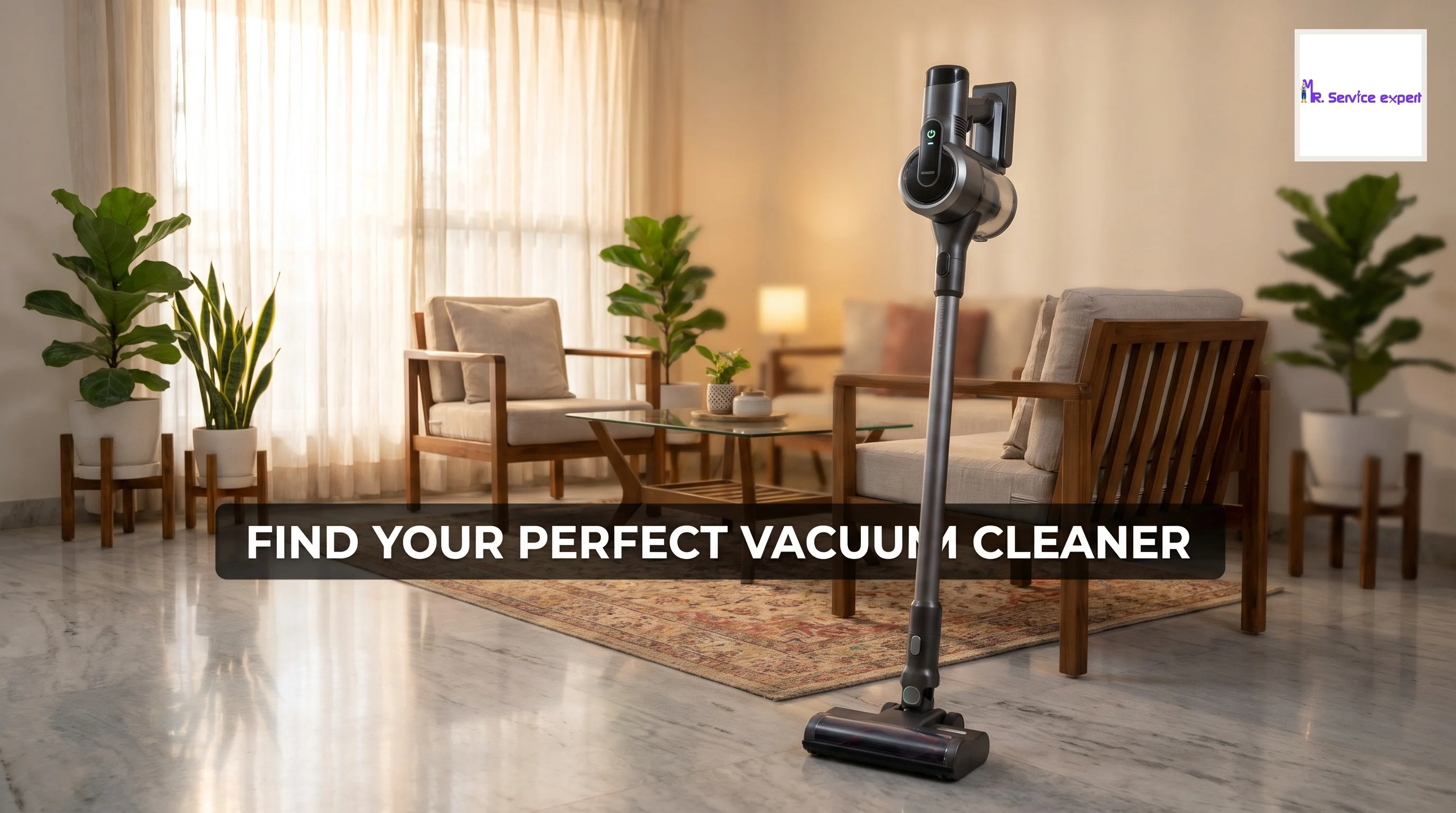
Choosing the Right Vacuum Cleaner for Your Home
Keeping your home spotless has never been more important, and choosing the right vacuum cleaner for your home can make all the difference between a quick, efficient cleaning session and a frustrating chore. With the Indian market flooded with countless vacuum cleaner models ranging from budget-friendly options to premium high-tech machines, making an informed decision can feel overwhelming. Whether you live in a compact apartment in Mumbai or a spacious villa in Bangalore, the perfect vacuum cleaner exists for your specific needs.
The vacuum cleaner industry in India has evolved dramatically over the past few years, with manufacturers introducing innovative features tailored to Indian households. From dealing with the fine dust that accumulates during dry seasons to managing pet hair and tackling the unique challenges of marble, granite, and traditional Indian flooring, modern vacuum cleaners are designed to handle it all. Understanding your home's specific requirements is the first step in choosing the right vacuum cleaner for your home.
Many homeowners make the mistake of purchasing a vacuum cleaner based solely on price or brand reputation without considering crucial factors like home size, flooring types, and cleaning frequency. This often leads to buyer's remorse and the need for vacuum cleaner repair service within months of purchase. The good news is that with a systematic approach to evaluating your needs and understanding the available options, you can invest in a machine that serves you well for years.
Indian households have unique cleaning challenges that differ from Western homes. Most Indian kitchens generate more dust and require frequent cleaning, while many homes have a mix of flooring types including tiles, marble, carpets, and wooden floors. Additionally, factors like budget constraints, electricity consumption, and storage space play significant roles in the decision-making process for Indian consumers.
This comprehensive guide will walk you through everything you need to know about choosing the right vacuum cleaner for your home, covering different types available in the market, essential features to look for, budget considerations, and maintenance tips to ensure your investment lasts for years. By the end of this article, you will have all the information needed to make a confident, informed purchase decision that perfectly matches your home cleaning requirements.
Understanding Different Types of Vacuum Cleaners
The first major decision when choosing the right vacuum cleaner for your home involves selecting the right type. Each vacuum cleaner category serves different purposes and excels in specific cleaning scenarios. Upright vacuum cleaners stand tall as one of the most popular choices globally, though they have only recently gained traction in Indian markets. These powerful machines work exceptionally well for homes with large carpeted areas, offering deep cleaning capabilities that extract embedded dirt and allergens effectively.
Canister vacuum cleaners feature a separate main unit connected to the cleaning wand via a flexible hose. This design offers superior maneuverability, making them ideal for Indian homes with stairs, tight corners, and multiple rooms. The separate motor unit tends to be quieter than upright models, and the versatile attachments make canister vacuums excellent for cleaning curtains, upholstery, and hard-to-reach areas behind furniture.
Stick vacuum cleaners have revolutionized home cleaning with their lightweight, cordless convenience. Perfect for quick daily cleanups and smaller apartments, these slim machines can easily navigate under beds and furniture. While they typically offer less suction power than their larger counterparts, recent technological advancements have significantly improved their performance, making them viable options for comprehensive home cleaning.
Handheld vacuum cleaners serve as excellent supplementary cleaning tools, ideal for spot cleaning, car interiors, and quick messes. Many Indian households use handheld vacuums for cleaning kitchen counters, dining tables, and sofas after meals. Though not suitable as primary cleaning tools for entire homes, they offer unmatched convenience for targeted cleaning tasks.
Robotic vacuum cleaners represent the cutting edge of cleaning technology, operating autonomously to keep floors clean with minimal human intervention. These smart devices work particularly well for busy professionals and dual-income households, maintaining cleanliness between thorough manual cleaning sessions. While premium-priced, robotic vacuums offer excellent value for those willing to invest in convenience and time savings.
Wet and dry vacuum cleaners handle both dry debris and liquid spills, making them incredibly versatile for Indian households. These machines prove invaluable during monsoon seasons when wet floors are common, and they excel at deep-cleaning tasks like washing cars or cleaning balconies and terraces.
Essential Features to Consider
Suction power stands as the most critical performance indicator when choosing the right vacuum cleaner for your home. Measured in watts or air watts, higher suction power generally translates to better cleaning performance, especially for carpets and embedded dirt. For Indian homes with primarily hard floors, moderate suction power between 1000-1600 watts proves sufficient, while homes with thick carpets benefit from models offering 1800 watts or higher.
Filtration systems deserve serious consideration, particularly for households with allergy sufferers or young children. HEPA filters trap microscopic particles including dust mites, pollen, and bacteria, significantly improving indoor air quality. The Indian climate, with its seasonal dust storms and pollution, makes effective filtration even more valuable. Models with multi-stage filtration systems ensure that the air expelled by the vacuum is cleaner than the air it intakes.
Dustbin capacity directly affects cleaning convenience. Smaller capacities mean frequent emptying, interrupting your cleaning flow and potentially exposing you to dust. For typical Indian homes ranging from 800 to 2000 square feet, a dustbin capacity of 1.5 to 3 liters works well. Larger homes may benefit from 4-liter or bigger capacities to avoid multiple emptying sessions during a single cleaning routine.
Cord length and cordless runtime significantly impact user experience. Corded models with 5-7 meter cables allow cleaning multiple rooms without constantly switching power outlets. Cordless models should offer at least 30-40 minutes of runtime for effective whole-home cleaning, with premium models providing 60 minutes or more. Consider your home layout when evaluating these specifications.
Noise levels matter, especially in apartments with shared walls or homes with small children and elderly family members. Vacuum cleaners producing 70-75 decibels operate at acceptable noise levels, while anything above 80 decibels can be disturbing. Many modern vacuum cleaners feature noise reduction technology that maintains powerful suction while minimizing operational sound.
Weight and maneuverability become crucial for multi-story homes or when cleaning requires carrying the vacuum up and down stairs. Models weighing under 5 kilograms offer easier handling, though ensure the lightweight design does not compromise build quality or suction power. Swivel steering and smooth-rolling wheels enhance maneuverability around furniture and tight spaces.
Matching Vacuum Types to Indian Flooring
Indian homes typically feature diverse flooring materials, each with specific cleaning requirements. Marble and granite floors, common in living rooms and bedrooms, require vacuum cleaners with soft brush attachments to avoid scratching delicate surfaces. Hard floor settings that disable rotating brushes work best, allowing the vacuum to glide smoothly while picking up fine dust particles that settle in the porous surface of natural stone.
Ceramic tiles and vitrified tiles dominate Indian kitchens and bathrooms. These floors accumulate a combination of dry dust and sticky residues from cooking and daily activities. Wet and dry vacuum cleaners excel here, offering the flexibility to handle both routine dry cleaning and occasional wet mopping. Models with specialized hard floor tools prevent dirt from being pushed around rather than collected.
Wooden and laminate flooring requires gentle cleaning to prevent damage from excessive moisture or scratching from rotating brushes. Vacuum cleaners with adjustable suction control and soft brush rolls specifically designed for hard floors work best. Avoid steam features or wet cleaning on wooden floors, as moisture can cause warping and permanent damage.
Carpeted areas, whether wall-to-wall carpeting or area rugs, need powerful suction and rotating brush rolls to dislodge embedded dirt and dust mites. Deep pile carpets benefit from upright vacuum cleaners with motorized brush bars, while low-pile carpets and dhurries clean effectively with canister models featuring turbo brush attachments. Adjustable height settings ensure optimal contact between the brush and carpet surface.
Many Indian homes combine multiple flooring types within the same living space. For such scenarios, choosing the right vacuum cleaner for your home means selecting a versatile model with multiple cleaning modes and attachments. Multi-surface vacuum cleaners automatically adjust suction and brush bar speed based on floor type, offering convenience and optimal cleaning performance across different surfaces.
Traditional Indian flooring like kotah stone, shahabad stone, or terrazzo requires special attention. These porous materials trap fine dust particles that ordinary sweeping cannot remove. Vacuum cleaners with strong suction and crevice tools effectively extract dirt from the tiny pores and gaps, maintaining the natural beauty of these traditional materials.
Budget Considerations and Price Ranges
Understanding the Indian vacuum cleaner market's price structure helps set realistic expectations when choosing the right vacuum cleaner for your home. Entry-level vacuum cleaners priced between INR 2,000 to 5,000 include basic handheld models and simple stick vacuums suitable for small apartments or as secondary cleaning tools. These budget options offer acceptable performance for light daily cleaning but may lack durability and advanced features.
Mid-range vacuum cleaners, priced from INR 5,000 to 15,000, represent the sweet spot for most Indian households. This category includes reliable canister vacuums, decent cordless stick vacuums, and multi-purpose wet and dry models. These machines balance performance, features, and affordability, typically offering HEPA filtration, multiple attachments, and adequate suction power for thorough home cleaning.
Premium vacuum cleaners ranging from INR 15,000 to 40,000 provide advanced features like superior filtration systems, longer cordless runtimes, powerful motors, and enhanced durability. This segment includes high-end upright vacuums, advanced robotic cleaners, and professional-grade wet and dry vacuums. For larger homes or those seeking top-tier performance and convenience, premium models justify their higher price tags.
Luxury robotic vacuum cleaners and specialized models can exceed INR 40,000, offering cutting-edge technology like smart mapping, app control, automatic dirt disposal, and advanced obstacle detection. While expensive, these models provide exceptional convenience for busy households willing to invest in automated cleaning solutions.
Beyond the initial purchase price, factor in ongoing costs like replacement filters, bags for bagged models, and potential vacuum cleaner servicing expenses. Bagless models eliminate bag costs but require regular filter cleaning and occasional replacement. Calculate the total cost of ownership over the vacuum's expected lifespan, typically 5-7 years for quality models, to make informed financial decisions.
Consider warranty coverage when evaluating prices. Reputable manufacturers offer 1-2 year comprehensive warranties covering motor and parts replacement. Extended warranty options, though adding to upfront costs, provide peace of mind and protection against unexpected repair expenses. Some brands also offer buyback or exchange programs that can reduce the effective cost of upgrading to newer models.
Performance Comparison Across Popular Categories
| Vacuum Type | Suction Power | Best For | Price Range (INR) | Runtime/Cord | Maintenance |
|---|---|---|---|---|---|
| Upright | High | Carpeted homes, large areas | 8,000-25,000 | Corded, unlimited | Moderate |
| Canister | Medium-High | Multi-surface, stairs | 6,000-20,000 | Corded, unlimited | Low |
| Stick Cordless | Medium | Quick cleaning, small homes | 5,000-30,000 | 30-60 minutes | Low |
| Handheld | Low-Medium | Spot cleaning, cars | 2,000-8,000 | 15-30 minutes | Very Low |
| Robotic | Medium | Automated daily cleaning | 10,000-60,000 | 60-120 minutes | Low |
| Wet & Dry | High | Versatile, all surfaces | 5,000-18,000 | Corded, unlimited | Moderate |
This comparison demonstrates that no single vacuum type excels in all categories. When choosing the right vacuum cleaner for your home, prioritize the factors most relevant to your specific situation. A busy professional living alone in a 600 square foot apartment has vastly different needs compared to a family of five in a 2,500 square foot house with pets and children.
Upright vacuums dominate in raw cleaning power and carpet care but sacrifice portability and convenience. Canister models offer the best balance of power and versatility, explaining their popularity in Indian markets. Cordless stick vacuums trade some suction power for unmatched convenience and ease of use, making them increasingly popular among urban consumers.
The maintenance requirements also vary significantly. Robotic vacuums and cordless stick models typically require minimal upkeep beyond emptying dustbins and occasional filter cleaning. Upright and canister vacuums with bags need regular bag replacement, while bagless models require more frequent filter maintenance. Wet and dry vacuums demand thorough drying after wet cleaning to prevent mold and odor development.
Special Considerations for Indian Households
Pet ownership significantly influences vacuum cleaner selection. Indian households increasingly welcome pets, creating unique cleaning challenges with pet hair, dander, and occasional accidents. Specialized pet vacuum cleaners feature tangle-free brush rolls, enhanced suction for embedded hair, and superior filtration to capture allergens. If your home includes furry family members, prioritize models specifically designed for pet hair removal.
Family size and composition matter when choosing the right vacuum cleaner for your home. Larger families generate more dirt, requiring vacuum cleaners with bigger dustbin capacities and higher durability. Households with young children benefit from models with washable filters and easy-to-empty dustbins that minimize contact with collected dirt. Elderly family members may prefer lightweight, easy-to-maneuver options.
Storage space availability often gets overlooked but significantly impacts daily usage. Compact Indian apartments may struggle to accommodate bulky upright vacuums, making slimline stick models or canister vacuums with compact storage more practical. Consider whether you have dedicated storage space like utility closets or if the vacuum needs to fit in bedroom corners or kitchen cabinets.
Power backup and voltage fluctuations, common in many Indian cities, affect vacuum cleaner performance and longevity. Models with voltage protection circuits prevent damage from power surges, while cordless vacuums remain unaffected by electricity fluctuations. In areas with frequent power cuts, cordless models or those compatible with inverters offer uninterrupted cleaning capability.
Climate considerations influence maintenance and performance. Humid coastal regions may face issues with moisture accumulation in dustbins and filters, requiring more frequent cleaning and drying. Areas with high dust and pollution levels benefit from vacuum cleaners with superior filtration systems and larger dustbins that handle the increased debris volume.
Household help availability affects the ideal vacuum type. Homes with regular domestic help may prefer simpler, more durable models that can withstand less careful handling, while those doing self-cleaning might invest in feature-rich, user-friendly options. Training domestic workers to properly use and maintain vacuum cleaners ensures longevity and optimal performance.
Maintenance and Longevity Tips
Regular maintenance dramatically extends vacuum cleaner lifespan and maintains optimal performance. Empty dustbins after each use or when they reach three-quarters capacity, preventing reduced suction and motor strain. This simple habit takes mere seconds but significantly impacts cleaning efficiency and machine longevity. For bagged models, replace bags before they become completely full to maintain airflow and suction power.
Filter maintenance represents the most critical upkeep task. Wash or clean filters according to manufacturer recommendations, typically every 2-4 weeks for households with regular vacuum usage. Allow filters to dry completely before reinstalling to prevent mold growth and motor damage. Replace disposable filters as recommended, usually every 3-6 months, to maintain optimal filtration and suction performance.
Inspect and clean brush rolls regularly to remove tangled hair, threads, and debris that reduce cleaning effectiveness. Many modern vacuum cleaners feature removable brush rolls for easy maintenance. Use scissors to carefully cut away tangled fibers, taking care not to damage the bristles. This maintenance task proves especially important for homes with pets or long-haired family members.
Check hoses and attachments periodically for blockages that reduce suction power. Remove any lodged debris using a broom handle or flexible cleaning tool. Inspect hoses for cracks or damage that allow air leakage, replacing damaged components promptly to maintain optimal performance.
Store your vacuum cleaner in a clean, dry location away from direct sunlight and moisture. Proper storage prevents dust accumulation on the machine itself and protects electrical components from humidity damage. Wind cords loosely rather than tightly to prevent internal wire damage, and store attachments together to avoid loss.
Schedule professional vacuum cleaner service annually or as recommended by the manufacturer. Professional technicians can identify and address potential issues before they become major problems, extending your machine's lifespan significantly. A qualified Vacuum cleaner technician can perform deep cleaning, motor maintenance, and component replacement that goes beyond regular home maintenance.