
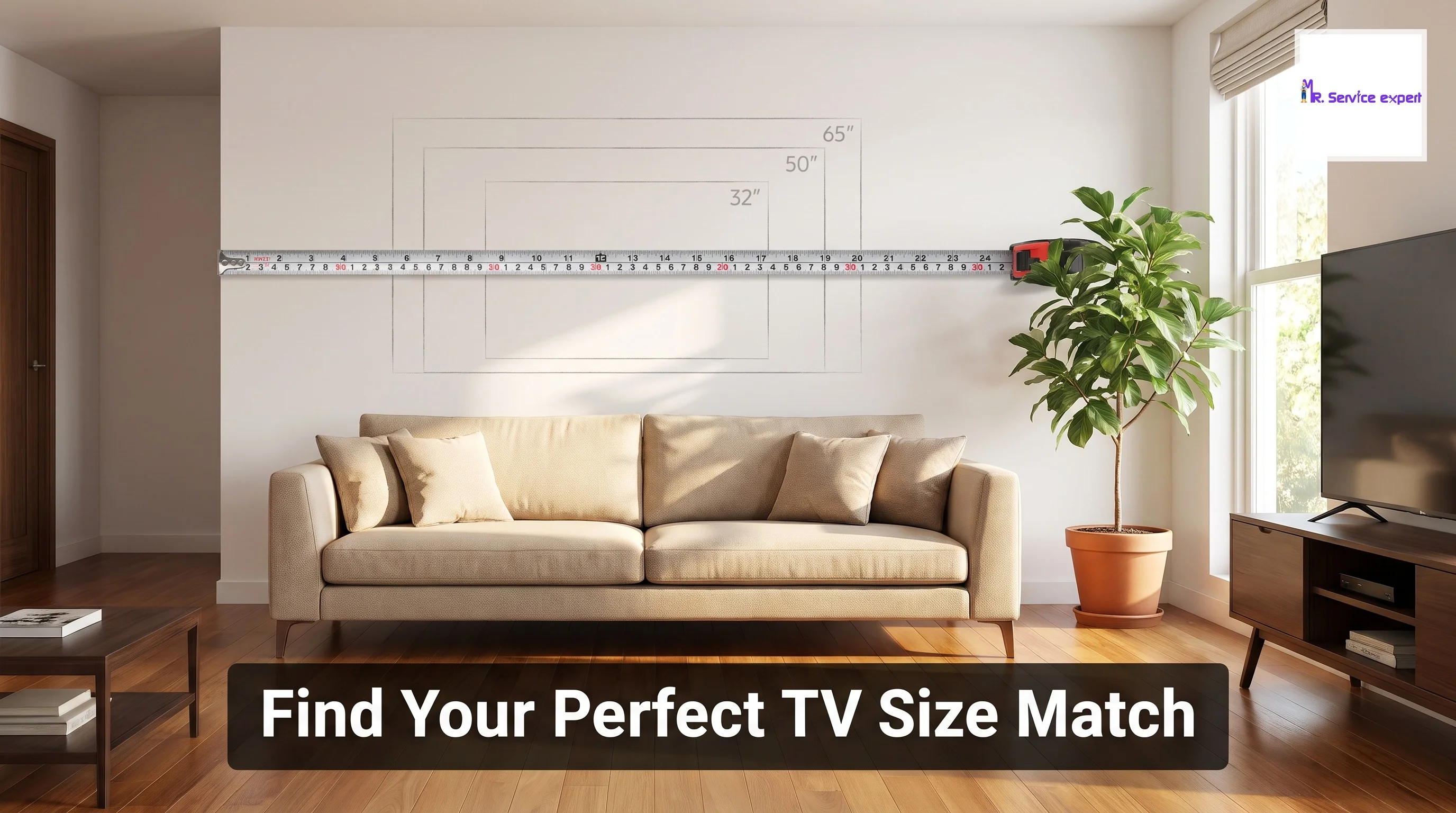
How to Choose the Right LED/Smart TV Size
Choosing the perfect television for your home isn't just about picking the flashiest model on display. The best LED TV size depends on several factors like your room dimensions, seating arrangement, viewing habits, and budget. Many Indian households end up with TVs that are either too small to enjoy or too large for comfortable viewing. Getting this decision right ensures you maximize your entertainment experience without straining your eyes or wasting money on unnecessary screen real estate.
The television market in 2026 offers an overwhelming range of options, from compact 32-inch models to massive 85-inch displays. Whether you're watching cricket matches, binge-watching web series, or streaming movies, the right screen size makes all the difference. This smart TV buying guide will walk you through the essential considerations for selecting a television that perfectly fits your space and needs.
Beyond just the purchase decision, understanding proper sizing also helps you plan for future requirements like LED TV installation service and potential TV screen repair needs. A well-chosen television becomes a long-term investment that serves your family for years. Let's dive into the key factors that determine which screen size works best for your home.
Indian living rooms vary greatly in size, from compact apartments in metro cities to spacious homes in suburban areas. Your television size should complement your space, not overwhelm it. This comprehensive guide covers everything from measuring your room to understanding resolution requirements, ensuring you make an informed decision.
Understanding the Viewing Distance Formula
The most important factor when selecting the best LED TV size is the distance between your seating area and where the TV will be mounted or placed. Gone are the days when sitting too close to the screen was harmful—modern LED and smart TVs are designed for closer viewing, especially with higher resolutions.
For standard HD TVs (1080p), the recommended viewing distance is approximately 1.5 to 2.5 times the diagonal screen size. However, for 4K Ultra HD televisions, which are now standard in 2026, you can sit much closer—around 1 to 1.5 times the screen size—without noticing individual pixels. This means a 55-inch 4K TV can be comfortably viewed from as close as 4.5 feet away.
Here's a practical viewing distance guide for different screen sizes:
| TV Screen Size | Minimum Distance (4K) | Recommended Distance (HD) |
|---|---|---|
| 32 inches | 2.5 feet | 4 feet |
| 43 inches | 3.5 feet | 5.5 feet |
| 50 inches | 4 feet | 6.5 feet |
| 55 inches | 4.5 feet | 7 feet |
| 65 inches | 5.5 feet | 8.5 feet |
| 75 inches | 6 feet | 10 feet |
To measure your viewing distance accurately, sit in your usual watching position and measure the straight-line distance to where your TV will be positioned. Don't guess—use an actual measuring tape. This simple step prevents the common mistake of buying a TV that's too large or too small for your space.
Room Size and Layout Considerations
Your room dimensions play a crucial role in determining the appropriate television size. A 65-inch TV might look stunning in a showroom but could overwhelm a small 10x12 feet bedroom. Similarly, a 43-inch screen might get lost in a spacious 20x15 feet living room.
For small rooms like bedrooms (10x10 to 12x12 feet), a 32 to 43-inch TV works perfectly. These compact sizes provide excellent viewing experiences without dominating the space. Medium-sized living rooms (12x15 to 15x18 feet) are ideal for 50 to 55-inch televisions, offering that cinematic feel while maintaining comfort.
Large living rooms and family spaces (18x20 feet and above) can easily accommodate 65 to 75-inch screens. If you have a dedicated home theater room, you might even consider 75-inch or larger displays. The key is ensuring the TV doesn't look out of proportion with your furniture and room aesthetics.
Consider the mounting height as well. Whether you're planning a professional installation or doing it yourself, the center of the screen should be at eye level when seated. For wall-mounted TVs, this typically means the bottom of the screen should be about 24 to 36 inches from the floor, depending on your furniture height.
Resolution and Screen Technology Impact
The resolution of your television significantly affects how close you can sit and which size makes sense. In 2026, 4K resolution has become the standard even for mid-range models, with 8K starting to appear in premium segments. Higher resolution means more pixels packed into the screen, resulting in sharper images even at closer distances.
For screens 43 inches and above, investing in 4K resolution is essential. The difference in picture quality is noticeable, especially when streaming high-definition content or watching sports. For smaller screens like 32 inches, Full HD (1080p) still provides adequate quality and keeps costs down.
Smart TV features have also become standard across most size ranges. These internet-connected televisions offer streaming apps, voice control, and integration with smart home devices. When following this smart TV buying guide, prioritize models with updated operating systems and regular software support, as these ensure your TV remains functional and secure for years.
Screen technology matters too. LED TVs with edge lighting are thinner and more affordable, while those with led tv technician-recommended local dimming or full-array backlighting offer better contrast. QLED and OLED technologies provide superior picture quality but come at premium prices. Your choice should balance budget with viewing requirements.
Budget and Long-term Maintenance Factors
Television prices in India vary significantly based on size, brand, and features. As of 2026, you can expect to pay approximately:
- 32-inch LED TVs: ?12,000 to ?25,000
- 43-inch Smart TVs: ?22,000 to ?40,000
- 50-55 inch 4K TVs: ?35,000 to ?70,000
- 65-inch Premium Models: ?65,000 to ?1,50,000
- 75-inch and above: ?1,20,000 to ?3,00,000
Remember that the initial purchase price is just one component. Factor in costs for Smart Tv repairing, warranty extensions, and potential TV screen repair down the line. Larger screens naturally cost more to repair if issues arise. Having access to a reliable led tv repair service becomes more important as screen sizes increase.
Extended warranties make sense for larger, more expensive models. A three or five-year warranty provides peace of mind, especially considering that panel replacement can cost 60-70% of the TV's original price. Regular maintenance through a qualified technician helps identify issues early and extends your television's lifespan.
Consider energy consumption as well. Larger TVs consume more electricity, though modern LED technology is quite efficient. A 55-inch LED TV typically uses 80-120 watts, while a 75-inch model might consume 150-200 watts. Over years of use, this difference adds up on your electricity bills.
Making Your Final Decision
Choosing the best LED TV size requires balancing multiple factors rather than following a single rule. Start by measuring your viewing distance and room size, then shortlist appropriate screen sizes using the guidelines above. Visit showrooms to view different sizes in person—this helps you visualize how they'll look in your home.
Don't forget to check for a reliable Smart tv technician near me before purchasing. Having local support for installation and potential repairs saves significant hassle. Read online reviews about service quality in your area, as good after-sales support varies widely across regions.
Test the TV's smart features in the showroom. Navigate the interface, open apps, and check response times. Since smart TVs receive regular software updates, choosing models from manufacturers known for long-term support ensures your investment remains current.
Finally, consider future-proofing. While a 43-inch TV might fit your current needs, will a 50 or 55-inch better serve you over the next five to seven years? Viewing habits evolve, content quality improves, and what seems large today becomes standard tomorrow. Slightly oversizing within your space constraints often proves wiser than undersizing.
Conclusion
Selecting the right television size isn't complicated when you follow a systematic approach. Measure your viewing distance, assess your room dimensions, understand resolution requirements, and balance your budget with long-term costs. The best LED TV size for your home perfectly matches these factors while leaving room for future needs.
Remember that this smart TV buying guide provides general recommendations—personal preferences matter too. Some people prefer larger screens for that immersive experience, while others prioritize subtle integration with their décor. Visit showrooms, compare options, and trust your instincts alongside these technical guidelines.
Whether you need installation after purchase or eventually require TV screen repair, choosing the right size from the start ensures years of viewing satisfaction. Take your time with this decision, as a well-chosen television becomes the entertainment centerpiece of your home for many years to come.
Discover how viewing distance, room layout, and screen resolution work together to determine your ideal TV size. Learn more about the relationship between seating arrangements and display dimensions, understand why bigger isn't always better, and explore expert-recommended formulas that help match screen size to your specific space and viewing preferences for the most comfortable experience.