
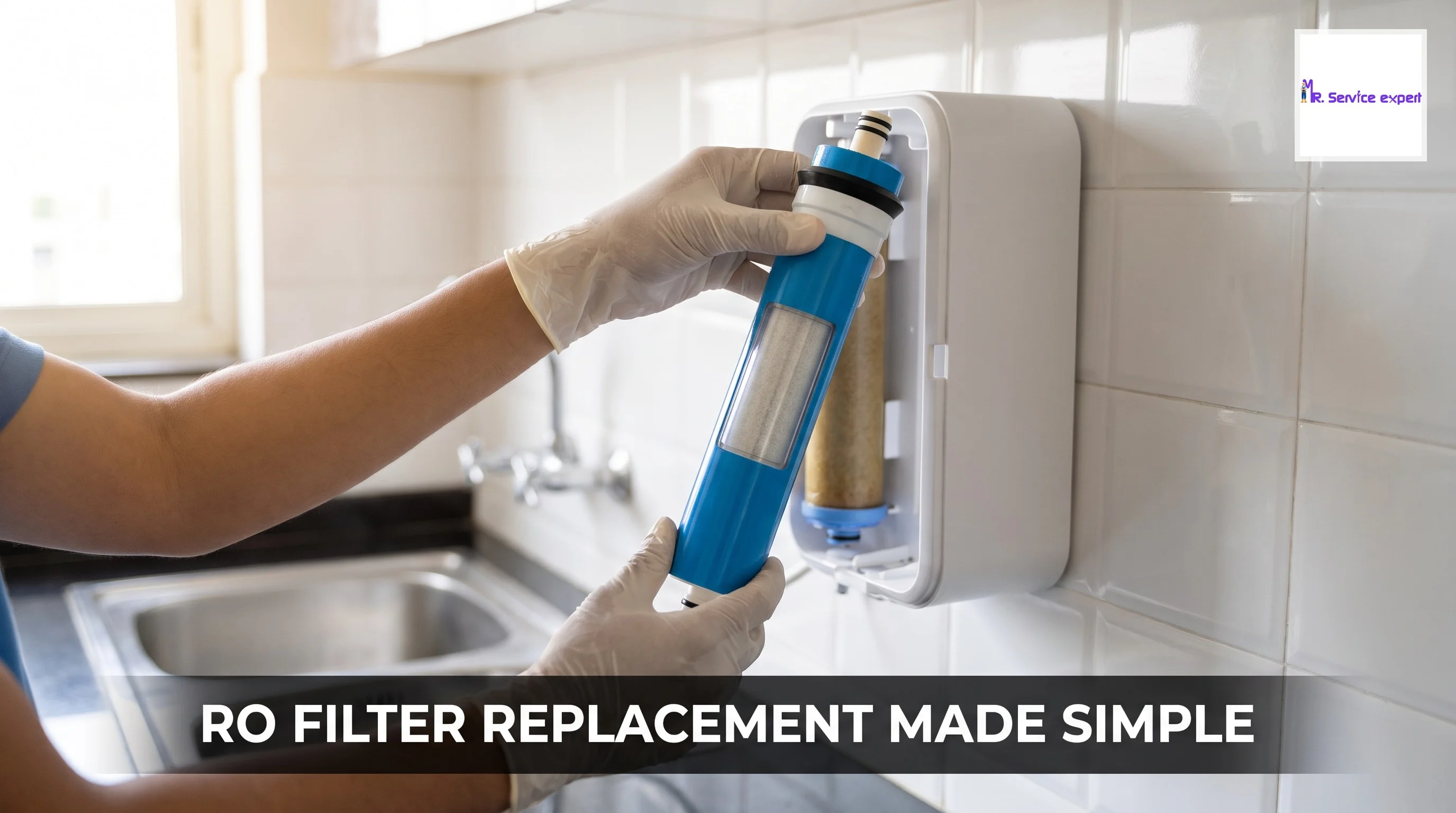
RO Filter Replacement: A Complete Guide
Water is life, and in India, where water quality varies dramatically from region to region, ensuring access to clean drinking water has become a top priority for every household. Reverse osmosis water purifiers have emerged as the most trusted solution for removing harmful contaminants, dissolved salts, and microorganisms from tap water. However, many homeowners overlook a critical aspect of maintaining their RO systems—timely RO filter replacement. Just like any sophisticated machine, your RO purifier requires regular maintenance and filter changes to function optimally and deliver safe drinking water.
The filters in your RO purifier act as the first line of defense against impurities, and over time, they accumulate sediment, chlorine, bacteria, and other pollutants. When filters become saturated or clogged, they lose their effectiveness, compromising both water quality and the lifespan of your purifier. Understanding when and how to perform an RO purifier filter change can save you from potential health risks and expensive repairs down the line. This comprehensive guide will walk you through everything you need to know about maintaining your RO system through proper filter replacement.
Whether you are a first-time RO purifier owner or someone looking to understand the maintenance requirements better, this guide covers all essential aspects. From identifying the different types of filters in your system to recognizing warning signs that indicate replacement is due, we have got you covered. Many Indian households struggle with questions about replacement frequency, costs, and whether to opt for professional services or DIY approaches.
The Indian water purification market has grown exponentially, with millions of households now relying on RO technology for their daily water needs. Cities like Delhi, Mumbai, Bangalore, Chennai, and Kolkata face unique water quality challenges, making regular RO filter service even more critical. Hard water, high total dissolved solids levels, and seasonal variations in water quality all impact how frequently your filters need changing.
This guide provides detailed insights into the complete RO filter replacement process, helping you make informed decisions about your water purifier maintenance. By the end of this article, you will understand the technical aspects of filter replacement, know exactly when your filters need changing, and be equipped with practical tips to extend the life of your RO system while ensuring your family always has access to pure, safe drinking water.
Understanding Your RO Purifier Filter System
An RO water purifier is not just a single filter but a sophisticated multi-stage filtration system designed to remove different types of contaminants at each level. Most RO purifiers in India contain between four to seven stages of filtration, with each stage serving a specific purpose in the purification process. The pre-filtration stages typically include sediment and carbon filters that remove larger particles, chlorine, and organic compounds before water reaches the RO membrane—the heart of the system.
The sediment filter, usually the first stage in the filtration process, traps dirt, sand, rust, and other particulate matter. This filter prevents debris from reaching and potentially damaging the more delicate RO membrane. Made from spun polypropylene or pleated polyester, sediment filters come in various micron ratings, typically ranging from one to fifty microns. In areas with heavily contaminated municipal water or borewell supplies, sediment filters bear the brunt of the initial contamination load and require more frequent replacement.
The carbon filter stage removes chlorine, volatile organic compounds, pesticides, and substances that affect the taste and odor of water. Activated carbon filters work through adsorption, where contaminants stick to the carbon surface. Some systems use granular activated carbon while others employ carbon block filters, with the latter generally providing better filtration. The carbon stage is crucial because chlorine can damage the RO membrane, making this filter essential for protecting your system investment.
The RO membrane represents the most critical and expensive component requiring replacement. This semi-permeable membrane allows water molecules to pass through while blocking dissolved salts, heavy metals, bacteria, viruses, and other microscopic contaminants. RO membranes typically last eighteen to twenty-four months under normal usage conditions, but this lifespan varies significantly based on input water quality and total dissolved solids levels. High TDS levels accelerate membrane degradation, necessitating earlier replacement in regions with extremely hard water.
Post-filtration stages often include an activated carbon filter that polishes the water, removing any residual taste or odor before it reaches your glass. Some advanced RO systems incorporate additional stages like ultrafiltration, UV sterilization, or mineral cartridges that add essential minerals back into the purified water. Understanding each component helps you appreciate why regular RO filter replacement cannot be ignored and why each filter type has different replacement schedules based on its specific function and workload.
Signs Your RO Filters Need Replacement
Recognizing when your RO purifier needs filter replacement prevents health risks and system damage. The most obvious indicator is a noticeable change in water taste—if your purified water suddenly tastes different, chlorinated, or slightly salty, the filters have likely exceeded their capacity. Taste changes indicate that contaminants are passing through exhausted filters instead of being trapped, compromising the safety of your drinking water.
Reduced water flow or slow purification speed signals filter clogging. When sediment and carbon filters become saturated with contaminants, water struggles to pass through, dramatically reducing production rates. If filling a glass that normally takes ten seconds now takes thirty seconds or more, your pre-filters definitely need changing. Persistent low flow even after cleaning the storage tank indicates deeper filtration issues requiring immediate attention and potential RO filter replacement service.
Cloudiness or haziness in purified water represents a serious warning sign that should never be ignored. Clear water should be crystal transparent; any visible cloudiness suggests the RO membrane may be damaged or the post-filtration carbon filter has failed. Sometimes, tiny air bubbles create temporary cloudiness that disappears within seconds, but persistent turbidity indicates filter failure. Testing your water with a TDS meter can confirm whether dissolved solids are passing through—a reading significantly higher than expected means urgent RO purifier filter change is required.
Unusual odors emanating from purified water indicate that the carbon filters have reached saturation and can no longer remove organic compounds and chlorine effectively. Some describe the smell as musty, earthy, or chlorine-like. These odors not only make water unpleasant to drink but also suggest potential contamination with organic matter that exhausted filters cannot remove. Never ignore odor changes, as they often precede more serious water quality degradation.
Physical inspection of filters during routine maintenance reveals accumulation of sediment, discoloration, or visible damage. If you can access your filters for visual inspection, brown or rust-colored sediment filters, blackened carbon filters, or any signs of algae growth indicate immediate replacement is necessary. Many modern RO purifiers include filter change indicators or LED alerts that track usage and remind owners when replacement is due, making it easier to stay on top of maintenance schedules without constant manual checking.
Step-by-Step RO Filter Replacement Process
Performing an RO filter replacement requires basic tools and careful attention to avoid leaks or damage to your system. Before beginning, gather necessary supplies including replacement filters specific to your purifier model, a filter wrench or spanner, towels to catch water spillage, and a bucket. Always purchase genuine filters compatible with your RO purifier brand and model, as counterfeit or incompatible filters compromise performance and may damage your system. Check your user manual for specific filter part numbers and replacement instructions.
The first critical step involves shutting off the water supply to the RO system by closing the inlet valve, usually located at the feed water connection. Next, turn off the storage tank valve to prevent backflow during filter replacement. Release system pressure by opening the RO faucet and allowing any remaining water in the system to drain completely. This depressurization step prevents water from spraying when you open filter housings, making the replacement process cleaner and safer.
Remove the old sediment filter by unscrewing the filter housing using the filter wrench provided with your system. Some housings twist off by hand, while others require a specialized wrench for leverage. As you unscrew the housing, water will drain out, so position your bucket underneath to catch spillage. Once removed, discard the old sediment filter and inspect the housing for cracks, sediment buildup, or damage. Clean the housing thoroughly with clean water before inserting the new sediment filter, ensuring the rubber O-ring is properly seated to prevent leaks.
The carbon filter replacement follows a similar process—shut off water, depressurize, remove the housing, discard the old filter, clean the housing, and install the new carbon filter. Pay special attention to the direction of water flow indicated by arrows on the filter housing or the filter itself. Installing filters backward reduces effectiveness and can damage your system. After securing the housing, hand-tighten firmly but avoid over-tightening, which can crack plastic housings or damage threads.
RO membrane replacement requires extra care as this component is more delicate and expensive. Access the membrane housing, typically located after the pre-filters. Remove the housing cap, carefully pull out the old membrane using the provided clips or tools, and slide the new membrane into place with the O-rings facing the correct direction. Some membranes have protective caps that must be removed before installation. After replacing all filters, turn on the water supply slowly, checking each connection for leaks. Open the storage tank valve, then run the system through several cycles, discarding the first few tanks of water to flush out any carbon fines or manufacturing residues from new filters. This flushing process, though wasteful, ensures your first drinking water is completely clean and safe.
Filter Replacement Costs and Frequency
Understanding the costs associated with RO filter replacement helps you budget for ongoing maintenance and avoid surprise expenses. In India, filter replacement costs vary significantly based on purifier brand, filter quality, and whether you choose DIY replacement or professional service. A complete filter replacement set, including sediment, carbon, and membrane filters, typically ranges from fifteen hundred to five thousand rupees depending on the brand and filter specifications.
Individual pre-filters cost considerably less than the complete set. Sediment filters range from two hundred to five hundred rupees, while carbon filters cost between three hundred and seven hundred rupees for genuine branded products. The RO membrane represents the most significant expense, typically priced between one thousand to three thousand rupees for quality membranes from reputable manufacturers. Post-carbon filters and mineral cartridges add another three hundred to six hundred rupees to your replacement costs.
Professional service charges depend on the service provider and your location. Authorized brand service centers typically charge between five hundred to fifteen hundred rupees for labor, plus the cost of filters. Independent service technicians may offer competitive rates, sometimes bundling service charges with filter costs for annual maintenance contracts. Many homeowners find professional service worthwhile despite higher costs because technicians provide comprehensive system inspection, sanitization, and warranty on their work.
Replacement frequency directly impacts your annual maintenance budget. Sediment and pre-carbon filters require replacement every six to twelve months depending on water quality and usage. In areas with high sediment content or turbid water, quarterly replacement may be necessary to protect the RO membrane. The RO membrane typically lasts twelve to twenty-four months, with lifespan heavily influenced by input water TDS levels. Water with TDS above one thousand parts per million accelerates membrane degradation, requiring more frequent replacement.
Usage patterns also affect replacement schedules. A family of four consuming fifteen to twenty liters of purified water daily will exhaust filters faster than a couple using eight to ten liters daily. Manufacturers provide estimated lifespans based on average usage, but actual replacement needs vary. Keeping a maintenance log noting filter change dates and water quality readings helps predict future replacement needs and optimize your maintenance schedule. Many households find that investing in quality filters and timely replacement actually reduces long-term costs by preventing expensive RO filter repair needs and extending overall system lifespan.
Comparison of Filter Types and Specifications
| Filter Type | Primary Function | Lifespan | Replacement Cost (INR) | Key Features |
|---|---|---|---|---|
| Sediment Filter | Removes dirt, sand, rust, particles | 6-12 months | 200-500 | Available in 1-50 micron ratings, polypropylene construction |
| Pre-Carbon Filter | Removes chlorine, odor, organic compounds | 6-12 months | 300-700 | Granular or block carbon, protects RO membrane |
| RO Membrane | Removes dissolved salts, heavy metals, microorganisms | 12-24 months | 1000-3000 | 75-100 GPD capacity, TDS rejection rate 90-98 percent |
| Post-Carbon Filter | Polishes water, removes residual taste | 12-18 months | 300-600 | Coconut shell carbon, final purification stage |
| UV Lamp | Kills bacteria, viruses through ultraviolet light | 12 months | 800-1500 | Requires annual replacement regardless of usage |
| Mineral Cartridge | Adds essential minerals back into RO water | 12 months | 400-800 | Contains calcium, magnesium, beneficial minerals |
DIY Versus Professional RO Filter Replacement Service
Deciding between self-replacement and professional service depends on your technical confidence, available time, and system complexity. DIY RO filter replacement offers significant cost savings, as you only pay for filters without service charges. For mechanically inclined individuals with basic tools and patience, self-replacement is straightforward, especially for standard under-sink RO systems with easily accessible filter housings. Online video tutorials specific to your purifier model provide step-by-step visual guidance, making the process less intimidating for first-timers.
However, DIY replacement carries certain risks. Improper installation can lead to leaks, cross-threading of filter housings, or reversed filter orientation that reduces purification effectiveness. Without proper sanitization of the system during filter replacement, bacterial contamination can occur, compromising water safety. Many homeowners attempting DIY replacement discover that filter housings have seized due to mineral buildup, requiring specialized tools or excessive force that may damage components. These situations often result in emergency calls to professionals, ultimately costing more than hiring a technician initially.
Professional service provides peace of mind through expert handling and comprehensive maintenance. Trained technicians bring experience dealing with stubborn housings, proper sanitization procedures, and system diagnostics that identify potential issues before they become major problems. Service visits typically include checking all connections, testing water pressure, measuring TDS levels, sanitizing the entire system, and ensuring optimal performance. This thorough approach catches problems early, potentially saving you from costly repairs or premature system replacement.
The warranty consideration also influences this decision. Many RO purifier manufacturers void warranties if unauthorized individuals or non-genuine parts are involved in maintenance. Using professional authorized service maintains your warranty coverage while ensuring access to genuine replacement filters. For expensive or advanced RO systems with UV purification, mineral enhancement, or smart features, professional service becomes even more advisable as these systems involve electrical components and sophisticated technology requiring specialized knowledge.
A middle-ground approach works well for many households—handle simple pre-filter replacements yourself while hiring professionals for membrane replacement and annual comprehensive service. This strategy balances cost savings with professional expertise where it matters most. Whichever route you choose, never skip RO purifier filter change to save money, as the health risks and potential system damage far outweigh the modest cost of regular maintenance.
Extending Filter Life and Optimizing Performance
Maximizing the lifespan of your RO filters through smart practices reduces maintenance frequency and costs while ensuring consistent water quality. The most effective strategy involves pre-treating heavily contaminated input water before it enters the RO system.
Discover how timely RO filter replacement can extend your purifier's lifespan by up to 50% and maintain water purity levels above 95%. Learn more about the specific replacement schedules for sediment filters, carbon blocks, and RO membranes based on your water quality and usage patterns. Explore further into understanding warning signs like reduced water flow, strange taste, or unusual odors that indicate immediate filter attention, helping you protect your family's health while optimizing your water purifier's performance and efficiency.