
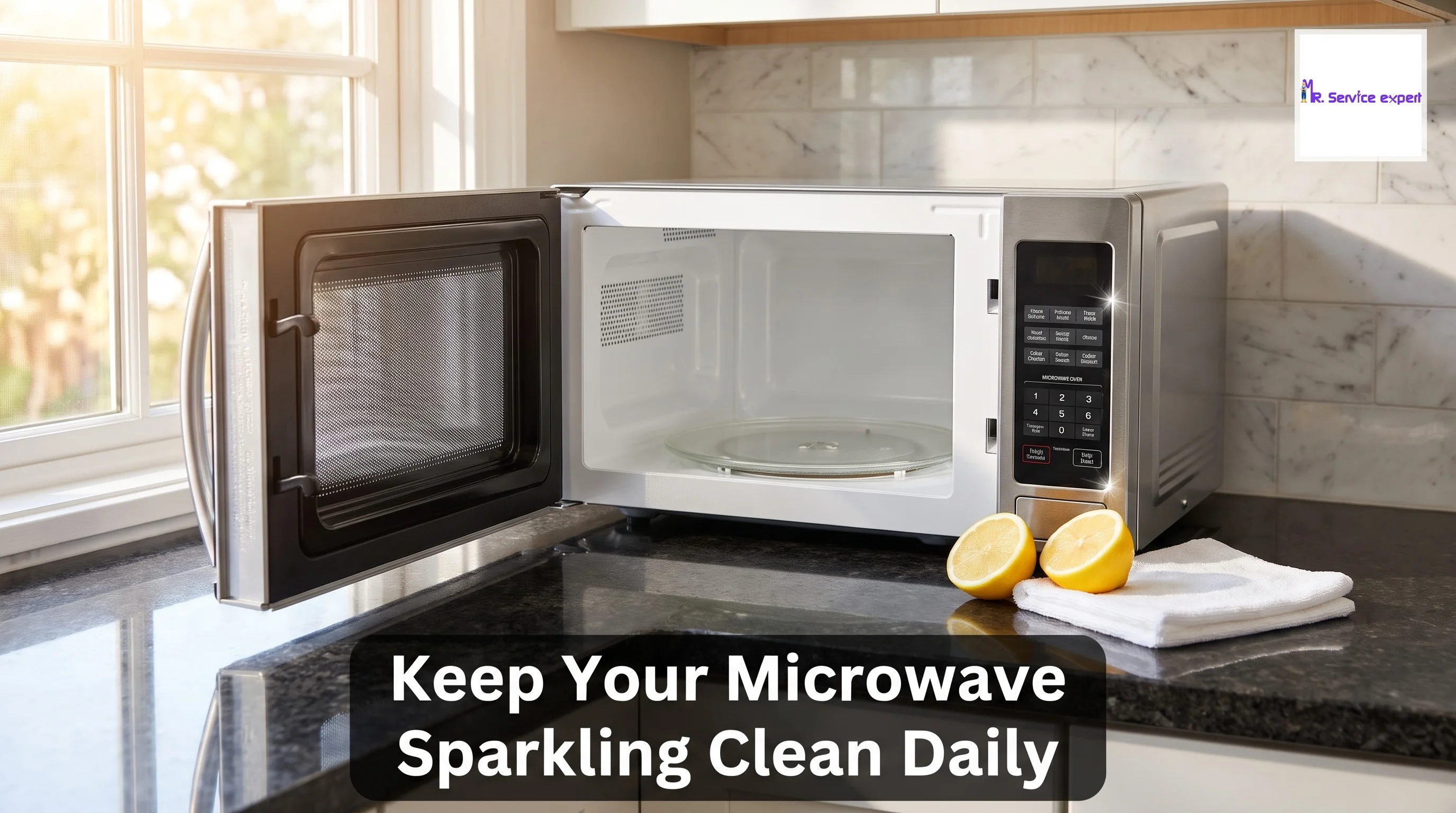
How to Clean and Maintain Your Microwave Oven
A microwave oven has become an indispensable kitchen companion in millions of Indian households, transforming the way we cook, reheat, and defrost food. Yet despite its daily use, this hardworking appliance often receives minimal care and attention until something goes wrong. Regular microwave oven cleaning and proper microwave oven maintenance can significantly extend your appliance's lifespan, improve its performance, and ensure food safety for your family. Whether you're dealing with stubborn food splatters, mysterious odors, or concerned about hygiene, understanding the right cleaning techniques and maintenance practices will save you money on costly repairs and keep your microwave functioning like new for years.
Most Indian kitchens see their microwave ovens working overtime, from reheating yesterday's dal to making quick breakfast idlis or warming up chai multiple times a day. This constant use inevitably leads to grease buildup, food particle accumulation, and sometimes unpleasant smells that can affect the taste of your food. The good news is that maintaining a clean microwave doesn't require expensive cleaners or professional services for routine care. With simple household ingredients like lemon, vinegar, and baking soda, you can tackle even the toughest stains and keep your appliance sparkling clean.
Beyond aesthetics, proper microwave oven maintenance directly impacts your appliance's efficiency and safety. A dirty microwave works harder to heat food, consuming more electricity and potentially shortening its operational life. Accumulated grease and food particles can also become fire hazards or breeding grounds for bacteria. In India, where power fluctuations and voltage issues are common in many areas, taking care of your microwave becomes even more critical to prevent electrical problems and ensure consistent performance.
Many homeowners overlook the importance of regular maintenance until they face issues like uneven heating, strange noises, or complete breakdowns requiring Microwave repair services. By investing just 10-15 minutes weekly in microwave oven cleaning and following monthly maintenance routines, you can avoid most common problems. This proactive approach not only keeps your kitchen hygienic but also maintains your appliance's resale value and prevents the need for frequent microwave oven service calls.
This comprehensive guide will walk you through everything you need to know about cleaning and maintaining your microwave oven effectively. From daily quick wipes to deep cleaning methods, from troubleshooting common issues to knowing when to call a Microwave Oven technician, we've covered practical tips specifically tailored for Indian households. Whether you have a basic solo microwave or a high-end convection model, these maintenance practices will help you get the most out of your investment.
Understanding Your Microwave Oven Components
Before diving into microwave oven cleaning techniques, it's essential to understand the key components that require regular attention. The interior cavity is where most visible dirt accumulates from food splatters and steam condensation. This stainless steel or ceramic-coated surface needs frequent wiping to prevent stain buildup. The turntable and its support ring often collect food drips and crumbs, making them prime spots for bacterial growth. The door seal or gasket is a critical component that ensures proper sealing and prevents microwave radiation leakage, requiring gentle cleaning to maintain its integrity.
The exterior surfaces, including the control panel, door handle, and sides, accumulate fingerprints, grease, and dust, especially in busy Indian kitchens where cooking involves various spices and oils. The air vents located on the sides or back need periodic cleaning to ensure proper ventilation and prevent overheating. Some models have grease filters that trap cooking fumes, particularly important in grill and convection microwaves. Understanding these components helps you develop a systematic cleaning routine that addresses every part effectively.
The magnetron, though internal and not requiring direct cleaning, benefits from overall microwave oven maintenance as accumulated grease can affect its efficiency. The waveguide cover, a small mica or plastic panel inside the cavity, protects the magnetron from food splatters and should never be scrubbed harshly as damage can require microwave oven fixing by professionals. Knowing which parts you can safely clean yourself and which require expert attention saves you from accidental damage and potential safety hazards.
Daily and Weekly Microwave Oven Cleaning Routines
Establishing a consistent daily microwave oven cleaning habit prevents stubborn buildup and makes deep cleaning sessions much easier. After each use, especially when heating oil-based or sauce-heavy Indian dishes like curry or gravy, wipe the interior with a damp cloth to remove fresh splatters before they harden. This simple 30-second practice prevents stains from baking onto surfaces during subsequent heating cycles. Keep a microfiber cloth or paper towels near your microwave specifically for this purpose, making the habit easier to maintain.
For weekly maintenance, remove the turntable and support ring for thorough washing with dish soap and warm water. These components can be cleaned in your sink like regular dishes, but avoid using abrasive scrubbers that might scratch the surface. While these parts are removed, wipe the cavity floor thoroughly, paying attention to the center spindle area where food particles often accumulate. This weekly routine takes about five minutes but dramatically reduces the need for intensive scrubbing later.
The exterior surfaces require weekly attention as well, particularly the door handle which experiences constant contact. Use a damp cloth with mild dish soap to wipe the control panel, being careful not to let water seep into button gaps. For stainless steel exteriors common in modern microwaves, wipe in the direction of the grain to avoid streaks and maintain the finish. Don't forget the top surface where dust accumulates, and the sides which might have grease splatters from nearby cooking activities. A comprehensive weekly cleaning routine keeps your microwave looking presentable and functioning optimally.
Natural Cleaning Methods Using Household Ingredients
Indian households have access to powerful natural cleaning agents that work exceptionally well for microwave oven cleaning without harsh chemicals. The lemon-water steam method is highly effective and leaves a fresh citrus scent. Cut a lemon in half, squeeze the juice into a microwave-safe bowl filled with one cup of water, drop the lemon halves in, and microwave on high for three minutes. The steam loosens dried food particles and grease while the lemon's natural acidity cuts through grime. Let it sit for five minutes before opening the door, then wipe everything down effortlessly.
Vinegar provides another excellent natural cleaning solution, particularly effective against stubborn stains and odors. Mix equal parts white vinegar and water in a microwave-safe container, heat for five minutes, and let the steam work its magic. The acetic acid in vinegar dissolves grease and neutralizes odors without leaving harmful residues. This method is especially useful after cooking pungent foods like fish or garlic-heavy dishes common in Indian cooking. After steaming, wipe all surfaces with a clean cloth, and the vinegar smell dissipates quickly, leaving your microwave fresh.
Baking soda serves as a gentle abrasive for tougher stains that steam alone cannot remove. Create a paste with baking soda and water, apply it to stubborn spots, and let it sit for 10-15 minutes before gently scrubbing with a soft cloth. This method works wonders on the door interior and corners where food tends to cake on. For persistent odors, place an open box of baking soda inside the microwave overnight to absorb smells. These natural methods are safe for food-contact surfaces, cost-effective, and environmentally friendly alternatives to commercial cleaners.
Deep Cleaning Techniques for Stubborn Stains and Odors
Despite regular microwave oven cleaning, some situations demand more intensive attention. Burnt food incidents, common when reheating dry items like rotis or parathas without proper covering, leave black carbon deposits that require special treatment. For these tough spots, create a baking soda paste and apply it generously to the affected areas. Let it sit for at least 20 minutes to soften the burnt residue before gently scrubbing with a non-abrasive sponge. Never use metal scrubbers or sharp objects that can damage the interior coating and potentially cause arcing during operation.
Grease buildup from cooking oily Indian snacks like samosas or pakoras in grill microwaves requires degreasing treatment. Commercial kitchen degreasers work well, but for a natural alternative, heat a bowl of water with dish soap and a tablespoon of baking soda for three minutes. The soapy steam penetrates grease layers, making them easier to wipe away. For convection microwave models with heating elements, ensure these parts are cool before cleaning and avoid getting them excessively wet, as moisture can affect electrical components requiring microwave oven service.
Persistent odors that survive regular cleaning might indicate food particles trapped in hard-to-reach areas like the air vents or behind the waveguide cover. While you shouldn't remove or clean behind the waveguide cover yourself, you can address vent odors by wiping accessible parts with a vinegar solution. If smells persist despite thorough microwave oven cleaning, they might indicate mold growth or component issues requiring a microwave oven technician inspection. Coffee grounds, activated charcoal, or vanilla extract left overnight can neutralize odors temporarily, but identifying and eliminating the source remains essential for long-term freshness.
Essential Microwave Oven Maintenance Practices
Beyond cleaning, comprehensive microwave oven maintenance involves several practices that ensure optimal performance and longevity. Monthly inspection of the door seal should be part of your routine, checking for cracks, tears, or food particles lodged in the seal that prevent proper closing. A compromised door seal allows microwave radiation to leak and reduces heating efficiency. Clean the seal gently with a damp cloth, never pulling or stretching it. If you notice damage, schedule microwave repair promptly as continued use with a faulty seal poses safety risks.
Ventilation maintenance is crucial, especially in Indian kitchens where microwaves often operate in humid conditions. Ensure air vents remain unobstructed by keeping at least three inches of clearance on all sides and avoiding placing items on top of the microwave. Monthly, use a vacuum cleaner with a brush attachment to remove dust from vent openings, which prevents overheating and extends component life. For built-in or over-the-range models, check that exhaust systems function properly and clean grease filters according to the manufacturer's guidelines.
Electrical safety checks form another important aspect of microwave oven maintenance. Inspect the power cord regularly for fraying, cuts, or burn marks that could indicate electrical problems. Ensure the plug fits snugly in the outlet without sparking or overheating. In areas experiencing frequent power fluctuations, consider using a voltage stabilizer to protect your microwave's sensitive electronics. If you notice the circuit breaker tripping when using the microwave, dimming lights during operation, or burning smells, immediately discontinue use and consult a microwave oven technician. Addressing electrical issues early prevents major component failures and potential fire hazards.
Best Practices for Daily Microwave Oven Use
How you use your microwave daily significantly impacts its maintenance needs and lifespan. Always cover food while heating to prevent splatters that create cleaning challenges. Use microwave-safe lids, plates, or paper towels, but avoid plastic wraps that touch food surfaces as they might melt. This simple practice reduces post-use cleanup time dramatically and keeps the interior cleaner. When reheating Indian foods with high oil content, covering becomes even more critical as oils splatter more extensively when heated.
Never run your microwave empty, as this can damage the magnetron, the most expensive component requiring microwave oven fixing by professionals. The magnetron needs food or liquid to absorb the microwave energy; without absorption, the energy reflects back, potentially causing permanent damage. Similarly, avoid heating sealed containers or whole eggs that can explode due to pressure buildup, creating massive cleaning jobs and potentially damaging interior components. When heating liquids, place a wooden skewer or spoon in the container to prevent superheating and sudden boiling over.
Understanding proper power levels and cooking times prevents overheating that causes food to burn onto surfaces. For reheating leftovers, use medium power settings which heat more evenly and reduce splatter compared to high power. Defrost settings prevent uneven heating that leaves some portions cooking while others remain frozen. Regular rotation of food items, even in turntable models, ensures even heating and prevents hot spots that can cause container warping or food explosions. These usage practices complement your microwave oven cleaning efforts and minimize wear on components.
When to Call a Professional Microwave Oven Technician
While most microwave oven cleaning and basic maintenance tasks are DIY-friendly, certain situations require professional expertise. If your microwave produces unusual noises like loud humming, grinding, or buzzing sounds that persist beyond normal operation, this indicates internal component issues that need a microwave oven technician evaluation. Sparking or arcing inside the cavity, beyond the normal minimal sparking from metal traces in dishware, suggests waveguide cover damage or magnetron problems requiring immediate professional attention to prevent fire hazards.
Performance issues like uneven heating where some areas of food remain cold while others burn, significantly increased heating times, or the turntable not rotating indicate mechanical or electrical problems beyond simple maintenance. If your microwave trips circuit breakers, shows error codes, or the control panel becomes unresponsive, these electrical issues need microwave oven service from qualified technicians. Never attempt to open the microwave casing yourself, as high-voltage components inside can retain dangerous electrical charges even when unplugged, posing serious injury risks.
Sometimes, persistent odors or smoke during operation despite thorough microwave oven cleaning indicate burnt internal components or wiring issues. Physical damage like a cracked door, broken hinges, or a door that doesn't close securely requires professional microwave repair as these affect both safety and functionality. When deciding between repair and replacement, consider the appliance's age and repair costs relative to new microwave prices in 2026. Generally, if repair costs exceed 50 percent of a new comparable model's price, replacement makes more economic sense. A qualified microwave oven technician can provide honest assessments and cost estimates to help you make informed decisions.
Common Microwave Problems and Preventive Maintenance
Understanding common microwave issues helps you implement preventive microwave oven maintenance strategies. Turntable problems, including failure to rotate or unusual grinding noises, often result from food debris under the turntable or on the support ring roller. Regular removal and cleaning of these components prevent most turntable issues. If cleaning doesn't resolve rotation problems, the turntable motor might need replacement by a microwave oven technician, though this is relatively inexpensive compared to other repairs.
Door latch problems frequently develop over time, causing the microwave not to start or stopping mid-cycle. This often results from accumulated dirt in the latch mechanism or misalignment from forceful door closing. Gentle cleaning around the latch area with a cotton swab and ensuring you close the door firmly but not forcefully extends latch life. If the door requires excessive force to close or doesn't click properly, schedule microwave oven service before the latch fails completely, which would render the appliance unusable until repaired.
Interior light bulb failures are normal after extended use and easily replaceable in most models, though the process varies by manufacturer. Consult your user manual for specific instructions or have a microwave oven technician replace it during routine service. Keypad responsiveness issues might result from moisture or grease infiltration, emphasizing the importance of keeping the exterior clean and dry. For convection microwave models, heating element problems may develop, requiring professional microwave oven fixing as these involve high-voltage components and specialized knowledge.