
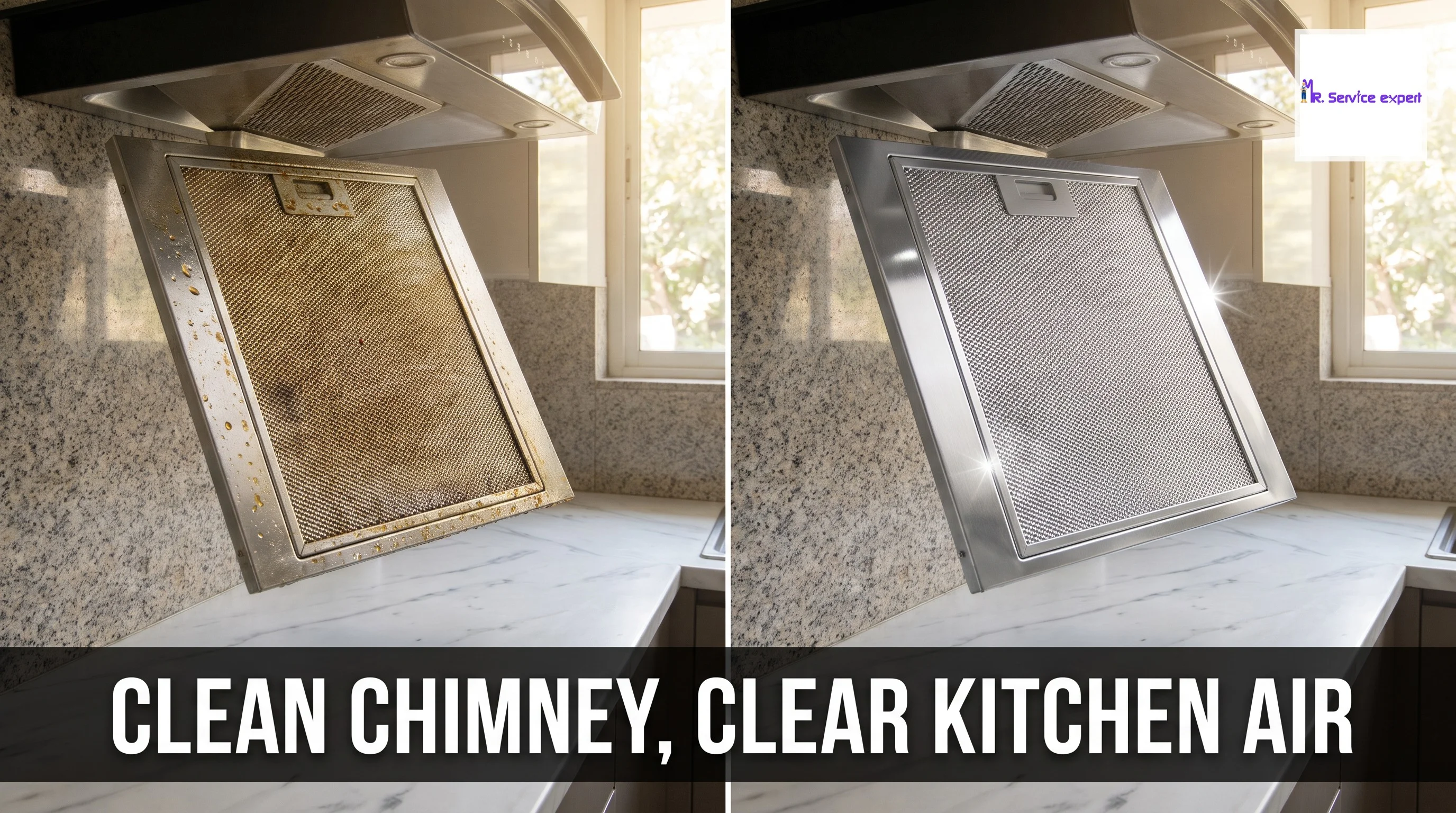
Kitchen Chimney Cleaning: DIY vs Professional Service
Walking into your kitchen and noticing greasy residue on your walls, despite having a chimney installed? Feeling frustrated when smoke refuses to clear even though your kitchen chimney is running at full speed? These are telltale signs that your chimney needs serious attention. The modern Indian kitchen has evolved tremendously, with modular designs and sophisticated appliances becoming the norm rather than the exception. Among these, the kitchen chimney stands as an unsung hero, silently protecting your walls from oil splatters and your lungs from harmful smoke. However, just like any hardworking appliance, your chimney accumulates grease, oil particles, and dust over time, leading to reduced efficiency and potential health hazards.
The question that haunts most homeowners is whether to roll up their sleeves and tackle chimney filter cleaning themselves or call in professionals to handle the job. This decision impacts not just your wallet but also the longevity and performance of your appliance. With kitchen chimney servicing cost varying significantly between DIY approaches and professional interventions, understanding the complete picture becomes essential. Many households notice their chimney suction power low after months of usage, only to discover that a thorough cleaning could have prevented the problem entirely.
The Indian cooking style, rich in spices and oil-based preparations, puts extra strain on kitchen chimneys compared to Western cooking methods. From tadkas to deep-fried pakoras, our culinary traditions generate substantial amounts of airborne grease that settles stubbornly on chimney filters and internal components. This unique challenge makes regular maintenance not just recommended but absolutely necessary. Ignoring this aspect can lead to fire hazards, reduced air quality, and eventually, expensive repairs or replacements.
This comprehensive guide will walk you through everything you need to know about maintaining your kitchen chimney. We will explore both DIY cleaning methods that save money and professional services that guarantee thorough results. By the end, you will have a clear understanding of when to grab your cleaning supplies and when to dial that kitchen chimney technician. We will also break down the actual costs involved, helping you make an informed decision that suits your budget, schedule, and technical confidence.
Whether you are dealing with a baffle filter, cassette filter, or charcoal filter chimney, this article covers practical solutions for every type. Understanding the difference between surface cleaning and deep cleaning will empower you to maintain your appliance efficiently throughout the year.
Understanding Your Kitchen Chimney and When It Needs Cleaning
Before diving into cleaning methods, recognizing the signs that your chimney requires attention saves you from bigger problems down the line. The most obvious indicator is visible grease accumulation on the filters, which you can spot by simply looking up at your chimney. If the metallic surface appears coated with a sticky, brownish layer, your filters are overdue for cleaning. Another clear sign is reduced suction power, where smoke lingers in your kitchen even when the chimney runs at maximum speed.
Strange noises coming from the chimney motor indicate that grease buildup is affecting the internal components. This happens when oil particles travel beyond the filters and coat the blower blades, causing imbalance and unusual sounds. Additionally, if you notice grease dripping from the chimney onto your stovetop, this represents a serious maintenance failure that needs immediate attention. Such drips not only create mess but also pose fire risks when they come in contact with open flames.
The frequency of cleaning depends heavily on your cooking habits. Families that cook three meals daily with generous oil usage should clean their chimney filters every two to three weeks. For moderate cooking households, monthly cleaning suffices for baffle and cassette filters. However, charcoal filters, which cannot be cleaned, require replacement every four to six months depending on usage intensity.
Different filter types demand different maintenance approaches. Baffle filters, made of multiple curved panels, excel at trapping grease and allow for easy cleaning without replacement. Cassette filters, featuring multiple layers of aluminum mesh, also permit washing but tend to lose efficiency faster than baffle filters. Charcoal filters, designed for ductless chimneys, absorb odors and cannot be washed, requiring periodic replacement instead.
Seasonal factors also influence cleaning frequency. During wedding seasons or festivals when cooking intensity increases dramatically, even monthly maintenance might prove insufficient. Monsoon humidity can make grease stickier and harder to remove, while summer heat sometimes makes grease slightly easier to dislodge. Understanding these patterns helps you plan your chimney maintenance calendar more effectively.
DIY Chimney Filter Cleaning Methods and Techniques
Taking the DIY route for chimney filter cleaning offers significant cost savings and allows you to maintain your appliance on your own schedule. The most popular method among Indian households involves using common kitchen ingredients like baking soda, vinegar, and dishwashing liquid. Start by carefully removing the filters from your chimney, following the manufacturer's instructions to avoid damaging the clips or housing. Place these filters in a large vessel or sink filled with hot water.
Add two cups of baking soda and one cup of white vinegar to the hot water, creating a powerful degreasing solution. Let the filters soak for at least two hours, though overnight soaking works even better for heavily soiled filters. The chemical reaction between baking soda and vinegar breaks down grease molecules, making them easier to scrub away. After soaking, use a soft-bristle brush or old toothbrush to gently scrub the filter surfaces, paying special attention to corners and crevices where grease accumulates stubbornly.
For extremely greasy filters that resist the baking soda treatment, caustic soda provides a more aggressive solution. However, exercise extreme caution when handling caustic soda as it can burn skin and damage surfaces. Wear thick rubber gloves, protective eyewear, and work in a well-ventilated area. Mix one tablespoon of caustic soda powder in five liters of boiling water in a large metal container, never plastic. Submerge the filters completely and let them soak for just thirty minutes, as longer exposure can corrode the metal.
The dishwashing liquid method offers a gentler alternative suitable for regular maintenance rather than deep cleaning. Fill your sink or a large tub with the hottest water your tap provides, add half a cup of concentrated dishwashing liquid, and immerse the filters. Let them soak for three to four hours, occasionally agitating the water to enhance cleaning action. This method works best when you maintain a consistent cleaning schedule and prevent excessive grease buildup.
Steam cleaning represents another effective DIY approach that requires minimal chemicals. Boil a large pot of water on your stovetop and hold the greasy filter sections above the steam for several minutes. The hot steam softens the grease, which you can then wipe away with a cloth or soft sponge. This method proves particularly useful for light to moderate grease accumulation and leaves no chemical residue on your filters.
After cleaning the filters through any method, rinse them thoroughly with clean water to remove all traces of cleaning agents. Shake off excess water and allow them to air dry completely before reinstalling. Installing damp filters can cause electrical issues and promotes rust formation on metal components. While the filters dry, wipe down the chimney exterior and the area around the filter housing with a damp cloth to remove surface grease and dust.
Professional Chimney Deep Cleaning Services Explained
Professional chimney deep cleaning goes far beyond what typical DIY methods can achieve. When you hire a technician, they bring specialized tools, industrial-grade degreasers, and expertise to dismantle components that homeowners typically cannot access safely. The service usually begins with a thorough inspection of your chimney to assess the extent of grease buildup and identify any mechanical issues affecting performance.
Professionals remove not just the filters but also the blower assembly, motor housing, and ductwork when applicable. This comprehensive approach addresses the root cause when your chimney suction power low, as grease often accumulates on blower blades and internal surfaces that DIY cleaning cannot reach. Using high-pressure steam cleaners and specialized degreasers, technicians can restore your chimney to near-original performance levels.
The professional chimney deep cleaning process typically takes two to three hours, depending on your chimney size and condition. Technicians lay protective covers on your kitchen platform to prevent mess and carefully document any parts they remove. They clean each component separately, ensuring that grease deposits from years of cooking get thoroughly eliminated. Many services also include basic servicing like lubricating the motor bearings and checking electrical connections for safety.
One significant advantage of professional services is their ability to identify potential problems before they cause breakdowns. During cleaning, technicians can spot worn-out components, loose electrical connections, or damaged ductwork that might escape notice during DIY maintenance. This preventive aspect often saves money in the long run by avoiding costly repairs or premature replacements.
Professional services also handle the disposal of grease and cleaning chemicals responsibly, which can be challenging for homeowners. The industrial degreasers used by professionals are more potent than household cleaners but require proper disposal to avoid environmental harm. Additionally, many professional cleaning services offer warranties on their work, giving you peace of mind that the job was done correctly.
The convenience factor cannot be overlooked either. Instead of spending your weekend scrubbing greasy filters, you can have professionals handle everything while you focus on other activities. For working professionals or elderly homeowners, this convenience justifies the kitchen chimney servicing cost involved in hiring experts.
Kitchen Chimney Servicing Cost: Complete Breakdown
Understanding the financial aspect of chimney maintenance helps you budget appropriately and choose between DIY and professional options. DIY chimney filter cleaning costs primarily involve cleaning supplies, which remain remarkably affordable. A box of baking soda costs around 40 to 60 rupees, white vinegar bottles range from 50 to 100 rupees, and a good quality dishwashing liquid runs about 150 to 250 rupees. These supplies last for multiple cleaning sessions, making the per-cleaning cost negligible.
If you opt for caustic soda for heavy-duty cleaning, expect to spend approximately 50 to 80 rupees for 500 grams, which provides enough for several cleaning sessions. Soft-bristle brushes cost between 30 to 100 rupees and remain usable for years. Therefore, your total initial investment for DIY cleaning supplies rarely exceeds 500 rupees, and subsequent cleanings cost practically nothing as you use existing supplies.
Professional chimney cleaning service rates vary significantly based on your location, chimney type, and service scope. In metropolitan cities like Mumbai, Delhi, Bangalore, and Pune, basic filter cleaning services start from 300 to 500 rupees. This typically includes removing, cleaning, and reinstalling the filters without dismantling internal components. Mid-tier services ranging from 600 to 1000 rupees include more thorough external cleaning and basic inspection of visible components.
Comprehensive professional chimney deep cleaning, which involves complete dismantling, internal cleaning, and servicing, costs between 1200 to 2500 rupees in major cities. This premium service addresses everything from blower blades to motor housing and often includes minor repairs and adjustments. In tier-two cities like Jaipur, Lucknow, Coimbatore, and Visakhapatnam, these prices drop by approximately 20 to 30 percent, making professional services more accessible.
Annual maintenance contracts offered by many service providers present another cost consideration. These packages typically include three to four cleaning sessions per year and cost between 2500 to 4500 rupees annually. The per-visit cost works out lower than individual service calls, and you enjoy the convenience of scheduled maintenance without having to remember booking appointments.
Here is a detailed cost comparison table for better understanding:
| Service Type | DIY Cost | Professional Cost (Metro) | Professional Cost (Tier-2) |
|---|---|---|---|
| Basic Filter Cleaning | 20-50 rupees | 300-500 rupees | 200-350 rupees |
| Deep Cleaning | 50-100 rupees | 1200-2500 rupees | 800-1800 rupees |
| Annual Maintenance | 200-400 rupees | 2500-4500 rupees | 1800-3500 rupees |
| Emergency Service | 50-100 rupees | 1500-3000 rupees | 1000-2200 rupees |
Additional costs might include replacement parts like worn-out filters, which range from 500 to 2000 rupees depending on your chimney brand and model. Charcoal filter replacements specifically cost between 400 to 1500 rupees per set. Some premium chimney models use proprietary filters that cost even more, making professional guidance valuable for sourcing genuine replacements.
Solving Common Problems: When Chimney Suction Power Low
Experiencing reduced suction power frustrates many chimney owners, but understanding the causes helps you address this issue effectively. The primary culprit is grease accumulation on filters and internal components, which restricts airflow and reduces the chimney's ability to pull smoke upward. Even a thin layer of grease can significantly impact performance, which is why regular chimney filter cleaning proves crucial for maintaining optimal suction.
Another common cause involves clogged blower blades inside the chimney motor assembly. As cooking fumes pass through the filters, some oil particles inevitably reach the blower, coating its blades over time. This coating adds weight to the blades, slows their rotation, and reduces air movement. DIY cleaning rarely addresses this issue because accessing the blower requires partial dismantling of the chimney, which is best left to professionals unless you have technical expertise.
Ductwork problems also contribute to chimney suction power low situations, particularly in ducted chimneys that vent outside. Over time, grease accumulates inside the duct pipes, narrowing the passage and restricting airflow. Bends in the ductwork, especially sharp 90-degree angles, create additional resistance to air movement. If your duct runs longer than recommended by the manufacturer, typically more than 10 to 12 feet, suction power naturally decreases regardless of how clean your filters are.
Incorrect chimney size for your cooktop represents another overlooked factor. A chimney should ideally be slightly wider than your cooking range to capture all rising fumes effectively. If your chimney is too small for your stovetop, even a clean, well-functioning unit will seem to have low suction because smoke escapes from the sides before the chimney can pull it up. Similarly, mounting height matters tremendously, with the ideal distance being 26 to 30 inches above the cooktop for most chimneys.
Electrical issues sometimes masquerade as suction problems. If your chimney motor is not receiving adequate power due to loose connections, worn capacitors, or faulty switches, it will not generate sufficient suction regardless of how clean it is. Motor bearings that need lubrication create friction, slowing down blade rotation and reducing performance. These mechanical and electrical issues require professional diagnosis and repair.
To troubleshoot low suction systematically, start by cleaning the filters thoroughly and testing the chimney. If suction improves noticeably, the filters were the problem. If performance remains poor, check the ductwork for visible blockages or damage. Listen carefully to the motor sound, as unusual noises often indicate mechanical problems. Finally, verify that you are using the correct speed setting, as many people unknowingly operate their chimneys on lower speeds and wonder about poor performance.
Making the Right Choice: DIY or Professional Service
Deciding between DIY chimney filter cleaning and hiring professionals depends on multiple factors including your budget, technical confidence, available time, and the current condition of your chimney. For routine maintenance of moderately soiled filters, DIY cleaning offers an economical and practical solution. If you cook regularly but maintain a consistent cleaning schedule every two to four weeks, simple DIY methods using baking soda, vinegar, or dishwashing liquid will keep your chimney functioning efficiently.
However, professional services become necessary when dealing with severe grease buildup that DIY methods cannot tackle, especially if you have neglected cleaning for several months. When you notice persistent performance issues despite cleaning the filters yourself, professional intervention helps identify and resolve deeper problems. Annual or bi-annual professional deep cleaning complements your regular DIY maintenance, ensuring that internal components remain free from grease accumulation.
Consider your technical skills honestly before attempting complex cleaning procedures. While removing and cleaning filters is straightforward, dismantling internal components requires mechanical knowledge and proper tools. Attempting advanced cleaning without expertise can damage delicate parts or void your warranty. For elderly homeowners or those with physical limitations, the labor-intensive nature of DIY cleaning makes professional services a more practical choice.
Time availability also influences this decision. DIY cleaning requires several hours including soaking time, scrubbing, drying, and reinstallation. If your schedule is packed, paying for professional service might be more economical than sacrificing your limited free time. Conversely, if you enjoy hands-on maintenance and have weekends available, DIY cleaning can be satisfying and educational.
A balanced approach often works best for most households: perform DIY filter cleaning monthly or as needed for routine maintenance, and schedule professional deep cleaning once or twice yearly. This combination keeps costs manageable while ensuring thorough maintenance. During professional visits, observe the technician's process and ask questions to improve your DIY techniques for the interim period.
Ultimately, the choice reflects your personal circumstances, preferences, and the specific needs of your chimney. Neither approach is inherently superior; rather, each serves different situations effectively. Understanding both options empowers you to maintain your kitchen chimney optimally, ensuring clean air, efficient performance, and extended appliance life. If you're looking for reliable chimney service in Saharanpur or need a kitchen chimney repair Service, professional technicians can ensure your appliance runs at peak performance throughout the year.