
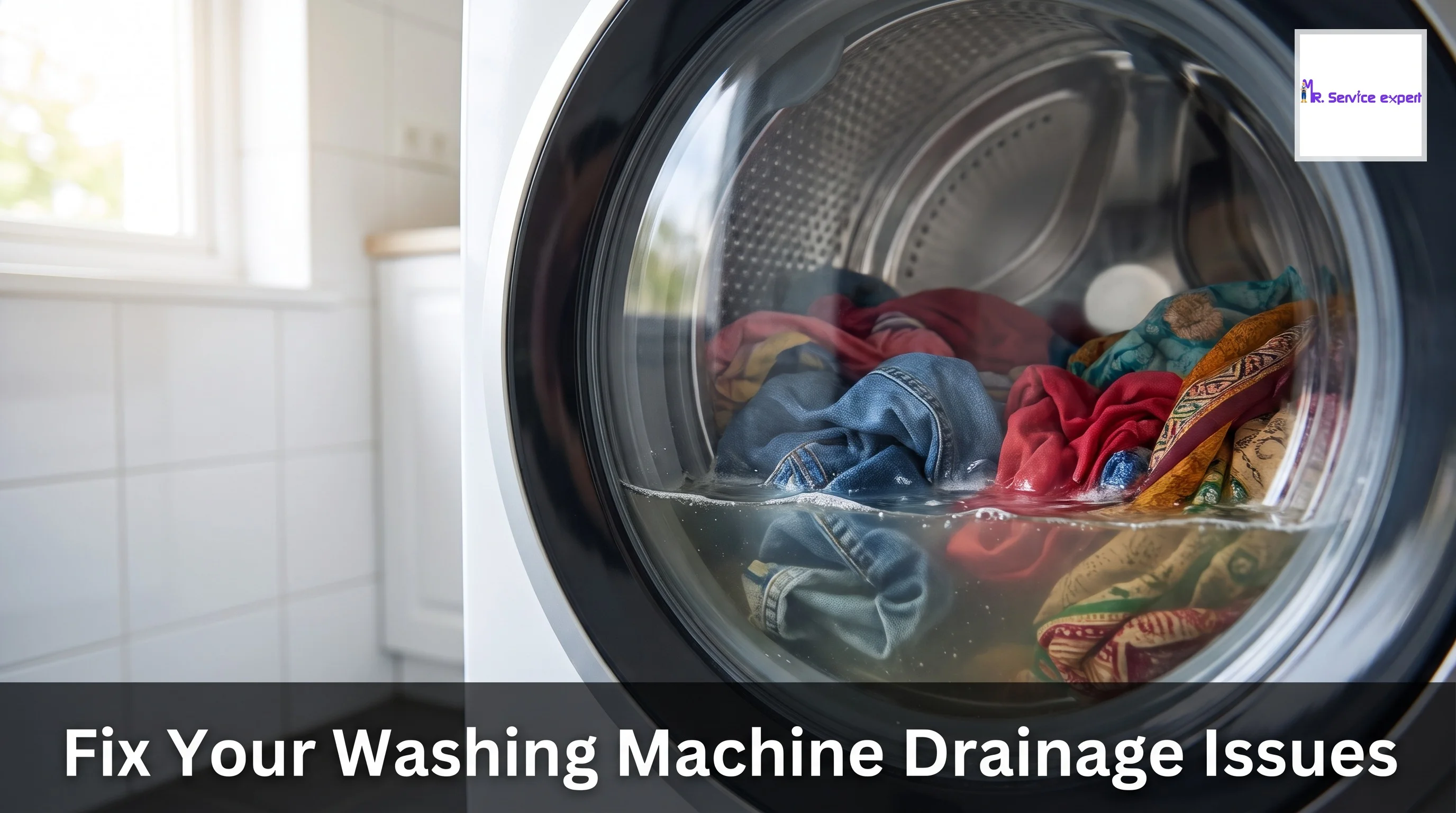
Washing Machine Not Draining Water: Causes and Fixes
There are few household frustrations more annoying than opening your washing machine after a cycle only to find your clothes sitting in a pool of dirty water. When your washing machine drain pump problem strikes unexpectedly, it can disrupt your entire laundry routine and leave you wondering what went wrong. This issue is incredibly common across Indian households, affecting everything from budget-friendly semi-automatic machines to high-end fully automatic front-loaders. Whether you notice water stuck in washing machine drum after the spin cycle or encounter a mysterious washing machine error code flashing on your display, understanding the root causes can save you time, money, and unnecessary stress.
The drainage system is one of the most critical components of any washing machine, responsible for removing dirty water after each wash and rinse cycle. When this system fails, it can lead to standing water, musty odors, and even potential damage to your machine's electronic components. In India, where water quality varies significantly from region to region, drainage problems become even more prevalent due to hard water deposits, debris accumulation, and sediment buildup. Many homeowners across cities like Mumbai, Delhi, Bangalore, and smaller towns face these issues regularly, often unsure whether to attempt a DIY fix or call professional help.
Understanding why your washing machine not draining properly requires looking at several interconnected systems working together. From the drain pump that pushes water out to the drain hose that carries it away, from the filter that catches debris to the pressure switch that signals when drainage is complete—each component plays a vital role. When any part of this system malfunctions, you'll likely encounter drainage problems. Modern machines also come equipped with sophisticated error detection systems that display specific washing machine error code messages to alert you about drainage issues, though deciphering these codes can sometimes feel like cracking a secret language.
The good news is that many drainage problems have simple solutions that homeowners can address themselves without requiring expensive service calls. From cleaning clogged filters to checking kinked hoses, several troubleshooting steps can restore your machine's drainage function quickly. However, some issues do require professional intervention, particularly when dealing with internal pump failures or electronic control board problems. Knowing when to tackle the problem yourself and when to seek expert washing machine repair services can prevent further damage and costly repairs down the line.
This comprehensive guide will walk you through everything you need to know about washing machine drainage issues, from identifying common causes to implementing effective fixes. We'll explore the typical culprits behind drainage failures, decode error messages, provide step-by-step troubleshooting instructions, and help you determine when professional assistance becomes necessary. By the end of this article, you'll have the knowledge and confidence to address most drainage problems and keep your washing machine running smoothly for years to come.
Common Causes of Washing Machine Drainage Problems
Understanding what prevents your washing machine from draining properly is the first step toward fixing the issue. Several factors contribute to drainage failures, ranging from simple blockages to complex mechanical failures.
Clogged drain filters top the list of common culprits. Every washing machine contains a filter designed to catch lint, coins, buttons, and other small objects that come loose during washing. Over time, this filter accumulates debris and can become completely blocked, preventing water from reaching the drain pump. In Indian households where washing often includes heavily soiled clothes, traditional garments with loose threads, and occasionally items with pockets containing forgotten tissues or receipts, filter clogs happen more frequently than many realize.
Blocked or kinked drain hoses represent another widespread cause. The drain hose carries water from your machine to the household drainage system. If this hose develops a kink, gets crushed behind the machine, or accumulates debris inside, water cannot flow freely. Many homeowners unknowingly push their washing machines too close to walls during cleaning or rearranging, inadvertently crushing the drain hose and creating a water stuck in washing machine situation that seems mysterious at first.
Faulty drain pumps cause significant drainage problems. The drain pump is an electrical component with an impeller that actively pushes water out of the machine. After years of use, pump motors can burn out, impellers can crack, or foreign objects can jam the pump mechanism. A washing machine drain pump problem often announces itself through unusual grinding noises, humming sounds without water movement, or complete silence when the drain cycle should activate.
Pressure switch malfunctions can trick your machine into thinking water has drained when it hasn't, or vice versa. This component uses air pressure to detect water levels inside the drum. When the pressure switch fails or its air hose becomes blocked or damaged, the machine receives incorrect information about water levels, leading to incomplete drainage or cycle disruptions.
Incorrect installation or drainage system issues sometimes cause persistent problems. If your drain hose sits too low or too high relative to the machine, it can create siphoning effects or prevent proper drainage. Similarly, if your household drainage system itself is clogged or slow-moving, even a perfectly functioning washing machine cannot drain effectively. Many apartment complexes in Indian cities experience shared drainage issues that manifest as washing machine drainage problems.
Foreign object obstructions within the drainage pathway create sudden blockages. Small items like hairpins, earrings, loose buttons, or even small socks can slip past the filter and lodge in the pump or drain hose. These obstructions might allow partial drainage initially but worsen over time until water flow stops completely.
Decoding Washing Machine Error Codes Related to Drainage
Modern washing machines communicate problems through washing machine error code displays, helping users identify specific issues. Understanding these codes can point you directly toward the drainage problem.
Different manufacturers use various coding systems, but drainage-related errors typically fall into recognizable patterns. Common drainage error codes include E1, E2, E3, 5E, SE, OE, F03, F05, and d02, though exact codes vary by brand. When your machine displays such codes, it's specifically detecting drainage system failures through its sensors and control board.
E1 or OE codes typically indicate that water failed to drain within the expected time frame. The machine attempted to drain but sensors detected remaining water after the drain cycle should have completed. This error commonly points toward clogged filters, blocked hoses, or failing pumps. When you see this washing machine error code, checking these components systematically usually reveals the problem.
5E or SE codes specifically signal drain pump issues. The control board attempted to activate the drain pump but detected electrical problems or mechanical resistance. This error often indicates pump failure, wiring issues, or severe blockages preventing the pump impeller from rotating. Some machines display this code when the pump runs but water doesn't drain, suggesting the pump motor works but the impeller is jammed.
F03 or F05 codes frequently appear on certain brands to indicate drainage problems combined with temperature sensor issues or drain timeout errors. These codes suggest the drainage system isn't functioning within normal parameters, requiring inspection of multiple components including the pump, filter, and hoses.
Understanding your specific machine's error code system requires consulting your user manual or searching online for your exact model and displayed code. Most manufacturers maintain online databases where you can input error codes and receive specific guidance. When dealing with washing machine not draining situations accompanied by error codes, recording the exact code helps service technicians diagnose problems more quickly if professional repair becomes necessary.
Some advanced machines provide more detailed diagnostic information through special service modes accessed by specific button combinations. These modes can reveal additional fault codes, run component tests, and provide deeper insights into what's failing. However, accessing these modes typically requires technical knowledge and should be approached cautiously to avoid accidentally changing critical settings.
Error codes serve as starting points for troubleshooting rather than definitive diagnoses. A drainage error code might result from something as simple as a forgotten garment blocking the drain or as complex as a control board malfunction. Systematic checking of physical components should always accompany error code interpretation to accurately fix a washing machine that won't drain.
Step-by-Step Troubleshooting for Drainage Issues
When faced with water stuck in washing machine drum, following a systematic troubleshooting approach helps identify and resolve the problem efficiently.
Start by ensuring safety. Unplug the washing machine from its electrical outlet before beginning any inspection or repair work. Even though you're dealing with drainage issues rather than electrical problems, water and electricity create dangerous combinations. Additionally, place towels around the machine's base to absorb water that might spill during troubleshooting.
Check the drain filter first, as this causes the majority of drainage problems. Locate your filter—typically behind a small door at the front bottom of front-loading machines or accessible from inside the drum on top-loaders. Place a shallow container beneath the filter area, then slowly unscrew or release the filter cap. Water will likely gush out, so be prepared. Once drained, remove the filter completely and clean away accumulated lint, debris, and foreign objects. Rinse the filter thoroughly under running water, check the filter housing for additional debris, then reinstall securely. Many washing machine drain pump problem situations resolve completely after thorough filter cleaning.
Inspect the drain hose next. Trace the hose from the machine's back to where it connects to your drainage system. Look for kinks, crushes, or obvious damage. Disconnect the hose from both the machine and drainage point if possible, then inspect inside for blockages. You can run water through the hose or use a long flexible brush to clear internal clogs. Pay particular attention to the connection points where debris often accumulates. Ensure the hose isn't inserted too deeply into the standpipe or drainage point, as this can create siphoning issues.
Test the drain pump function by manually activating it. On many machines, you can initiate a drain-only cycle or spin cycle that activates the pump. Listen carefully for pump operation—you should hear a distinct humming or whirring sound when the pump activates. If you hear nothing, the pump motor may have failed. If you hear humming but no water movement, something might be jamming the impeller. Some machines allow direct access to the pump through the filter housing; if possible, manually rotate the impeller to check for free movement and clear any obstructions.
Examine the pressure switch and its air hose. The pressure switch usually sits near the top of the machine, connected to a small diameter air tube leading down to the drum area. Disconnect this tube and blow through it to ensure it's clear. Check the switch itself for proper connection and visible damage. While testing this component completely requires specialized knowledge, ensuring the air tube is clear resolves many washing machine error code issues related to incorrect water level detection.
Verify proper installation and drainage system functionality. Ensure your drain hose maintains the correct height—generally, the drainage point should sit between 60 and 90 centimeters from the floor. Too low allows siphoning that can drain water during filling; too high prevents effective drainage. Additionally, run water directly into your household drainage point to confirm it flows freely. Slow drainage here indicates plumbing issues rather than machine problems.
Check for unusual error code patterns that might indicate electronic control board issues. If your machine displays multiple different error codes, cycles through codes randomly, or shows drainage errors even after you've verified all physical components work correctly, the control board itself might be malfunctioning. This situation requires professional washing machine repair in Deoghar or your local area, as control board diagnosis and replacement exceed typical DIY capabilities.
Types of Drain Pump Problems and Solutions
Washing machine drain pump problem issues manifest in several distinct ways, each requiring specific solutions.
Complete pump motor failure occurs when the electrical motor inside the pump burns out. You'll recognize this by complete silence when the drain cycle should activate—no humming, buzzing, or any sound from the pump area. Testing with a multimeter can confirm electrical continuity issues. Unfortunately, complete motor failure usually requires pump replacement rather than repair. Replacement pumps cost between INR 800 and INR 2500 depending on your machine model, with installation adding another INR 500 to INR 1000 in service charges.
Jammed impeller situations happen when foreign objects lodge in the pump impeller, preventing rotation. The motor attempts to run, producing humming or buzzing sounds, but water doesn't drain. Accessing the pump either through the filter housing or by removing the pump assembly allows you to clear the obstruction. Common culprits include coins, hairpins, small buttons, and sock fragments. Once cleared, the pump typically resumes normal function without requiring replacement.
Damaged impeller blades reduce pump efficiency even when the motor runs. Cracks, breaks, or worn impeller blades can't move water effectively, resulting in slow drainage or partial drainage that leaves water stuck in washing machine drum. Visual inspection during pump access reveals this damage. While some technical users can replace just the impeller, most situations require complete pump assembly replacement for reliable long-term function.
Electrical connection issues affect pump operation intermittently. Loose wiring harness connections, corroded terminals, or damaged wiring can cause sporadic pump failures that seem mysterious. One cycle might drain perfectly while the next fails completely. Carefully inspecting all electrical connections to the pump and ensuring they're clean, tight, and corrosion-free often resolves these issues. Use electrical contact cleaner on terminals and ensure wiring harnesses click firmly into place.
Pump housing cracks or seal failures create leaks rather than complete drainage failure. You might notice water pooling beneath your machine after cycles or dampness around the pump area. These situations require pump replacement, as attempting to seal cracks in plastic pump housings rarely provides lasting solutions.
The following table compares drain pump problems and their typical solutions:
| Problem Type | Symptoms | DIY Solution Possible | Typical Cost Range |
|---|---|---|---|
| Jammed Impeller | Humming sound, no drainage | Yes - remove obstruction | INR 0 (DIY) |
| Motor Failure | Silent, no pump activation | No - requires replacement | INR 1500-3500 |
| Damaged Impeller | Slow or incomplete drainage | Maybe - depends on access | INR 1200-3000 |
| Wiring Issues | Intermittent failures | Yes - reconnect/clean | INR 0-500 |
| Housing Cracks | Leaks during drainage | No - pump replacement | INR 1500-3500 |
| Seal Failure | Moisture/leaks around pump | No - pump replacement | INR 1500-3500 |
Understanding your specific washing machine drain pump problem type helps determine whether DIY repair is feasible or if professional service through Mr Service Expert or another qualified technician becomes necessary.
Preventive Maintenance to Avoid Drainage Problems
Preventing drainage issues proves far easier and cheaper than fixing them after they occur. Implementing regular maintenance practices keeps your washing machine functioning optimally.
Clean your drain filter monthly, or more frequently if you wash heavily soiled items regularly. This simple five-minute task prevents the majority of drainage problems. Make it part of your routine maintenance schedule alongside other household tasks. Keep a small container and towels near your machine specifically for this purpose, making the job quick and convenient.
Check pockets thoroughly before washing. The single most effective prevention strategy involves ensuring all pockets are empty before clothes enter the machine. Tissues, receipts, coins, and small items cause countless blockages that are entirely avoidable. Develop the habit of checking every pocket on every garment—your washing machine will thank you.
Use appropriate detergent quantities according to your machine type and water hardness. Excessive detergent creates more suds and lint that can accumulate in filters and drainage pathways. In areas with hard water, which is common throughout India, using specialized hard water detergents or adding water softeners reduces mineral deposits that can coat and clog drainage components over time.
Run monthly cleaning cycles to prevent buildup. Many modern machines feature dedicated cleaning cycles; if yours doesn't, run an empty hot water cycle with washing machine cleaner or white vinegar to dissolve accumulated residues and maintain clean drainage pathways.
When your washing machine refuses to drain, understanding the root cause becomes essential for effective troubleshooting. Learn more about common culprits like clogged drain hoses, faulty pumps, blocked filters, and kinked pipes that prevent proper water discharge. Explore further into diagnostic techniques and step-by-step repair methods that can help you identify whether it's a simple blockage or a more complex mechanical failure. Discover how regular maintenance practices and early warning signs can prevent future drainage problems, saving you both time and money while extending your appliance's lifespan across all washing machine types.