
RO Membrane Replacement: Signs You Need a New One
Clean drinking water is no longer a luxury but a necessity in modern Indian households. With increasing water contamination and pollution levels across cities and towns, millions of families depend on RO water purifiers to ensure safe, healthy drinking water. However, many homeowners overlook a critical aspect of their purification system – the RO membrane, the heart of the entire filtration process. This thin, semi-permeable barrier works tirelessly to remove dissolved impurities, heavy metals, and harmful contaminants from your water. But like any hardworking component, it doesn't last forever.
Understanding when your RO membrane needs replacement is crucial for maintaining water quality and protecting your family's health. An aging or damaged membrane can compromise the entire purification process, allowing contaminants to pass through while wasting precious water. The good news is that your RO system provides several warning signs when the membrane reaches the end of its service life. Recognizing these indicators early can save you from drinking contaminated water and prevent costly repairs down the line.
Most Indian households don't realize that RO membrane replacement is not just a maintenance task but a health imperative. The membrane typically lasts between two to three years, depending on water quality, usage patterns, and maintenance schedules. However, in areas with extremely hard water or high TDS levels, the lifespan can be considerably shorter. Regular monitoring and timely ro filter change ensure your family continues to receive the purest water possible.
Whether you're dealing with strange-tasting water, increased electricity bills, or visible water quality issues, these symptoms often point to membrane deterioration. Many people rush to call for ro repair services without first understanding what their system is trying to tell them. This knowledge empowers you to communicate better with your ro technician and make informed decisions about your water purifier's health.
This comprehensive guide will walk you through the telltale signs that indicate you need a new RO membrane, help you understand the replacement process, and provide practical tips for extending your membrane's lifespan. By the end, you'll be equipped with the knowledge to maintain optimal water quality and ensure your RO purifier repair needs are addressed promptly and effectively.
Understanding the RO Membrane Function and Lifespan
The RO membrane is the core component that separates your RO purifier from basic filtration systems. This remarkable piece of technology features microscopic pores measuring just 0.0001 microns, small enough to block dissolved salts, bacteria, viruses, and chemical contaminants while allowing pure water molecules to pass through. When water pressure forces feed water against this semi-permeable barrier, clean water emerges on one side while concentrated impurities are flushed away as reject water.
In typical Indian water conditions, a standard RO membrane processes thousands of liters before showing signs of wear. The average household membrane handles approximately 2000 to 3000 liters of purified water, though this varies significantly based on incoming water quality. Families living in areas with TDS levels above 1000 ppm will experience faster membrane degradation compared to those with moderate TDS levels between 300 and 500 ppm.
Several factors influence membrane longevity beyond just water quality. Regular pre-filter maintenance plays a crucial role, as sediment and carbon filters protect the membrane from premature damage. When these pre-filters become clogged or saturated, larger particles and chlorine can reach the membrane, causing irreversible damage. Temperature also matters – extreme heat can degrade the membrane material, while very cold water reduces filtration efficiency.
The relationship between water pressure and membrane health cannot be overstated. Most RO systems require water pressure between 40 and 60 PSI for optimal performance. Insufficient pressure forces the membrane to work harder, leading to faster wear, while excessive pressure can physically damage the delicate membrane structure. Installing a pressure regulator ensures consistent operation and extends membrane life.
Daily water consumption patterns in your household directly impact replacement frequency. A family of six consuming 20 liters daily will exhaust their membrane faster than a couple using 8 liters daily. This is why one-size-fits-all replacement schedules don't work – your ro maintenance schedule should reflect your specific usage patterns and local water conditions.
Primary Signs Your RO Membrane Needs Replacement
Dramatic Change in Water Taste and Odor
One of the earliest and most noticeable indicators of membrane failure is a change in water taste. If your previously sweet-tasting purified water suddenly develops a bitter, metallic, or otherwise unpleasant taste, the membrane is likely allowing dissolved salts and minerals to pass through. This happens as the membrane's microscopic pores enlarge or develop tears, losing their ability to reject contaminants effectively.
Similarly, any unusual odor emanating from your purified water signals membrane compromise. A chlorine smell indicates the carbon filter preceding the membrane has failed, but musty or earthy odors suggest the membrane itself is harboring bacterial growth. Healthy membranes don't retain bacteria because of constant water flow, but damaged areas can become breeding grounds for microorganisms.
Increased TDS Levels in Purified Water
Total Dissolved Solids measurement provides concrete evidence of membrane performance. Fresh, properly functioning membranes reduce incoming TDS by 90 to 95 percent. For instance, if your input water has 500 ppm TDS, the output should measure 25 to 50 ppm. When output TDS creeps above 10 percent of input levels, RO membrane replacement becomes necessary.
Many modern households now own simple TDS meters costing between 300 and 800 rupees. Testing your water monthly helps track membrane performance over time. Record both input and output readings to calculate rejection percentage. A gradual decline in rejection efficiency over months is normal, but sudden spikes indicate immediate membrane failure requiring urgent ro purifier repair.
Reduced Water Production Speed
Notice your storage tank taking longer to fill than usual? This slowdown often indicates membrane blockage or scaling. Mineral deposits from hard water gradually coat the membrane surface, reducing the effective filtration area. What once took two hours to fill your tank might now require four or five hours, severely limiting your household's water availability.
This symptom sometimes confuses homeowners because it mimics low water pressure issues. However, if your inlet pressure remains adequate and pre-filters are clean, the membrane is the likely culprit. A severely clogged membrane forces the pump to work harder, increasing electricity consumption while producing less water – a frustrating and costly combination.
Excessive Wastewater Generation
RO systems naturally produce reject water, typically at ratios between 1:3 and 1:4 (one liter purified to three or four liters waste). When this ratio worsens significantly – say, producing one liter of pure water but generating six or seven liters of waste – your membrane efficiency has deteriorated. This excessive water wastage not only increases your water bills but also indicates the membrane is struggling to separate pure water from contaminants.
The increased rejection happens because a damaged membrane cannot maintain proper osmotic pressure differential. More water molecules escape with the waste stream rather than passing through to the pure side. In water-scarce regions of India, this wastage becomes both an environmental concern and a financial burden, making timely RO filter replacement economically sensible.
Strange Noises from the RO System
While RO systems aren't completely silent, unusual sounds often signal trouble. A constantly running booster pump that rarely shuts off suggests the membrane can't build adequate back pressure in the storage tank. This continuous operation stems from the system's inability to reach the automatic shut-off pressure, typically because the membrane offers insufficient resistance to water flow.
Gurgling, hissing, or vibrating sounds different from normal operation warrant investigation. These noises might indicate air pockets around a damaged membrane, improper sealing in the membrane housing, or excessive pressure drops across a scaling-blocked membrane. Don't ignore these auditory warnings – they often precede complete system failure.
Secondary Warning Signs and System Performance Issues
Cloudy or Discolored Water Output
Crystal-clear water is the hallmark of a functioning RO system. When your purified water appears cloudy, milky, or shows any discoloration, the membrane has lost its integrity. Cloudiness usually results from fine particles passing through enlarged membrane pores, while discoloration might indicate rust from corroded components or organic matter breakthrough.
Sometimes the cloudiness appears only when filling a glass quickly and dissipates after settling. This temporary cloudiness often comes from dissolved air rather than membrane failure. However, persistent cloudiness regardless of flow rate definitively indicates filtration problems requiring professional ro technician assessment and likely membrane replacement.
Visible Sediment in Storage Tank
Opening your storage tank for cleaning and discovering sediment accumulation at the bottom reveals membrane failure. Properly functioning membranes don't allow particles large enough to settle out of suspension. Finding sand-like material, brown residue, or slimy biofilm means contaminants are bypassing the purification process entirely.
This sediment accumulation poses serious health risks because it creates a breeding ground for bacteria within your supposedly clean water reservoir. The problem compounds over time as the sediment layer grows thicker, further contaminating each batch of freshly purified water. Immediate RO membrane replacement becomes essential to restore water safety.
Frequent Pre-Filter Clogging
While pre-filters naturally require periodic changing, excessively rapid clogging sometimes indicates back-pressure from a failing membrane. When the membrane becomes heavily scaled or blocked, it creates resistance that forces water backward, overwhelming the pre-filters with accumulated debris. If you're performing ro filter change on sediment filters more than twice as often as normal, investigate the membrane condition.
This symptom creates a cascading maintenance problem. The more frequently pre-filters clog, the more likely contaminants will reach the membrane during the brief period between filter saturation and replacement. This accelerates membrane degradation, creating a vicious cycle of increasing maintenance demands and declining water quality.
Higher Electricity Bills
RO systems equipped with booster pumps consume electricity proportional to their workload. A struggling membrane forces the pump to run longer and harder, significantly increasing power consumption. If your monthly electricity usage has crept up without other explanations, calculate your RO system's operating hours and compare against previous periods.
Modern smart meters make tracking specific appliance consumption easier. An RO system that once added 20 to 30 rupees monthly to your electricity bill might now contribute 60 to 80 rupees, indicating the pump works overtime compensating for poor membrane performance. This hidden cost often exceeds the expense of timely membrane replacement, making proactive maintenance financially prudent.
When to Schedule Professional Assessment vs DIY Troubleshooting
Understanding which symptoms require professional intervention versus simple DIY fixes saves both time and money. Basic issues like clogged pre-filters, loose connections, or simple pressure problems can often be addressed by homeowners with basic tools and knowledge. However, membrane-related issues typically demand specialized skills and equipment that justify calling a qualified ro repair service.
Before scheduling professional help, perform these simple checks yourself. Measure input and output TDS using an inexpensive meter. Inspect visible filters for obvious clogging or damage. Check if your storage tank feels adequately pressurized by pressing the air valve – you should hear a brief hiss of air. Ensure all tubing connections are tight and leak-free. Verify your input water pressure meets system requirements, ideally between 40 and 60 PSI.
If these basic checks don't reveal obvious problems but symptoms persist, professional diagnosis becomes necessary. Trained technicians possess specialized tools like pressure gauges, flow meters, and advanced TDS analyzers. They can perform membrane integrity tests, check internal seals, and diagnose complex issues that aren't apparent to untrained eyes. The diagnostic fee, typically between 200 and 500 rupees, proves worthwhile by preventing incorrect part replacements.
Timing matters when seeking professional help. Don't wait until water quality becomes dangerously compromised or the system fails completely. Schedule your Ro Water Purifier Service when you first notice persistent symptoms. Early intervention often prevents secondary damage to other components, keeping ro purifier repair costs manageable. Many service providers offer annual maintenance contracts that include regular inspections, catching membrane issues before they escalate.
Choose technicians carefully, prioritizing those with manufacturer certifications or established reputations in your area. Request transparent pricing before authorizing work, and ask for replaced parts to verify actual component failure. Reputable professionals explain the problem clearly, show you the damaged parts, and provide realistic estimates for repairs including RO membrane replacement when necessary.
Factors Affecting Membrane Replacement Frequency
Water source quality stands as the single biggest determinant of membrane lifespan. Municipal water supplies with relatively controlled TDS levels between 200 and 500 ppm and proper chlorination allow membranes to function efficiently for three years or longer. Conversely, bore well water with TDS exceeding 1500 ppm, high hardness, and variable quality can exhaust membranes within 12 to 18 months despite proper maintenance.
Geographic location within India dramatically impacts replacement schedules. Coastal cities like Mumbai and Chennai deal with salt intrusion in groundwater, accelerating membrane degradation through scaling and fouling. Northern regions including Delhi and Chandigarh face high hardness levels from limestone geology, creating similar challenges. Eastern cities like Kolkata encounter iron and manganese contamination, while western regions battle fluoride and nitrate issues. Each contaminant type stresses membranes differently, affecting longevity unpredictably.
Household water consumption directly correlates with membrane wear. A family processing 30 liters daily exhausts their membrane's capacity much faster than one using 10 liters daily. However, extremely low usage creates different problems – stagnant water within the membrane housing can foster bacterial growth and membrane degradation. Ideal usage maintains regular flow without overwhelming the system's capacity.
Pre-filter maintenance practices significantly extend or shorten membrane life. Homeowners who religiously replace sediment filters every 6 months and carbon filters annually protect their membranes from premature damage. Those who ignore filter change schedules allow contaminants to assault the membrane directly, cutting its lifespan by half or more. The modest cost of regular ro filter change pays enormous dividends in delayed membrane replacement.
Water pressure stability affects membrane integrity over time. Households with consistent pressure enjoy longer membrane life compared to those experiencing wild pressure fluctuations. Installing a pressure regulator costs between 800 and 1500 rupees but prevents membrane damage from pressure spikes, easily justifying the investment through extended component life.
Membrane Replacement Process and Cost Considerations
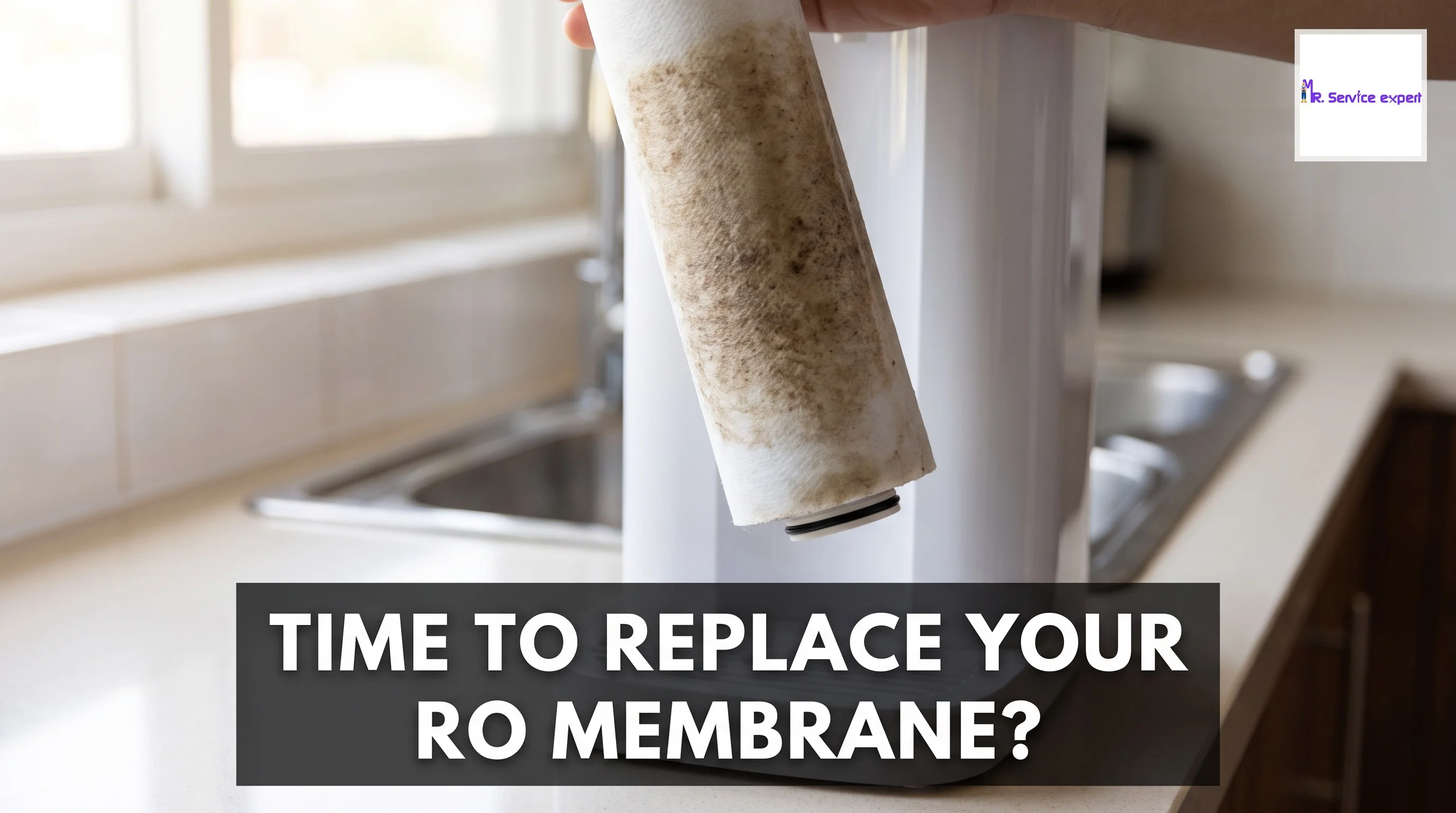
Professional RO membrane replacement typically takes 45 minutes to 90 minutes depending on system complexity and technician experience. The process begins with system shutdown and pressure relief, followed by draining the storage tank and disconnecting relevant tubing. The membrane housing unscrews from the system, allowing removal of the old membrane which often appears brown or blackened from accumulated contaminants.
Before installing the new membrane, conscientious technicians clean the housing thoroughly, removing any sediment or biofilm. They inspect housing O-rings for damage, replacing them if necessary to prevent leaks. The new membrane, usually shipped in protective packaging with preservative solution, is carefully inserted ensuring proper orientation. After reassembly, the system undergoes thorough flushing, typically running 20 to 30 liters to waste before the water becomes suitable for consumption.
Membrane costs vary considerably based on brand, capacity, and specifications. Standard 75 GPD membranes cost between 800 and 1500 rupees, while higher-capacity 100 GPD versions range from 1200 to 2200 rupees. Premium membranes with enhanced rejection capabilities or specialized coatings command prices between 1800 and 3000 rupees. Labor charges add another 300 to 800 rupees depending on your location and service provider.
The RO membrane serves as the cornerstone of your water purification system, removing up to 99% of dissolved solids, heavy metals, and contaminants from your drinking water. Learn more about how this semi-permeable barrier works and why recognizing early warning signs of membrane degradation is essential for maintaining water quality. Explore further into maintenance schedules, performance indicators, and expert recommendations that help you determine the optimal replacement timeline. Stay informed about the latest advances in membrane technology and discover how regular monitoring can extend your purifier's lifespan while ensuring your family's health and safety.
Related Blogs
- How to Maintain Your Vacuum Cleaner for Long-Lasting Performance
- Front Load vs Top Load Washing Machine: Repair & Maintenance Differences
- Refrigerator Maintenance Checklist: Extend Your Fridge's Lifespan
- Air Purifier Filter Replacement: When and How Often?
- LED TV Screen Issues: Common Problems and Repair Solutions