
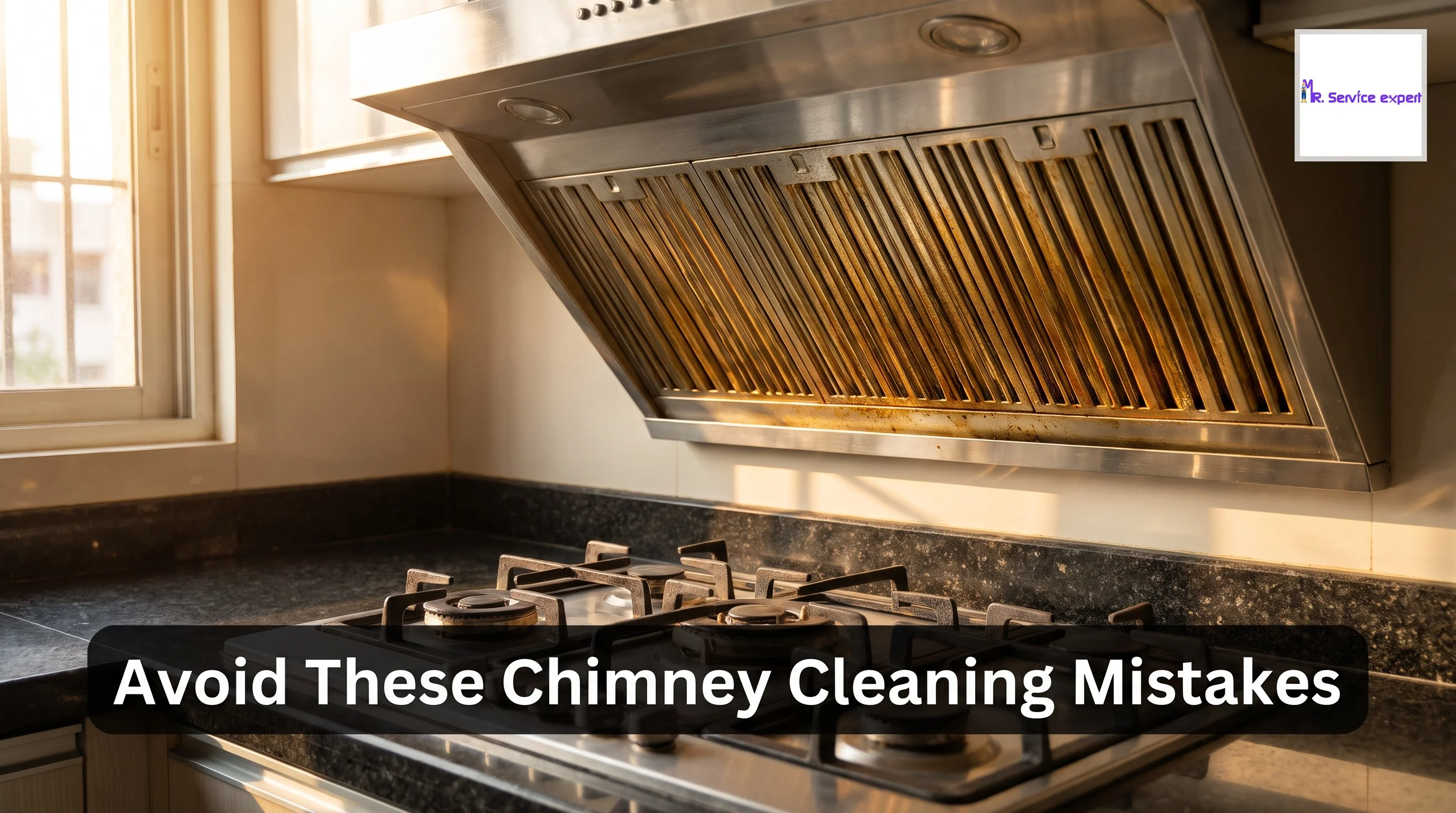
Common Kitchen Chimney Cleaning Mistakes
Your kitchen chimney works tirelessly every day, pulling smoke, grease, and odors out of your cooking space. But despite its importance, most homeowners make serious kitchen chimney cleaning mistakes that reduce efficiency and shorten the appliance's lifespan. Whether you scrub too hard, use the wrong cleaning products, or completely ignore certain components, these errors can cost you thousands in repairs or replacements. Understanding proper chimney filter care is not just about keeping your kitchen fresh—it's about protecting your investment and ensuring your family breathes cleaner air.
Indian kitchens are particularly demanding on chimney systems. With our love for tadkas, deep-fried snacks, and aromatic masala cooking, chimneys face heavy grease accumulation daily. A poorly maintained chimney doesn't just smell bad or look dirty. It creates fire hazards, increases electricity consumption, and eventually breaks down completely. The frustrating part is that most damage comes from well-intentioned cleaning efforts gone wrong. People think they're caring for their appliance when they're actually harming it.
This comprehensive guide will walk you through the most common kitchen chimney cleaning mistakes that Indian homeowners make. You'll discover why certain cleaning methods damage expensive components, how improper filter handling reduces suction power, and which household products should never touch your chimney. More importantly, you'll learn the correct techniques that professional technicians use to maintain chimneys for optimal performance.
The information shared here comes from years of service experience across Indian households. These aren't theoretical problems—they're real issues that cause actual damage every single day. From Mumbai apartments to Delhi homes, from Bangalore villas to Pune flats, the same preventable mistakes keep happening. By the end of this article, you'll know exactly how to avoid them and keep your chimney running efficiently for many years.
Ready to stop making these costly errors? Let's explore the most damaging kitchen chimney cleaning mistakes and learn the proper chimney filter care techniques that actually work.
Using Harsh Chemical Cleaners on Filters
One of the most destructive kitchen chimney cleaning mistakes involves using aggressive chemical cleaners on delicate filter components. Many homeowners reach for strong bathroom cleaners, acidic toilet bowl products, or industrial degreasers thinking these will cut through kitchen grease faster. This approach backfires spectacularly. Baffle filters made of stainless steel can withstand some chemicals, but cassette filters with their mesh construction get severely damaged by harsh substances.
Acidic cleaners corrode the protective coating on aluminum filters. Once this coating breaks down, the filter oxidizes rapidly and loses structural integrity. You'll notice discoloration first—the shiny silver turns dull gray or develops dark patches. Then small holes appear in the mesh. Eventually the entire filter becomes so weakened it tears during normal cleaning. Replacing these filters costs between 800 to 3,000 rupees depending on your chimney model, money wasted because of improper cleaning products.
Alkaline cleaners present different problems. They leave behind residue that actually attracts more grease. The filter might look clean immediately after washing, but within days it becomes stickier than before. This residue also interferes with the filter's ability to trap grease particles, reducing suction efficiency. Your chimney motor works harder trying to compensate, increasing electricity bills and shortening motor life.
The correct approach uses mild dish soap or specialized chimney cleaning solutions. Mix warm water with a few drops of regular dishwashing liquid. This combination cuts through most cooking grease without damaging filter materials. For stubborn buildup, add two tablespoons of baking soda to the solution. Baking soda provides gentle abrasive action and natural degreasing properties without chemical aggression.
Soak filters for thirty to forty-five minutes rather than scrubbing immediately. The soaking time does most of the work, softening grease so it releases easily. After soaking, use a soft brush or old toothbrush to gently work on remaining deposits. Never use steel wool, metal scrapers, or abrasive scrubbing pads on filters. These tools scratch surfaces, creating tiny grooves where grease accumulates more stubbornly in future. Professional kitchen chimney service teams always emphasize gentle cleaning methods over aggressive scrubbing.
Cleaning Filters Too Infrequently or Too Often
Finding the right cleaning frequency sounds simple but represents a major category of kitchen chimney cleaning mistakes. Some households go months without touching their filters, while others wash them every few days. Both extremes cause problems. The ideal cleaning schedule depends on your cooking habits, the type of food you prepare, and your chimney filter type.
Cleaning filters too rarely allows grease to harden into cement-like deposits. Fresh cooking grease is relatively soft and dissolves easily in soapy water. After several weeks, that same grease oxidizes and polymerizes into tough, sticky tar. This hardened grease cannot be removed without aggressive scrubbing that damages the filter material. The buildup also restricts airflow significantly, forcing the motor to work at maximum capacity constantly. This overwork situation reduces motor lifespan by half or more.
Fire risk increases dramatically with heavy grease accumulation. The grease itself is flammable, and being positioned directly above cooking flames makes it a serious hazard. Kitchen fires starting in chimneys have become increasingly common in Indian cities. Most happen not because of electrical faults but because accumulated grease ignites during high-heat cooking. A well-maintained filter prevents this dangerous scenario entirely.
On the opposite end, excessive cleaning creates its own problems. Washing baffle or cassette filters more than once weekly removes protective oils from metal surfaces. These natural oils actually help prevent rust and corrosion. Constant washing and drying cycles stress the filter materials, causing premature wear. Filters should last five to seven years with proper chimney filter care, but over-cleaning reduces this lifespan to two or three years.
The recommended cleaning schedule varies by filter type. Baffle filters handling heavy Indian cooking should be cleaned every two to three weeks. Cassette filters require weekly attention because their mesh structure clogs faster. Charcoal filters cannot be washed at all—they need replacement every six months regardless of visible condition. If you cook multiple times daily with lots of oil and spices, increase cleaning frequency slightly. For lighter cooking households, monthly cleaning might suffice.
Watch for visual and performance indicators rather than following rigid schedules. If you notice reduced suction, increased noise levels, or visible grease dripping from filters, clean immediately even if your scheduled time hasn't arrived. Conversely, if filters still look relatively clean at the scheduled time, you can extend another week. Consulting a kitchen chimney technician during annual maintenance helps establish the optimal cleaning rhythm for your specific situation.
Improper Filter Drying Techniques
After washing comes another critical phase where common kitchen chimney cleaning mistakes occur—drying the filters. Many people rush this step, reinstalling damp filters because they need to cook dinner. Others use methods that damage filter materials or promote rust formation. Proper drying matters as much as proper washing for effective chimney filter care.
Installing wet or damp filters causes multiple problems. Water droplets mix with new cooking grease, creating an emulsion that's even harder to clean next time. This greasy water also drips down into the motor housing, where it damages electrical components and bearings. Motor repairs typically cost 1,500 to 4,000 rupees, expenses easily avoided by ensuring filters are completely dry before reinstallation.
Moisture trapped in filter mesh promotes bacterial and mold growth. Within a few days, filters develop musty odors that get blown back into your kitchen during chimney operation. These biological contaminants also pose health risks, particularly for family members with respiratory sensitivities. The warm, greasy environment inside a chimney provides perfect conditions for microbial growth if moisture is present.
Some homeowners try speeding up drying with direct heat sources. Placing wet filters in direct sunlight seems logical, but intense heat warps metal components and degrades protective coatings. Using hair dryers or heat guns causes similar damage. The concentrated heat creates hot spots that bend baffle plates or melt the adhesive holding mesh layers together in cassette filters. These deformations prevent proper filter seating, creating gaps where unfiltered air bypasses the filtration system entirely.
The correct drying method requires patience. After washing, shake filters vigorously to remove excess water droplets. Place them vertically or at an angle on a clean towel in a well-ventilated area. Air circulation matters more than heat for effective drying. Position a regular room fan to blow air across the filters if you want faster drying without damage risk. This gentle air movement removes moisture within two to three hours without harmful heat exposure.
For baffle filters with their complex angular structure, ensure all water drains from the grooves. Tap the filter firmly against your palm while holding it at various angles to dislodge trapped water. Cassette filters with mesh layers need longer drying time because water hides between layers. Plan filter cleaning when you won't need the chimney for several hours, typically after completing day's cooking or early morning on weekends. Professional kitchen chimney service providers always emphasize complete drying as crucial for long-term filter health.
Neglecting the Chimney Interior and Ductwork
The most overlooked category of kitchen chimney cleaning mistakes involves ignoring everything except the visible filters. Homeowners diligently wash filters while completely neglecting the chimney's internal surfaces and ductwork. This selective cleaning allows grease to accumulate in hidden areas, reducing overall efficiency and creating maintenance problems that eventually require professional kitchen chimney repair.
The chimney interior—the metal housing behind and around the filters—collects grease vapor that escapes filtration. This vapor condenses on cool metal surfaces, forming sticky deposits. Over time, these deposits thicken into layers that restrict airflow even when filters are clean. You'll notice your chimney struggling to clear smoke despite freshly washed filters. The problem isn't the filters but the greasy tunnel they're trying to push air through.
Grease deposits inside the chimney also damage electrical components. The circuit board controlling motor speed sits inside the chimney housing on most models. Grease creeping across this board causes short circuits and component failures. Replacing a damaged control board costs 2,000 to 5,000 rupees depending on the chimney brand. This expense could be avoided with simple interior cleaning every few months.
The ductwork connecting your chimney to the outside vent presents even bigger challenges. Most Indian homes install chimneys with three to six feet of duct piping. This ductwork becomes coated with grease just like the chimney interior. The narrow duct diameter means even thin grease layers significantly reduce exhaust capacity. In extreme cases, ducts become completely blocked, making the chimney nearly useless despite a powerful motor.
Cleaning chimney interiors requires careful disassembly. Remove filters first, then use a damp cloth to wipe all visible interior surfaces. Don't spray water directly into the chimney as this damages electrical components. Instead, dampen your cleaning cloth with soapy water and wring it thoroughly before wiping. For stubborn interior grease, apply a small amount of degreasing solution to your cloth, not directly to chimney surfaces. Work systematically from top to bottom, paying special attention to corners and seams where grease accumulates thickest.
Ductwork cleaning is more complicated. Flexible aluminum ducts can be detached and soaked in degreasing solution, then flushed with water. Rigid stainless steel ducts require snake brushes designed specifically for duct cleaning. These specialized brushes cost 300 to 800 rupees at hardware stores and make duct maintenance much easier. Push the brush through the entire duct length several times to dislodge grease buildup.
For complex ductwork or if you're uncomfortable with internal cleaning, hiring a kitchen chimney service near me makes practical sense. Professional technicians have specialized equipment including inspection cameras, high-pressure air systems, and industrial degreasers safe for chimney interiors. They can clean components you cannot safely access yourself. Schedule professional interior cleaning annually even if you handle filter washing yourself throughout the year.
Using Wrong Water Temperature and Soaking Methods
Temperature matters significantly in effective chimney filter care, yet many kitchen chimney cleaning mistakes stem from using inappropriate water temperatures. The common assumption that hotter water cleans better doesn't always apply to chimney filters. Different filter materials respond differently to temperature, and using the wrong approach can set grease rather than remove it.
Extremely hot water—boiling or near-boiling—seems like the logical choice for cutting through kitchen grease. While hot water does help melt grease initially, it creates problems with certain filter types. Aluminum mesh filters expand when exposed to very hot water, then contract when cooling. This expansion-contraction cycle repeated over time loosens the mesh structure and weakens welded joints. After multiple hot water cleanings, you'll notice the mesh sagging or pulling away from the frame.
Conversely, cold water proves largely ineffective against cooking grease. Cold water cannot penetrate hardened grease deposits, making your scrubbing efforts exhausting and ineffective. You'll spend much more time and physical effort achieving mediocre results. The grease softens slightly on the surface but remains firmly attached underneath, returning quickly during your next cooking session.
Warm water between 40 to 50 degrees Celsius provides optimal cleaning performance without material damage. This temperature range melts most cooking greases effectively while remaining safe for all filter materials. The water feels comfortably hot to touch but doesn't require protective gloves. You can easily achieve this temperature by mixing hot tap water with cold water or heating water briefly on the stove.
Soaking technique matters as much as water temperature. Many people submerge filters in a bucket or sink for just ten to fifteen minutes, becoming impatient and starting to scrub before grease has properly softened. Effective soaking requires thirty to forty-five minutes minimum, longer for heavily soiled filters. This waiting time allows the soapy water solution to penetrate deep into grease layers, breaking down the molecular bonds that attach grease to metal surfaces.
During soaking, position filters completely submerged and lying flat rather than standing vertically. Flat positioning ensures all filter surfaces remain in contact with the cleaning solution. Adding a plate or similar weight on top keeps filters from floating and exposing portions to air. Every few minutes, gently agitate the water to circulate the degreasing solution through mesh layers and baffle grooves.
For extremely stubborn grease that survived initial soaking, try a second soak with fresh solution rather than aggressive scrubbing. The second round of chemical action often removes deposits that mechanical scrubbing cannot. This patient approach preserves filter integrity much better than forceful scrubbing. Professional kitchen chimney technician teams use this double-soak method routinely for heavily soiled commercial kitchen equipment, and it works equally well for residential chimneys.
Incorrect Filter Reassembly and Installation
The final stage where critical kitchen chimney cleaning mistakes occur is during filter reinstallation. After all the effort of proper cleaning and drying, incorrect reassembly undermines everything. Filters installed backward, incompletely seated, or with damaged clips allow unfiltered air to bypass the filtration system entirely, defeating the cleaning purpose.
Baffle filters have directional orientation that many homeowners miss. The angled baffles are designed to change airflow direction multiple times, using centrifugal force to separate grease particles. Installing baffles backward reverses this engineering, significantly reducing filtration efficiency. Look for directional arrows or indicators stamped into the filter frame showing proper installation direction. If your filters lack clear markers, remember that the baffles should angle downward and outward, directing grease toward collection points.
Many homeowners unknowingly damage their kitchen chimneys through improper cleaning techniques—from using harsh chemicals that corrode filters to neglecting baffle components that trap grease. Learn more about the specific mistakes that reduce your chimney's efficiency by up to 40% and discover the correct maintenance methods that professionals use to extend appliance lifespan and prevent costly repairs.