
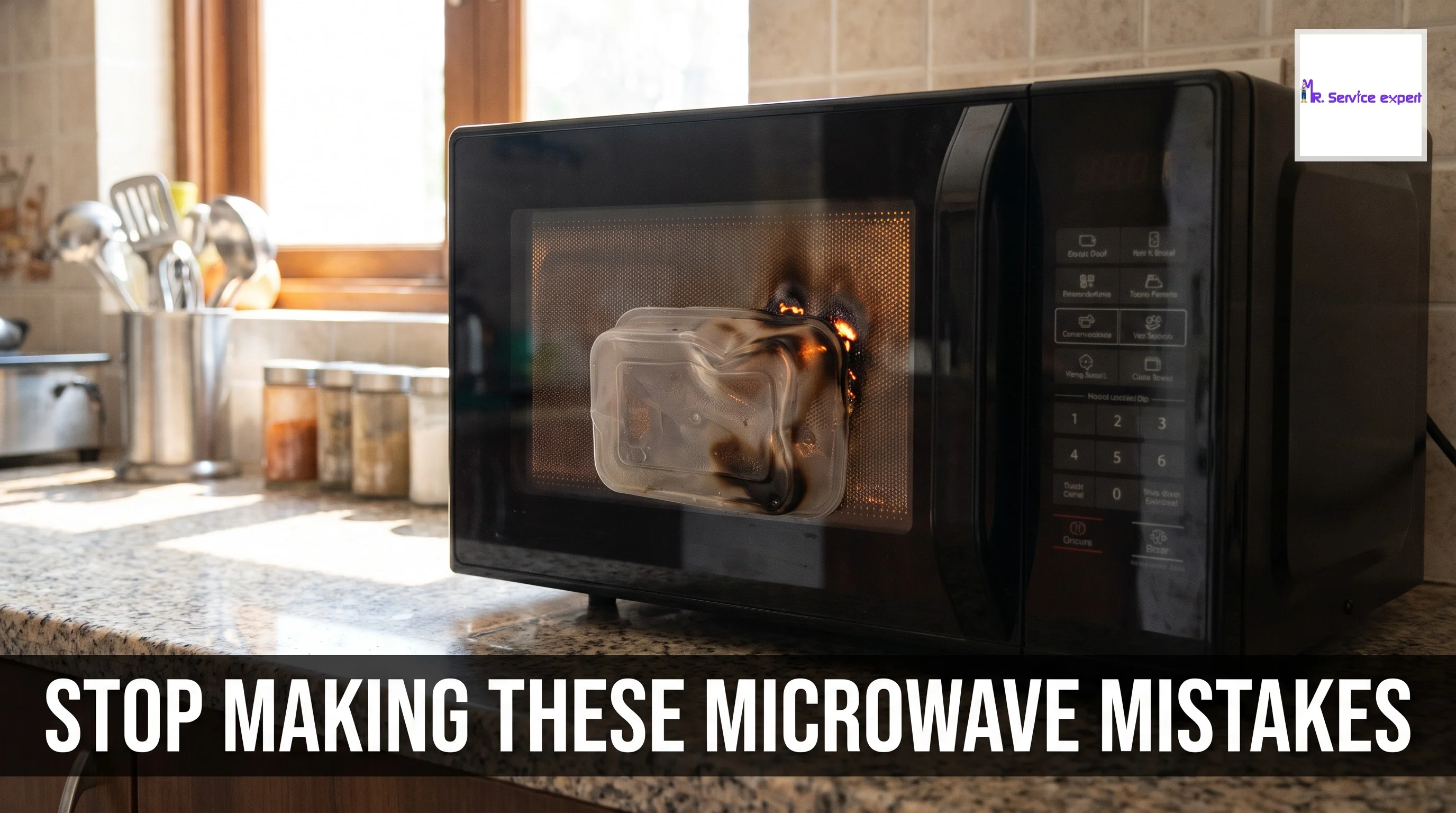
Common Microwave Oven Mistakes That Damage It
Your microwave oven is probably one of the most used appliances in your kitchen. From reheating last night's dal to making quick snacks, it saves you time every single day. But here's the thing many people don't realize until it's too late: the way you use your microwave can either extend its life or damage it beyond repair. Most of us are unknowingly making microwave oven mistakes that slowly harm this helpful appliance. Understanding proper microwave oven care tips can save you from expensive repairs or having to buy a replacement sooner than expected.
The truth is that microwaves are built to last for years when treated right. However, certain habits we've picked up over time can cause serious damage to the internal components, magnetron, turntable, and control panel. These mistakes range from what you put inside the microwave to how you clean it and even how much food you're heating at once. Whether you're a college student living alone or managing a busy household, knowing what not to do with your microwave is just as important as knowing what it can do.
In India, where microwaves have become increasingly common in urban and suburban homes alike, repair calls for damaged microwaves are on the rise. Many of these repairs could have been avoided with basic awareness. The good news is that most microwave oven mistakes are easy to fix once you know what they are. This article will walk you through the most common errors people make, explain why they're harmful, and provide practical microwave oven care tips to keep your appliance running smoothly for years.
By the end of this guide, you'll understand how to use your microwave safely, what materials to avoid, proper cleaning methods, and maintenance practices that prevent breakdowns. You'll also learn when it's time to call for microwave oven repair services instead of trying DIY fixes. Let's dive into the mistakes that might be shortening your microwave's lifespan right now.
Whether you bought your microwave last month or five years ago, these tips apply to all models and brands. Small changes in how you operate your appliance can make a huge difference in its performance and longevity.
Running Your Microwave Empty
One of the most damaging microwave oven mistakes people make is running the appliance when it's completely empty. This might happen accidentally when you hit start without placing food inside, or sometimes people do it thinking they're testing if it works. When there's nothing inside to absorb the microwave energy, all that electromagnetic radiation bounces around inside the cavity with nowhere to go. This concentrated energy gets absorbed by the magnetron itself, which is the component that generates microwaves.
The magnetron is the heart and most expensive part of your microwave. When it absorbs its own energy, it overheats rapidly and can burn out within seconds to minutes. A burnt magnetron means your microwave won't heat anything anymore, and replacing it often costs nearly as much as buying a new microwave. This is especially problematic in India where getting genuine spare parts can take time and finding a qualified Microwave oven technician in your area might be challenging.
The damage from running an empty microwave can also affect the waveguide cover, that small rectangular piece usually made of mica that covers the opening where microwaves enter the cooking chamber. When excessive energy bounces back, it can burn or crack this cover, leading to sparking and further damage. Always double check that you've placed something inside before pressing start.
If you need to test your microwave, always place a microwave safe glass of water inside first. This gives the microwave energy something to absorb safely. Even thirty seconds of empty operation can potentially cause harm, so make it a habit to visually confirm food or liquid is present before starting any cycle. This simple microwave oven care tip can add years to your appliance's life.
Children in the house should especially be educated about this rule. Curious kids might press buttons to see lights come on without understanding the internal damage they're causing. Keep the microwave at a height where young children can't reach it, or use child lock features if your model has one.
Using Metal and Aluminum Foil Inside
We've all heard that metal doesn't belong in microwaves, yet this remains one of the most common microwave oven mistakes. Metal reflects microwave energy instead of absorbing it, which causes arcing, those scary sparks you see flashing inside the chamber. Even small amounts of metal like the twist ties on bread bags, aluminum foil edges, or decorative gold trim on plates can cause this problem.
When metal creates arcs, it's not just a visual show. These sparks can permanently damage the interior coating of your microwave, burn the waveguide cover, and even damage the magnetron. The electromagnetic interference can also affect the electronic control board, leading to erratic behavior or complete failure of the appliance. Repair costs for arc damage can be substantial, often requiring microwave oven repairing services that replace multiple components.
Aluminum foil is particularly tricky because some people have successfully used small amounts to shield certain food parts from overcooking. However, this requires specific techniques and careful monitoring. For most home users, it's simply not worth the risk. The foil can easily touch the walls of the microwave chamber, creating an electrical path that causes intense sparking.
Metal utensils, steel bowls, plates with metallic paint, and even some ceramic dishes with metal glazing should never go in your microwave. Before heating any container, check it thoroughly for metallic elements. Some seemingly innocent items like Chinese takeout containers have metal handles, and disposable coffee cups might have metallic inks on their designs.
If you accidentally start your microwave with metal inside and see sparking, stop it immediately. Inspect the interior for any burn marks or damage to the waveguide cover. If you notice damage, contact a microwave oven service near me through online directories or local appliance repair services before using it again. Continuing to use a damaged microwave can be dangerous and cause further deterioration.
Heating Certain Food Items Improperly
The types of food you heat and how you heat them significantly impact your microwave's health. One major microwave oven mistake is heating foods with very low moisture content for extended periods. Items like bread, papads, or chapatis can become so dry they actually catch fire inside the microwave. Fires inside the chamber cause smoke damage, burnt interior surfaces, and can destroy the appliance completely.
Whole eggs with shells are another dangerous item. The steam builds up inside the shell with nowhere to escape, causing the egg to explode violently. This explosion creates a mess that's difficult to clean and can damage internal components with the force of the blast. The same applies to sealed containers, capped bottles, or any food item with a skin or membrane that traps steam.
Hot peppers and chilies release capsaicin vapors when heated, which can damage the interior plastic and create an unpleasant smell that lingers for weeks. Similarly, heating foods with high sugar content without proper covering can cause sugar splatters that harden on surfaces. These hardened spots can cause arcing if they contain minerals or can burn the next time you use the microwave.
Processed meats with casings, tomatoes without venting, and hot dogs without piercing can all explode or splatter extensively. Each explosion or splatter event makes cleaning harder and increases the risk of permanent staining or damage to components. Covering food properly with microwave safe lids or vented covers is an essential microwave oven care tip that prevents most of these issues.
When reheating rice or other starchy foods, always sprinkle some water on them first. This adds moisture that prevents overheating and potential burning. For items that need crisping, use microwave crisper pans designed for that purpose rather than trying to achieve crispness through extended cooking times that stress the magnetron.
Neglecting Proper Cleaning and Maintenance
Poor cleaning habits represent some of the most overlooked microwave oven mistakes that cause long term damage. Food splatters, grease buildup, and spills might seem harmless, but they actually absorb microwave energy during subsequent uses. This causes several problems including uneven heating, longer cooking times as energy gets wasted heating old food residue, and potential arcing when dried food particles carbonize and become conductive.
The buildup around the door seal is particularly problematic. Food particles prevent the door from sealing properly, which allows microwave radiation to leak and reduces heating efficiency. A compromised door seal also means the safety interlock system might not function correctly, creating potential hazards. Cleaning the seal with a damp cloth weekly should be part of your regular microwave oven care tips routine.
The turntable roller ring and support often get overlooked during cleaning. Food spills underneath can harden and prevent smooth rotation, causing the turntable to wobble or stop completely. This creates uneven heating patterns and puts stress on the turntable motor. Remove and wash these components regularly with warm soapy water.
Inside the microwave cavity, grease and food residue can actually catch fire during high power operations. The accumulation also leads to bad odors that transfer to your food. For effective cleaning without harsh chemicals, place a microwave safe bowl with water and lemon slices inside, heat on high for three minutes, let it steam for five more minutes, then wipe everything clean with a soft cloth. This steam cleaning method loosens stuck-on food without scratching surfaces.
Never use abrasive scrubbers, steel wool, or harsh chemical cleaners inside your microwave. These scratch the interior coating, which can lead to rust formation and create rough surfaces where food sticks more easily. If you encounter stubborn stains that won't come off with gentle cleaning, it's better to contact professionals than risk damaging the protective coating.
Overloading and Overusing Your Microwave
Many people treat their microwave as an invincible appliance that can handle anything, but overloading is a serious microwave oven mistake. Placing too much food inside at once forces the magnetron to work harder and longer to heat everything. This extended operation causes the magnetron to overheat, shortening its lifespan significantly. Most microwaves are designed for intermittent use, not continuous operation.
The typical household microwave magnetron has a duty cycle, meaning it needs rest periods between uses to cool down. Running it continuously for making large quantities of food or using it for meal after meal without breaks stresses the cooling system. The magnetron generates significant heat, and the built-in cooling fan needs time to dissipate this heat effectively. Overheating protection circuits might shut down the microwave temporarily, but repeated triggering of these protections indicates you're pushing the appliance beyond its limits.
Weight distribution also matters. Placing a heavy dish on one side of the turntable creates imbalanced rotation that strains the motor. Over time, this can damage the turntable mechanism or motor assembly. Distribute weight evenly and keep items within the maximum load capacity mentioned in your user manual, typically around two to three kilograms for standard models.
Using your microwave for inappropriate tasks is another form of overuse. Some people try sterilizing kitchen sponges, drying herbs, or even crafting projects. While a few of these might work occasionally, they often require extended run times that stress components unnecessarily. Microwaves are designed primarily for heating and cooking food with moisture content, not for drying operations.
The ventilation system needs adequate airflow to function properly. Blocking vents by placing items on top of the microwave or positioning it too close to walls prevents proper cooling. Maintain at least three to four inches of clearance on all ventilated sides. This simple microwave oven care tip prevents overheating damage and ensures efficient operation.
Using Wrong Containers and Cookware
The containers you use inside your microwave dramatically affect both your food quality and appliance safety. One of the most common microwave oven mistakes is assuming all plastic containers are microwave safe. Many plastic containers release harmful chemicals when heated and can melt or warp, leaving residue on your turntable and inside the cavity. Always check for the microwave safe symbol before using any plastic container.
Styrofoam or thermocol containers are particularly problematic. While some are labeled microwave safe for brief reheating, extended heating causes them to melt and release toxic fumes. These fumes can coat internal components and create lingering odors. Similarly, plastic storage bags not designed for microwave use can melt and cause difficult to clean messes.
Single-use containers like margarine tubs, yogurt cups, or takeout containers might survive one use but aren't designed for repeated microwave heating. They degrade quickly and can contaminate your food with chemicals. Invest in proper glass or ceramic microwave safe containers that last for years and don't pose health risks.
Paper products require careful selection too. While plain white paper towels and parchment paper are generally safe for short durations, recycled paper products, newspapers, and brown paper bags can contain materials that ignite at microwave temperatures. Printed paper towels with colored dyes might transfer chemicals to food when heated.
Crystal or hand-cut glass often contains lead and should never be microwaved. Similarly, some ceramic glazes contain metallic compounds that cause arcing. When trying a new container, test it by microwaving it empty alongside a cup of water for one minute. If the container gets hot while the water stays relatively cool, it's absorbing microwave energy and shouldn't be used.
For Indian cooking, avoid metal-trimmed serving bowls that are common in many households. Use microwave safe glass or ceramic dishes specifically designed for microwave use. These are readily available in Indian markets at reasonable prices and make cooking safer and more effective.
Ignoring Warning Signs and Delaying Repairs
Perhaps the biggest microwave oven mistake is ignoring signs that something is wrong. Microwaves give clear warning signals when they're developing problems, but many people continue using them until complete failure. Strange noises like humming, buzzing, or grinding indicate motor, magnetron, or fan issues that need immediate attention. Continuing to use a noisy microwave can transform a simple job into a complete replacement situation.
Visual signs like sparking, even brief flashes, should never be ignored. While occasional sparking from food splatter might seem minor, it indicates potential damage to the waveguide cover or interior coating. Each spark causes further deterioration. The waveguide cover is an inexpensive part that a technician can replace quickly, but delaying this repair can lead to magnetron damage costing thousands of rupees.
Unusual smells beyond normal food odors suggest electrical problems, burning insulation, or component failure. A burning plastic smell might indicate overheating electronic components or damaged wiring. These issues require immediate professional inspection for safety reasons. Disconnect the microwave and avoid using it until a qualified technician examines it.
Error codes or display malfunctions indicate control board issues. While sometimes these resolve with a power reset, recurring codes mean underlying problems need diagnosis. Modern microwaves have sophisticated electronics that benefit from professional troubleshooting rather than guesswork repairs.
Uneven heating or complete failure to heat suggests magnetron problems or power supply issues. Don't keep running the microwave hoping it will start working better. Each failed attempt stresses components further. When you notice heating problems, it's time to get professional evaluation.
Door issues deserve immediate attention. If the door doesn't close properly, has a damaged latch, or the seal appears worn, stop using the microwave. Microwave radiation leakage is a serious safety concern. Door alignment and seal integrity are critical safety features that only qualified technicians should repair.
The cost of timely repairs is almost always less than replacement costs or the damage caused by continued use of a malfunctioning appliance.
Discover how simple daily habits could be shortening your microwave's lifespan. From using the wrong containers to running it empty, learn which common mistakes cause permanent damage and how to avoid them. Explore further to protect your investment and ensure your appliance serves you efficiently for years to come.