
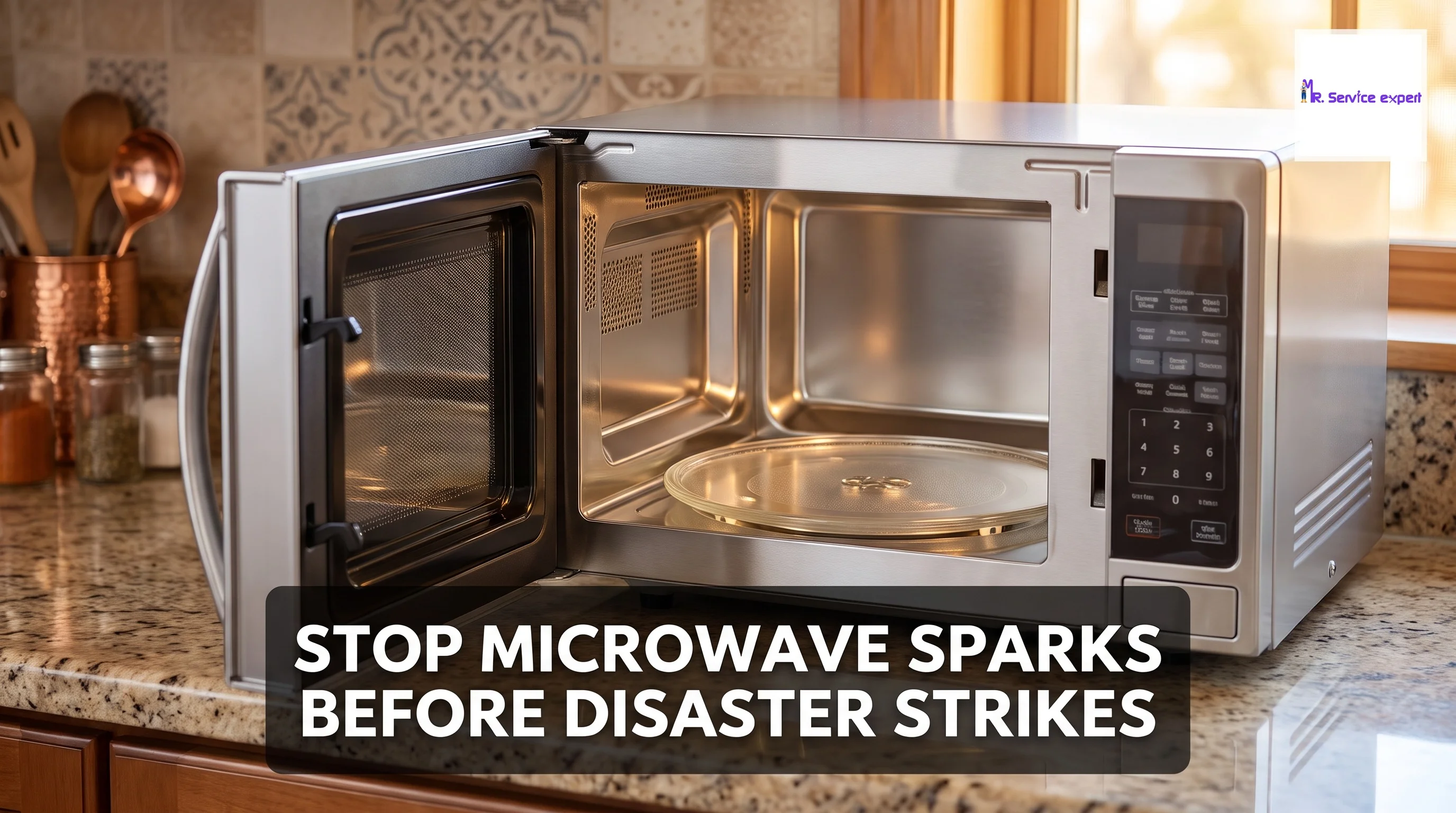
Microwave Oven Sparking? Here's What to Do
Few things are more alarming in your kitchen than seeing sparks fly inside your microwave oven while heating your morning coffee or reheating last night's dinner. If you have experienced microwave oven sparking, you are not alone. This common household issue affects thousands of Indian homes every year, causing concern about safety and appliance damage. Understanding why sparking occurs and knowing the proper steps for microwave oven troubleshooting can save you from potential hazards and expensive repairs.
Sparking in a microwave oven is not just a minor inconvenience. It can indicate serious problems that require immediate attention. The good news is that many sparking issues have simple causes that you can identify and sometimes fix yourself. However, some situations demand professional intervention from a qualified microwave oven technician to ensure your safety and the longevity of your appliance.
In this comprehensive guide, we will explore everything you need to know about microwave oven sparking. Whether you are dealing with occasional sparks or persistent arcing, this article will help you understand the root causes, assess the severity of the problem, and determine when to attempt DIY fixes versus when to call for professional microwave service. We will cover safety precautions, common culprits behind sparking, step-by-step troubleshooting methods, and preventive measures to keep your microwave functioning smoothly.
The Indian market has seen a massive increase in microwave oven adoption over the past decade, with over 15 million units sold annually as of 2026. With this widespread use comes the need for better awareness about common issues like sparking. Many households in cities like Mumbai, Delhi, Bangalore, and Chennai face similar problems, yet few know how to properly address them. This knowledge gap can lead to continued use of faulty appliances, creating fire hazards and health risks.
By the end of this article, you will have a clear understanding of how to respond when your microwave starts sparking, what immediate steps to take, and how to prevent future occurrences. Whether you need microwave oven repair services or can resolve the issue independently, you will be equipped with the knowledge to make informed decisions about your appliance's safety and functionality.
Understanding Why Microwave Ovens Spark
Microwave ovens work by generating electromagnetic waves that cause water molecules in food to vibrate rapidly, producing heat. This process normally occurs without any visible electrical discharge. However, when certain conditions arise, these microwaves can create electrical arcs that appear as sparks or flashes of light inside the cooking chamber.
Sparking happens when microwaves encounter metal or other reflective materials that concentrate the electromagnetic energy in one spot. This concentrated energy seeks a path to ground, creating an electrical arc similar to lightning. The sparks you see are actually small bolts of electricity jumping through the air inside your microwave. While the microwave's cavity is designed to contain these waves safely, various factors can disrupt this containment and cause sparking.
The intensity and frequency of sparking can vary significantly. Some users report occasional small sparks that disappear quickly, while others experience continuous arcing that produces loud popping sounds and burning smells. The severity often indicates different underlying problems. Minor sparking might suggest simple issues like food debris, while persistent heavy sparking could signal damaged components requiring professional microwave oven fixing.
Understanding the science behind microwave operation helps explain why certain materials cause problems. The metal walls of the microwave are specifically designed to reflect microwaves back into the food. However, when sharp edges, damaged areas, or inappropriate materials are present, they can create hot spots where electrical discharge occurs. This discharge not only creates the visible spark but can also damage the magnetron, the expensive component that generates microwaves.
In the Indian context, where voltage fluctuations are common in many areas, electrical issues can contribute to sparking problems. Power surges can damage internal components, making the microwave more susceptible to arcing. Additionally, the high humidity levels in coastal cities and during monsoon season can affect the appliance's electrical systems, potentially leading to moisture-related sparking issues.
Common Causes of Microwave Oven Sparking
Metal Objects Inside the Microwave
The most frequent cause of microwave oven sparking involves metal objects accidentally placed inside the cooking chamber. This includes aluminum foil, metal utensils, plates with metallic trim, takeout containers with metal handles, and even twist ties on bread bags. When microwaves hit metal, they cause electrons to move rapidly across the surface, creating electrical charges that discharge as sparks.
Many Indian households use steel containers for storage, and sometimes these accidentally end up in the microwave. Even small amounts of metal, such as the gold or silver decorative borders on traditional dinner plates, can cause sparking. Metal racks that come with convection microwaves are designed specifically for that purpose, but regular metal objects should never be used.
Food particles containing trace metals can also cause issues. For example, some processed foods contain mineral supplements that might spark. Additionally, recycled paper products sometimes contain tiny metal fragments that can create small sparks when heated.
Damaged Waveguide Cover
The waveguide cover is a rectangular or square piece of mica or plastic located on the side wall or ceiling of the microwave cavity. This component protects the magnetron antenna from food particles and grease while allowing microwaves to pass through. When this cover becomes dirty, burnt, or damaged, it can cause significant sparking.
Over time, food splatters accumulate on the waveguide cover, especially when users do not cover dishes while heating. These deposits can char and carbonize, creating conductive paths that allow electrical arcing. In severe cases, the cover itself may burn through, exposing the magnetron antenna and causing dangerous sparking. This is one of the most common issues requiring professional repair in Indian households, particularly where heavily spiced and oily foods are regularly heated.
A damaged waveguide cover often produces sparks in a specific location inside the microwave, usually near where the cover is positioned. You might also notice burn marks or holes in the cover itself. This component is relatively inexpensive and can be replaced, but the job is best left to professionals who understand the proper procedure.
Worn or Damaged Interior Paint
The interior walls of a microwave are coated with special paint designed to reflect microwaves efficiently. When this paint chips, peels, or becomes damaged, it exposes the metal underneath. These exposed areas can develop rust, especially in humid environments common throughout India during monsoon months. Rust and exposed metal create points where electrical arcing can occur.
Paint damage typically results from normal wear and tear, aggressive cleaning with abrasive materials, or impact from containers. Once the protective coating is compromised, the problem tends to worsen quickly as moisture and food particles penetrate the damaged area. Small paint chips can often be repaired with special microwave-safe paint, but extensive damage may require professional assessment.
Areas where sparking occurs due to paint damage usually show visible deterioration. You might see blackened spots, bubbling paint, or obvious rust patches. These issues require prompt attention because continued use can damage the magnetron and other expensive components.
Faulty Stirrer or Turntable Components
Many microwave models include a stirrer fan located behind the waveguide cover or use a rotating turntable to distribute microwaves evenly. If the stirrer becomes damaged, bent, or coated with grease, it can cause sparking. Similarly, issues with the turntable motor, roller guide, or support can create problems.
The stirrer fan is a metal component that rotates to spread microwaves throughout the cavity. When it accumulates grease or gets damaged, it can create hot spots and sparking. The turntable components, while not directly involved in microwave generation, can cause sparking if metal parts become exposed or damaged.
Rack and Accessory Issues
Microwave ovens with convection features come with metal racks designed for oven mode. Using these racks during microwave mode can cause severe sparking. The confusion between modes is common, especially among new users who may not fully understand their appliance's different functions.
Additionally, damaged or bent racks can cause problems even when used correctly. Sharp edges or points on racks can concentrate electromagnetic energy and create arcing. Always ensure you are using the correct accessories for the selected cooking mode.
Immediate Safety Steps When Sparking Occurs
When you notice microwave oven sparking, your immediate response is crucial for safety. The first and most important step is to stop the microwave immediately by pressing the stop or cancel button. Do not open the door while sparking is occurring, as this can cause the arc to jump outside the cavity. Once the microwave has stopped, the sparking should cease within a second or two.
After stopping the microwave, unplug it from the electrical outlet. This ensures no power flows to the appliance while you investigate the problem. Leaving a sparking microwave plugged in poses fire risks and could cause further damage to internal components. If the plug is difficult to reach or if you feel unsafe approaching the appliance while it is sparking, switch off the circuit breaker for that outlet instead.
Allow the microwave to cool completely before opening the door. Sparking can heat the interior quickly, and hot surfaces could cause burns. Wait at least ten to fifteen minutes before proceeding with any inspection. During this cooling period, ensure good ventilation in your kitchen by opening windows or turning on exhaust fans, especially if you noticed any burning smells.
Once cooled, carefully open the door and inspect the interior without touching any components. Look for obvious problems like metal objects, food debris, or visible damage. Use a flashlight to check all surfaces, including the ceiling, walls, and around the door seal. Document what you find, as this information will be valuable if you need to contact a professional technician.
Do not attempt to use the microwave again until you have identified and resolved the cause of sparking. Continued operation of a sparking microwave can lead to fire, damage to the magnetron, or complete appliance failure. If you cannot immediately identify the problem, keep the microwave unplugged and arrange for professional service as soon as possible.
Step-by-Step Microwave Oven Troubleshooting Guide
Inspection for Metal Objects
Begin your microwave oven troubleshooting by thoroughly checking for any metal items inside the cavity. Remove the turntable and roller guide to inspect underneath. Check for fallen twist ties, staples from food packaging, or small pieces of aluminum foil that might have adhered to the walls or floor. Even tiny metal fragments can cause sparking.
Examine any containers or dishes that were inside when sparking occurred. Look for metallic paint, gold or silver trim, or metal handles. Some ceramic and glass dishes have metallic elements that are not immediately obvious. If you find metal objects, remove them, clean the interior thoroughly, and test the microwave with a microwave-safe container of water.
Checking the Waveguide Cover
Locate the waveguide cover in your microwave. This is typically a rectangular or square panel on the right side wall or ceiling of the cavity. Inspect it carefully for signs of damage, burning, or accumulated grease. If the cover appears charred, has holes, or shows obvious damage, it needs replacement.
For dirty but intact covers, you can attempt careful cleaning. First, check your user manual to confirm the cover is removable on your model. Some covers can be gently pried off with a flat tool, while others are permanently installed. If removable, take it out and wash with warm soapy water, then dry completely before reinstalling. For fixed covers, clean in place with a damp cloth and mild detergent.
Replacement waveguide covers are model-specific and typically cost between INR 150 to INR 500 in India. You can purchase them from appliance parts dealers or online retailers. Installation is straightforward for some models but may require a professional technician for others, especially if you need to access components behind the cover.
Examining Interior Paint Condition
Inspect all interior surfaces for paint damage, chips, or rust spots. Pay special attention to areas where you noticed sparking. Small paint chips exposing bare metal are common culprits. If you find minor damage, you can purchase microwave cavity paint from hardware stores or online suppliers.
To repair small paint chips, first ensure the area is completely clean and dry. Remove any rust with fine sandpaper, then wipe clean. Apply microwave-safe cavity paint according to the manufacturer's instructions, usually in thin, even coats. Allow proper drying time before using the microwave. This DIY repair works for small spots but extensive damage requires professional fixing.
Testing After Cleaning
After addressing obvious issues, perform a test run with just a microwave-safe cup of water. Place the cup in the center of the turntable and heat on high for one minute. Stand back and observe through the door window. If sparking recurs without any food or containers besides the water, the problem lies with internal components and requires professional attention.
If the test passes without sparking, gradually return to normal use while remaining vigilant. Start with simple heating tasks and avoid the previous conditions that caused sparking. Monitor the microwave closely during the first few uses to ensure the problem has been resolved.
When to Call a Professional Microwave Oven Technician
While some sparking issues can be resolved through basic troubleshooting, certain situations require professional expertise. Knowing when to seek help prevents further damage and ensures your safety. If sparking continues after you have removed metal objects and cleaned the interior, the problem likely involves internal components beyond DIY repair capabilities.
Persistent sparking accompanied by unusual sounds such as loud humming, buzzing, or popping indicates serious electrical issues. These symptoms suggest problems with the magnetron, high-voltage capacitor, or diode. These components carry dangerous electrical charges even when unplugged and should only be handled by trained professionals with proper equipment and knowledge.
Visible damage to the door, door seal, or latch mechanism requires professional assessment. The door seal prevents microwave radiation from escaping, and any compromise to this safety feature is serious. Similarly, if the door does not close properly or the latch appears damaged, do not use the microwave until a qualified technician inspects and repairs it.
When sparking occurs in multiple locations simultaneously or appears to come from behind the walls rather than inside the cavity, internal component failure is likely. This situation often indicates magnetron problems, waveguide issues, or high-voltage circuit failures. These repairs require specialized tools, genuine replacement parts, and technical expertise that only certified technicians possess.
For microwave ovens still under warranty, always contact the manufacturer's authorized service center rather than attempting repairs yourself. DIY repairs typically void warranties, leaving you responsible for future repair costs. Even for out-of-warranty appliances, professional service often proves more cost-effective than replacing damaged components due to improper repair attempts.
The cost of professional repair in India varies by city and issue complexity. Generally, diagnostic fees range from INR 200 to INR 500, while repair costs depend on required parts and labor. Magnetron replacement, one of the more expensive repairs, typically costs INR 2000 to INR 5000 including parts and labor. Waveguide cover replacement usually costs INR 500 to INR 1000, while paint touch-ups and minor repairs might cost INR 300 to INR 800.
Preventive Measures to Avoid Microwave Sparking
Prevention is always better than cure, especially with appliances where safety is paramount. Establishing good microwave usage habits significantly reduces the risk of sparking and extends your appliance's lifespan. First and foremost, always use microwave-safe containers. Glass, ceramic without metallic decoration, and microwave-safe plastic containers marked with appropriate symbols are your best choices.
Regular cleaning is essential to prevent food buildup that can lead to sparking. Wipe down the interior after each use, especially after heating foods that splatter. Pay particular attention to the ceiling, walls, and door seal. Use a damp cloth with mild detergent for routine cleaning, avoiding abrasive cleaners that can damage the interior paint. Clean the waveguide cover regularly to prevent grease accumulation.
Always cover food when heating to prevent splatters. Use microwave-safe covers, paper towels, or parchment paper to protect the interior. This simple practice significantly reduces cleaning needs and prevents food particles from carbonizing on surfaces. For foods prone to popping, like hot dogs or potatoes, pierce them before heating to release steam safely.
Inspect containers and dishes before placing them in the microwave. Check for metallic decorations, hidden metal components, or cracks that might contain metal repair compounds. When in doubt about a container's safety, perform a simple test: place the empty container in the microwave alongside a cup of water and heat for one minute. If the container becomes very hot while the water heats normally, it is not microwave-safe.
Maintain proper voltage supply by using a stabilizer in areas with frequent power fluctuations. This protects the microwave's electrical components from damage that can lead to sparking. Consider having your home's electrical wiring checked if you notice frequent voltage issues, as these can affect all your appliances.
Schedule annual professional maintenance, especially for heavily used microwaves. A trained technician can identify potential problems before they cause sparking or other issues. This preventive service typically costs INR 300 to INR 800 and can extend your appliance's life significantly while maintaining safe operation.
Keep a log of your microwave's performance, noting any unusual sounds, smells, or behavior. Early detection of problems allows for timely intervention before minor issues escalate into major repairs. If you notice declining performance, unusual noises, or other changes, arrange for professional inspection promptly.
Store your microwave in a dry, well-ventilated area away from direct water sources. Ensure adequate clearance around the appliance for proper air circulation, which prevents overheating. Follow the manufacturer's spacing recommendations, typically at least 3 inches on all vented sides.