
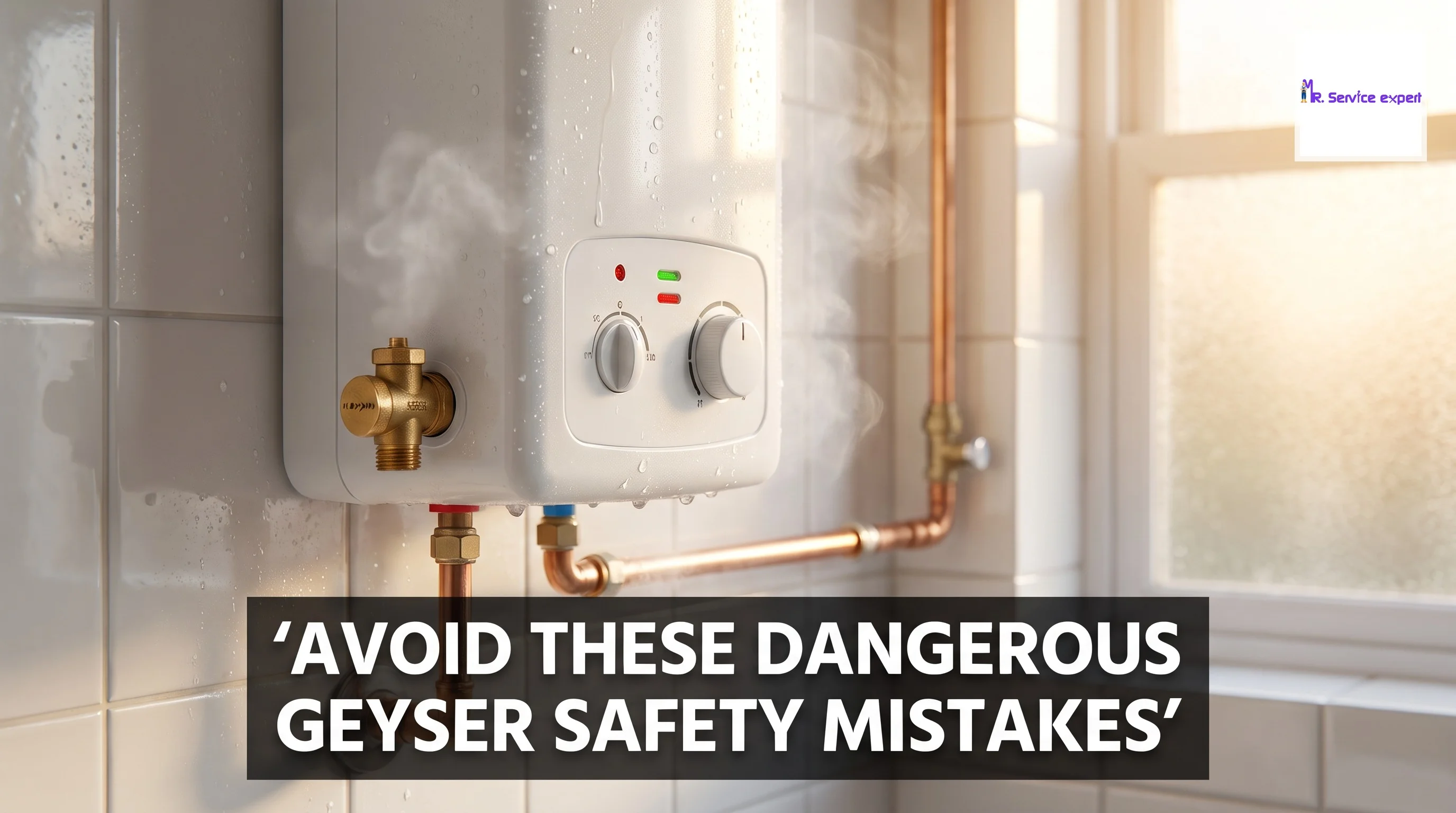
Common Geyser Safety Mistakes to Avoid
When winter arrives and the temperature drops, your geyser becomes one of the most essential appliances in your home. Every morning, you rely on it for that comforting hot shower before heading to work. Yet, many Indian homeowners overlook crucial geyser safety measures that could prevent serious accidents, property damage, and expensive repairs. Understanding geyser hazards and implementing proper geyser care tips is not just about maintaining your appliance; it is about protecting your family and your home from potentially life-threatening situations.
Statistics from insurance claims across India show that geyser-related accidents cause significant property damage and injuries every year. Most of these incidents could have been prevented with proper awareness and timely maintenance. Whether you live in a compact apartment in Mumbai or a spacious bungalow in Delhi, the same safety principles apply to your water heating system. The good news is that avoiding common mistakes does not require technical expertise or expensive investments.
This comprehensive guide will walk you through the most frequent geyser safety mistakes that homeowners make and provide you with practical solutions to address them. From installation errors to daily usage habits, we will cover every aspect that affects your geyser's safe operation. By the end of this article, you will have the knowledge to identify potential hazards in your setup and take corrective action before problems escalate.
Many people assume that once a geyser is installed, it requires minimal attention until something goes wrong. This mindset leads to neglected maintenance, ignored warning signs, and eventually, catastrophic failures. The truth is that regular attention to your water heater can extend its lifespan significantly while keeping your household safe. Understanding how water heaters fail and what triggers dangerous situations empowers you to take preventive measures.
Whether you have a storage geyser, an instant geyser, or a gas-powered water heater, the fundamental safety principles remain similar. Each type comes with specific risks and requirements, but the common thread is that human error and negligence cause most accidents. Let us explore these critical mistakes and learn how to create a safer environment in your home while ensuring your geyser operates efficiently for years to come.
Ignoring Professional Installation Requirements
One of the most dangerous mistakes homeowners make is attempting DIY installation or hiring unqualified individuals to set up their geysers. Professional installation is not just a recommendation; it is a critical safety requirement. When you skip proper installation procedures, you create a foundation for multiple problems that will surface later. Electrical connections require precise specifications, and water inlet and outlet pipes must be positioned correctly to prevent leaks and pressure buildup.
Many people try to save money by avoiding professional geyser service near me options and instead rely on general electricians or plumbers who lack specific water heater expertise. This approach often results in improper grounding, incorrect pressure relief valve installation, and faulty thermostat settings. These issues might not cause immediate problems, but they create time bombs waiting to explode when conditions align.
The electrical wiring for a geyser demands dedicated circuits with proper amperage ratings. In Indian homes, voltage fluctuations are common, and without appropriate stabilizers or surge protectors integrated during installation, your geyser faces constant stress. A qualified geyser technician understands these nuances and ensures that your electrical setup can handle the load while protecting the appliance from power surges.
Water pressure considerations are equally important during installation. Indian water supply systems vary significantly between municipal connections and overhead tank setups. The installation must account for local water pressure levels, and pressure-reducing valves should be installed where necessary. Without these considerations, excessive pressure can damage internal components, cause leaks, or even lead to tank ruptures.
Mounting height and location also play crucial roles in geyser safety. Installing a geyser too close to shower areas creates electrocution risks, while poor ventilation around the unit can lead to overheating. Professional installers follow manufacturer specifications and building codes to ensure adequate clearance and proper ventilation, something that amateur installations frequently overlook.
Neglecting Regular Maintenance Schedules
The second major mistake homeowners commit is treating their geyser as a fit-and-forget appliance. Regular maintenance is essential for safe operation, yet most people only call for geyser repair when something stops working. This reactive approach puts your family at risk and significantly shortens your appliance's lifespan. Preventive maintenance catches small issues before they become dangerous problems.
Sediment buildup inside the tank is a silent killer of water heaters. Indian water often contains high mineral content, leading to calcium and magnesium deposits accumulating at the tank bottom. These deposits act as insulators, forcing the heating element to work harder and longer to heat water. This overworking increases energy consumption, reduces efficiency, and creates hotspots that weaken the tank structure, potentially causing leaks or bursts.
Annual flushing of your geyser tank should be part of your maintenance routine. This process involves draining the tank completely to remove accumulated sediment. In areas with hard water, this might need to be done twice a year. Many homeowners skip this crucial maintenance step because they do not realize how much sediment accumulates or understand its consequences. A professional geyser repair service can perform this task efficiently and inspect internal components simultaneously.
The anode rod, also called the sacrificial rod, is another component that requires periodic inspection and replacement. This rod attracts corrosive elements in water, protecting the tank from rust. Once the anode rod corrodes completely, the tank itself begins to rust, leading to leaks and eventual failure. Most homeowners are unaware that this component exists, let alone that it needs replacement every three to five years depending on water quality.
Thermostat calibration is another overlooked maintenance aspect. Over time, thermostats can drift from their settings, causing water to heat beyond safe temperatures. Water heated above 60 degrees Celsius poses serious scalding risks, especially for children and elderly family members. Regular maintenance checks ensure your thermostat functions accurately and maintains water at safe temperatures.
Overlooking Pressure Relief Valve Testing
The pressure relief valve, often called the TPR valve, is your geyser's most important safety device. This valve prevents excessive pressure and temperature buildup inside the tank by releasing water when dangerous levels are reached. Despite its critical role, most homeowners never test their pressure relief valve, and many do not even know where it is located. This negligence is a serious geyser safety oversight.
The TPR valve should be tested every six months to ensure it operates correctly. Testing is simple: lift the valve's lever and allow water to discharge through the overflow pipe. If water flows freely and stops when you release the lever, the valve works properly. If no water flows, or if water continues dripping after testing, the valve needs replacement immediately. A malfunctioning pressure relief valve means your tank lacks its primary protection against catastrophic failure.
Ignoring a leaking pressure relief valve is another common mistake. Some homeowners notice water dripping from this valve and simply place a bucket underneath, thinking it is a minor nuisance. In reality, a leaking TPR valve indicates excessive pressure or temperature in your tank, both dangerous conditions. This leak is a warning sign that should prompt immediate professional inspection rather than temporary workarounds.
The discharge pipe connected to your pressure relief valve also requires attention. This pipe should run downward and terminate in a visible location where you can notice discharge. Some installations have this pipe ending in hidden areas or connected directly to drainage, making it impossible to detect valve operation. Proper geyser care tips include ensuring this discharge pipe remains unobstructed and visible so you can monitor your system's behavior.
In older geyser installations, pressure relief valves may be absent entirely or replaced with simple taps or plugs. This substitution is extremely dangerous and violates basic safety standards. If your geyser lacks a proper pressure relief valve, you should contact a qualified geyser technician immediately to have one installed. The cost of this component and installation is minimal compared to the risks you face without it.
Setting Incorrect Temperature Levels
Temperature management is a balancing act in geyser operation. Setting temperatures too high wastes energy and creates scalding risks, while setting them too low may not provide adequate hot water for your needs and can encourage bacterial growth. Many homeowners either leave temperature settings at factory defaults or adjust them based on trial and error without understanding the implications of their choices.
The ideal water temperature for most households falls between 50 to 55 degrees Celsius. This range provides comfortably hot water for bathing and household tasks while minimizing scalding risks and energy consumption. However, many geysers come with factory settings of 60 to 70 degrees Celsius, which manufacturers configure for maximum performance rather than optimal safety and efficiency. Adjusting your thermostat to appropriate levels is a simple yet effective geyser safety measure.
For households with young children or elderly members, temperature considerations become even more critical. Water at 60 degrees Celsius can cause third-degree burns in just three seconds of exposure. Reducing water temperature to 50 degrees Celsius extends this time to five minutes, providing a crucial safety margin. Installing anti-scald devices on taps and showerheads offers additional protection, especially in bathrooms used by vulnerable family members.
Some people increase their geyser temperature settings during winter, believing it provides better heating performance. While this approach delivers hotter water, it significantly increases geyser hazards. Higher temperatures accelerate corrosion inside the tank, stress heating elements, and waste considerable energy. A better approach is to use appropriate temperature settings year-round and simply adjust usage patterns during colder months.
Digital thermostats offer precise temperature control and display actual water temperature, making monitoring easier. If your geyser has a mechanical thermostat without temperature markings, consider upgrading to a digital model for better control. This upgrade pays for itself through improved energy efficiency while enhancing safety through accurate temperature management.
Ignoring Warning Signs and Strange Noises
Geysers communicate problems through various signs that many homeowners either ignore or attribute to normal operation. Strange noises, unusual smells, discolored water, and visible corrosion are all indicators that your appliance needs attention. Dismissing these warning signs as minor annoyances rather than serious concerns is a critical mistake that often leads to emergency situations.
Rumbling, popping, or banging sounds from your geyser typically indicate sediment buildup on the heating element or tank bottom. As water trapped beneath sediment layers boils, it creates these noises while forcing the element to overheat. This overheating accelerates element failure and creates dangerous hotspots in your tank. When you hear these sounds, schedule professional service to flush your tank and inspect internal components.
Hissing or sizzling noises often suggest water dripping onto hot surfaces, usually indicating leaks from connections or the tank itself. While small leaks might seem manageable, they worsen rapidly and can cause significant water damage to your property. Additionally, water and electricity combination creates electrocution risks. Any hissing sound from your geyser warrants immediate investigation by qualified professionals.
Rusty or discolored water flowing from your hot water taps signals internal tank corrosion. This discoloration means your tank's protective lining has failed and rust has begun forming. While this water is not necessarily dangerous for bathing, it indicates that your geyser is nearing the end of its useful life. Continuing to use a corroded tank risks sudden failure and flooding. When you notice rusty water, start planning for replacement while arranging for thorough inspection.
A rotten egg smell from your hot water points to bacterial growth in your tank, particularly if you have set your thermostat below 50 degrees Celsius. While not immediately dangerous to your appliance, this condition makes the water unsafe and unpleasant. Flushing the tank and temporarily raising the temperature to 60 degrees Celsius for a few hours typically resolves this issue. If the smell persists, you may need to replace the anode rod or treat the tank with hydrogen peroxide.
Improper Electrical Connections and Grounding
Electrical safety violations are among the most dangerous geyser mistakes, yet they remain surprisingly common in Indian households. Many installations use improper wiring, lack adequate grounding, or employ unsuitable switches and protection devices. These electrical shortcuts create serious electrocution risks and fire hazards that endanger your entire family.
Grounding, or earthing, is absolutely essential for geyser safety. The earth wire provides a safe path for electrical current in case of internal short circuits or element failures. Without proper grounding, any electrical fault in your geyser will energize the metal body and water, creating lethal electrocution risks when anyone touches the tap or comes in contact with the water stream. Surprisingly, many older installations and even some recent ones lack adequate grounding.
The common practice of using the water pipe as a ground connection is inadequate and dangerous. Modern plumbing often includes PVC or CPVC pipes that do not conduct electricity, making this method ineffective. Proper grounding requires a dedicated earth wire connected to a grounding rod or plate installed in the earth near your building's foundation. Every geyser installation must have this independent grounding system.
Circuit breakers and RCCB (Residual Current Circuit Breaker) devices protect against electrical faults and current leakage. Standard circuit breakers disconnect power during overload or short circuit conditions, while RCCBs detect even tiny current leakages and trip the circuit within milliseconds, preventing electrocution. Installing both types of protection provides comprehensive safety for your geyser circuit. Many homes rely only on standard fuses or MCBs without RCCB protection, leaving significant safety gaps.
Using appropriate wire gauge for your geyser circuit is another critical factor. Undersized wiring cannot handle the current draw, causing wires to overheat and potentially catch fire. Most geysers in India require 2.5 or 4 square millimeter wiring depending on capacity, but many installations use thinner wires to save costs. This penny-wise approach creates pound-foolish risks. Always ensure your geyser's electrical installation follows manufacturer specifications and local electrical codes.
Forgetting About Seasonal Maintenance and Shutdown
Many Indian households use geysers only during winter months and ignore them completely during summer. This seasonal usage pattern requires specific maintenance procedures that most homeowners overlook. Properly preparing your geyser for extended periods of inactivity and recommissioning it before the next season are important geyser care tips that prevent problems and extend appliance life.
Leaving water sitting in your tank for months during non-usage periods encourages bacterial growth and accelerates internal corrosion. The stagnant water creates an ideal environment for microorganisms and allows corrosive elements to attack tank surfaces without the protective flushing action of regular use. Before shutting down your geyser for summer, drain the tank completely and leave the drain valve slightly open to prevent moisture accumulation.
However, completely draining your tank also has downsides. Empty tanks can develop rust faster in humid climates, and dry heating elements may develop cracks. The best approach depends on your specific circumstances. In humid coastal areas, consider leaving the tank empty but opening it to air circulation. In drier regions, keeping the tank half full might be preferable. Consulting with a knowledgeable geyser repair service about your local conditions provides the best guidance.
Before restarting your geyser after extended shutdown, perform several checks. Inspect all connections for leaks, ensure the pressure relief valve operates freely, and verify that electrical connections remain secure. Fill the tank completely before switching on power to prevent dry firing, which damages heating elements. Running several tank-fulls of water through the system flushes out any sediment or bacterial growth that accumulated during the idle period.
In areas with year-round usage, seasonal maintenance still matters. Before winter when usage intensifies, schedule professional inspection to ensure your geyser can handle increased demand. Check that insulation remains intact, verify thermostat accuracy, and confirm that all safety devices function properly. This proactive approach prevents inconvenient breakdowns during peak usage periods.